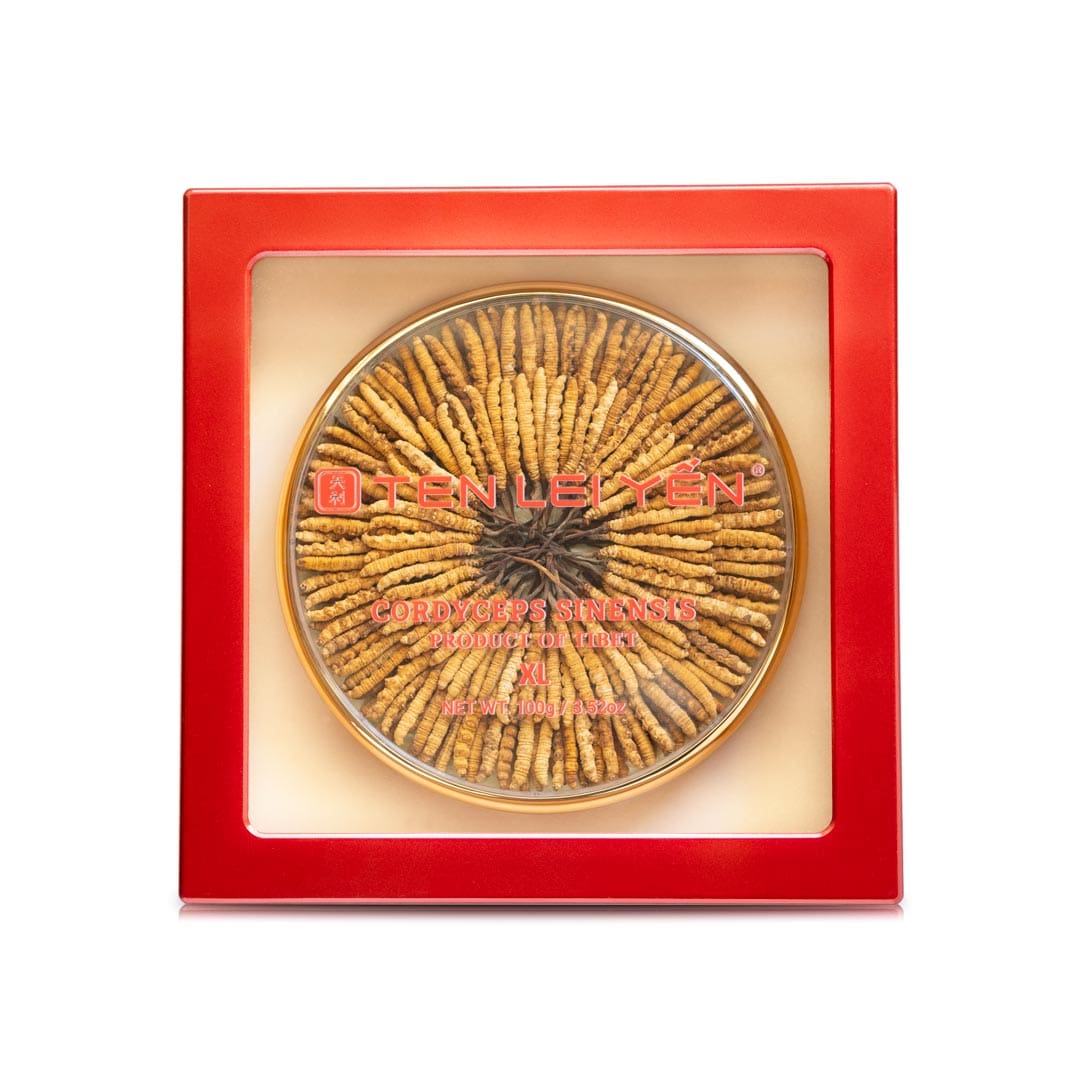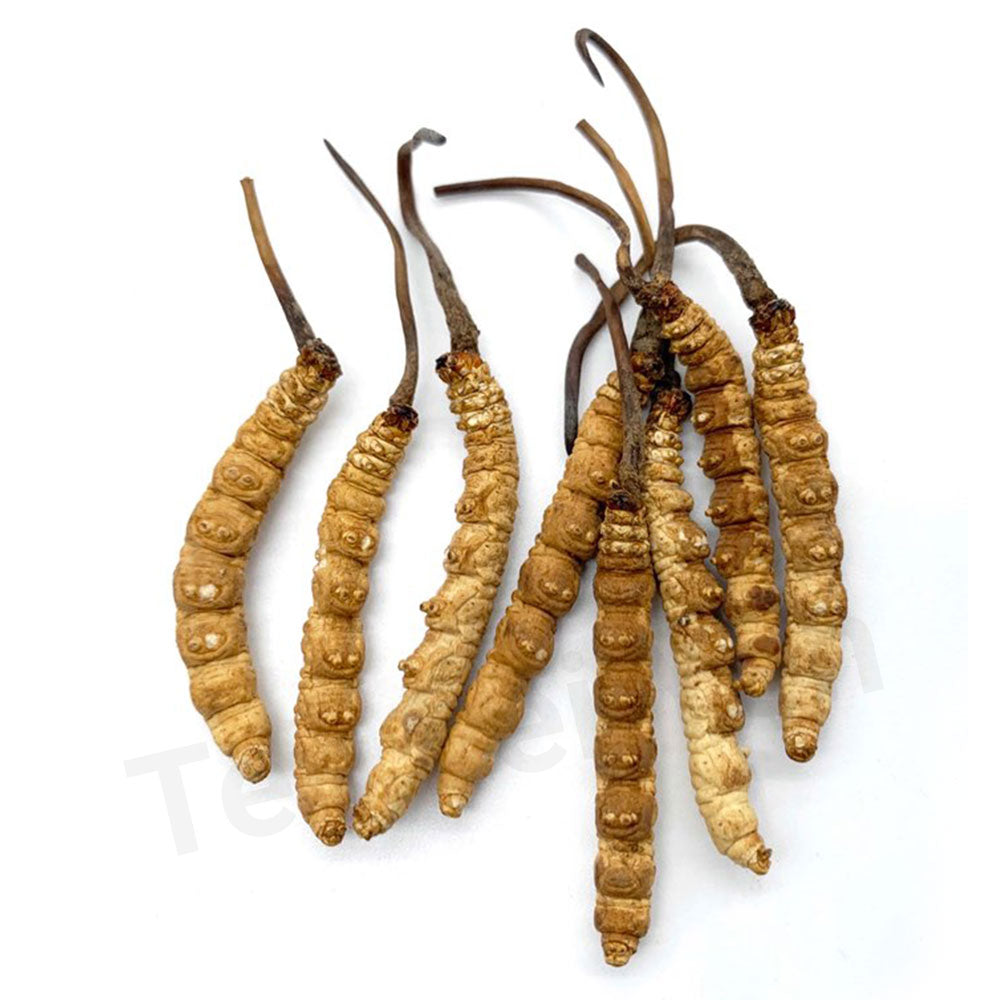
Cordyceps congee is a warm, savory rice porridge with a few whole cordyceps simmered into it. The method is simple: cook rice slowly with plenty of water or light stock until it breaks down into a creamy porridge, then add the rinsed cordyceps in the last 20-30 minutes so they soften gently. The cordyceps taste mild, earthy, and savory-umami, and they blend naturally into the bowl.
Key takeaways
- A comforting rice porridge with a few whole cordyceps simmered in for a mild, earthy depth.
- Rinse the dried cordyceps in cool water, then add them in the last 20-30 minutes so they soften gently.
- Use about 1 cup rice to 8-10 cups water or light stock, and simmer 1 to 1.5 hours until creamy.
- A couple of ginger slices and a little white pepper round it out; finish with scallion.
- Cordyceps tastes mild, earthy, and savory-umami — it folds right into congee.

Ingredients (serves 3-4)
- 1 cup white rice, rinsed
- 8-10 cups water or light, unsalted stock
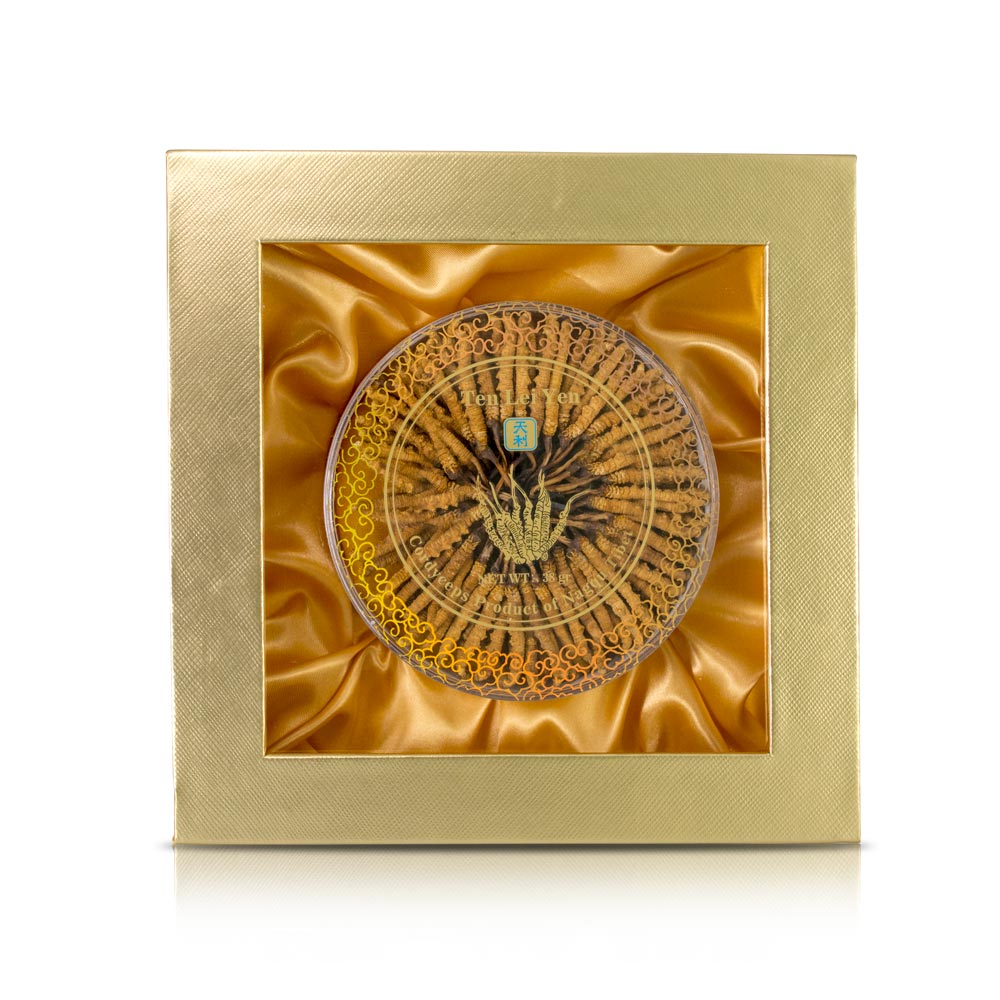
- 6-10 whole dried cordyceps pieces
- 2-3 thin slices fresh ginger
- Optional: about 300 g chicken or pork, for a heartier base
- Salt and white pepper, to taste; chopped scallion, to finish
Step by step
1. Rinse the cordyceps
Give the dried cordyceps a quick rinse in cool water to remove any surface dust. Set them aside. There is no need to soak them for long.
2. Start the congee
Combine the rinsed rice with the water or stock and the ginger in a large pot. If you are using chicken or pork, add it now. Bring to a boil, then lower to a gentle simmer.
3. Simmer until creamy
Cook, stirring now and then so the rice doesn't stick, for about 1 to 1.5 hours, until the grains break down and the porridge turns smooth and creamy. Add a little more hot water if it gets too thick.
4. Add the cordyceps
Drop in the rinsed cordyceps for the last 20-30 minutes of cooking so they soften and release their mild, earthy savor into the porridge.
5. Season and serve
Season with salt and a little white pepper. Ladle into bowls and finish with scallion. Serve hot.
Tips
- Eat the cordyceps. Once softened, the whole pieces are tender enough to eat right along with the congee.
- Ginger is a friend here. In a savory pot, a couple of ginger slices are classic and welcome.
- Make it your own. A plain rice base lets the cordyceps' earthy flavor come through; a chicken or pork base makes it heartier.
Want other ways to cook with cordyceps? Try our double-boiled cordyceps chicken soup or a simple cordyceps tea. Browse whole pieces in Wild Cordyceps and Cultivated Cordyceps.
FAQ
Do I need to soak cordyceps before making congee?
No. A quick rinse in cool water is enough. Adding them in the last 20-30 minutes lets them soften right in the porridge.
When should I add the cordyceps?
In the last 20-30 minutes of simmering, after the rice has already broken down into a creamy congee.
What does cordyceps taste like in congee?
Mild, earthy, and savory-umami. It adds gentle depth without overpowering the rice.
Can I make it without meat?
Yes. A plain rice-and-water or light vegetable-stock base is delicious and lets the cordyceps flavor stand out.