SOURCING | GRADES | PREPARATION
About Ten Lei Yen Edible Bird's Nest: Sourcing, Grades & How to Enjoy
Edible bird's nest has been treasured across Asia for centuries as a refined delicacy served at family gatherings and special occasions. This guide describes what edible bird's nest is, how Ten Lei Yen sources and prepares it, the grades we carry, and how the delicacy is traditionally enjoyed.
Key takeaways
- Edible bird's nest is formed from the saliva of swiftlets, which sets into delicate cup-shaped nests.
- Ten Lei Yen sources its nests from Indonesia and works directly with harvesters across the country's swiftlet regions.
- Nests are cleaned, sorted, and offered in a graded lineup: Blue Label, Red Label, and 5A.
- Dried nests are typically soaked, then gently double-boiled before serving.
What is edible bird's nest?
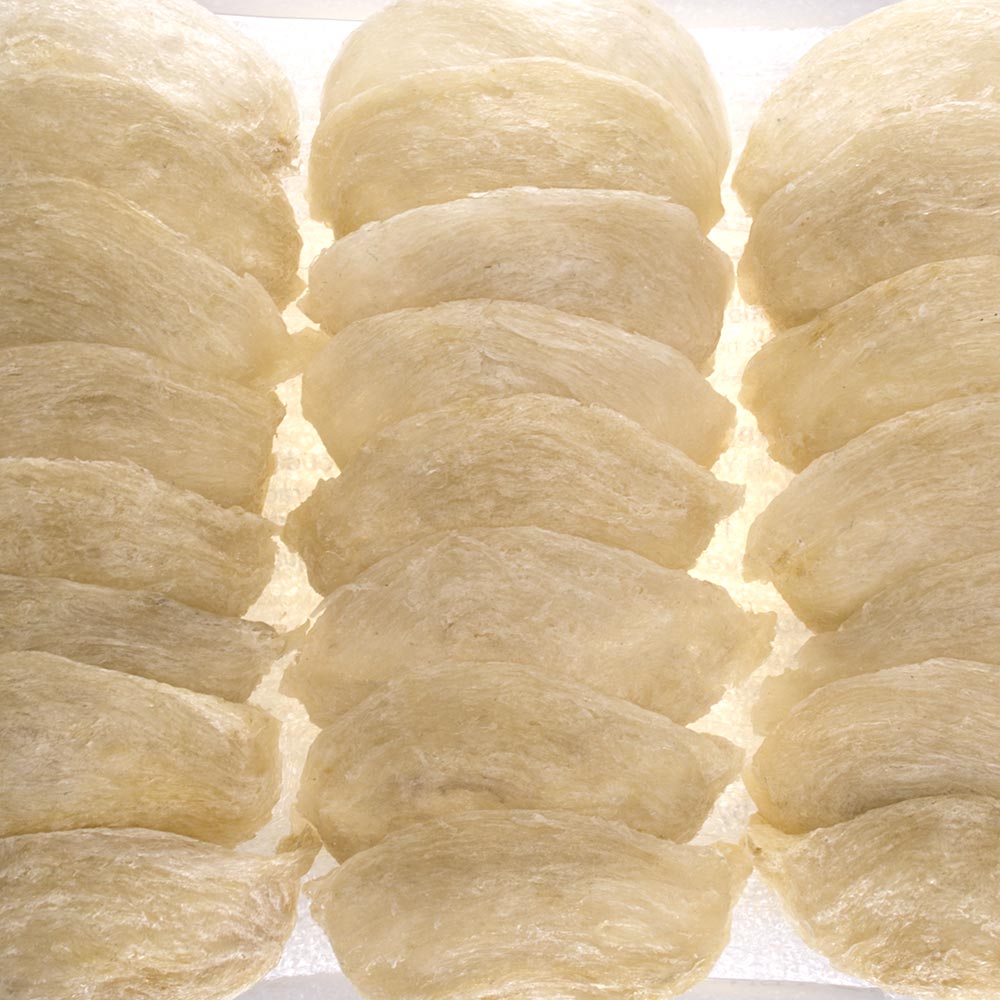
Edible bird's nest is made from the saliva of swiftlets, which hardens into small, cup-shaped nests. After the nests are collected, they are cleaned by hand to remove feathers and debris, then dried and sorted. The result is a light, translucent ingredient with a delicate texture that softens when soaked and cooked. It has long been regarded as a prized delicacy in Chinese culinary tradition.
Where Ten Lei Yen sources its nests
Ten Lei Yen sources its edible bird's nest from Indonesia, home to some of the most established swiftlet regions in the world. We work directly with harvesters, which keeps the supply chain short and helps us maintain visibility into where each nest comes from. Ten Lei Yen is a United States–based edible bird's nest retailer, and our focus is on careful selection and consistent quality from origin to shelf.
Cleaning, processing, and authenticity
Once harvested, nests are cleaned, inspected, and sorted by size, shape, and appearance. Every product is traceable to its source, so what is described on the label reflects what is in the package. This attention to cleaning and sorting is what produces a clean, presentable nest ready for the kitchen.
The Ten Lei Yen grade lineup
Ten Lei Yen organizes its own edible bird's nest into a clear set of grades, so you can choose the presentation that suits the occasion:
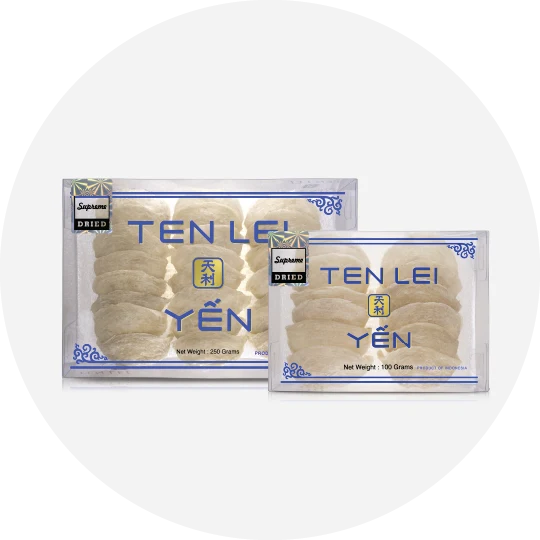
- Blue Label — an everyday grade for those new to bird's nest or cooking it regularly.
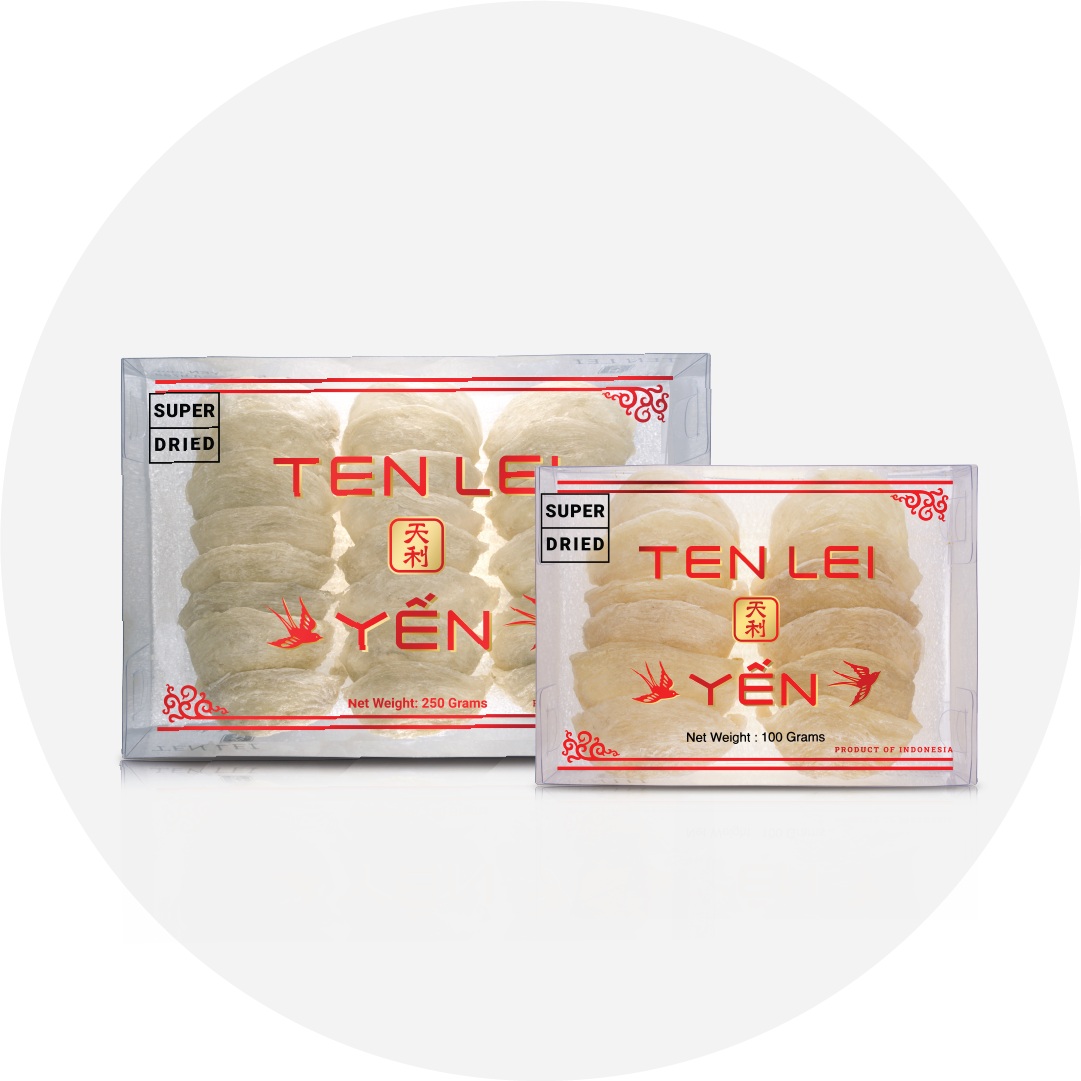
- Red Label — a step up in presentation, well suited to gifting and special meals.
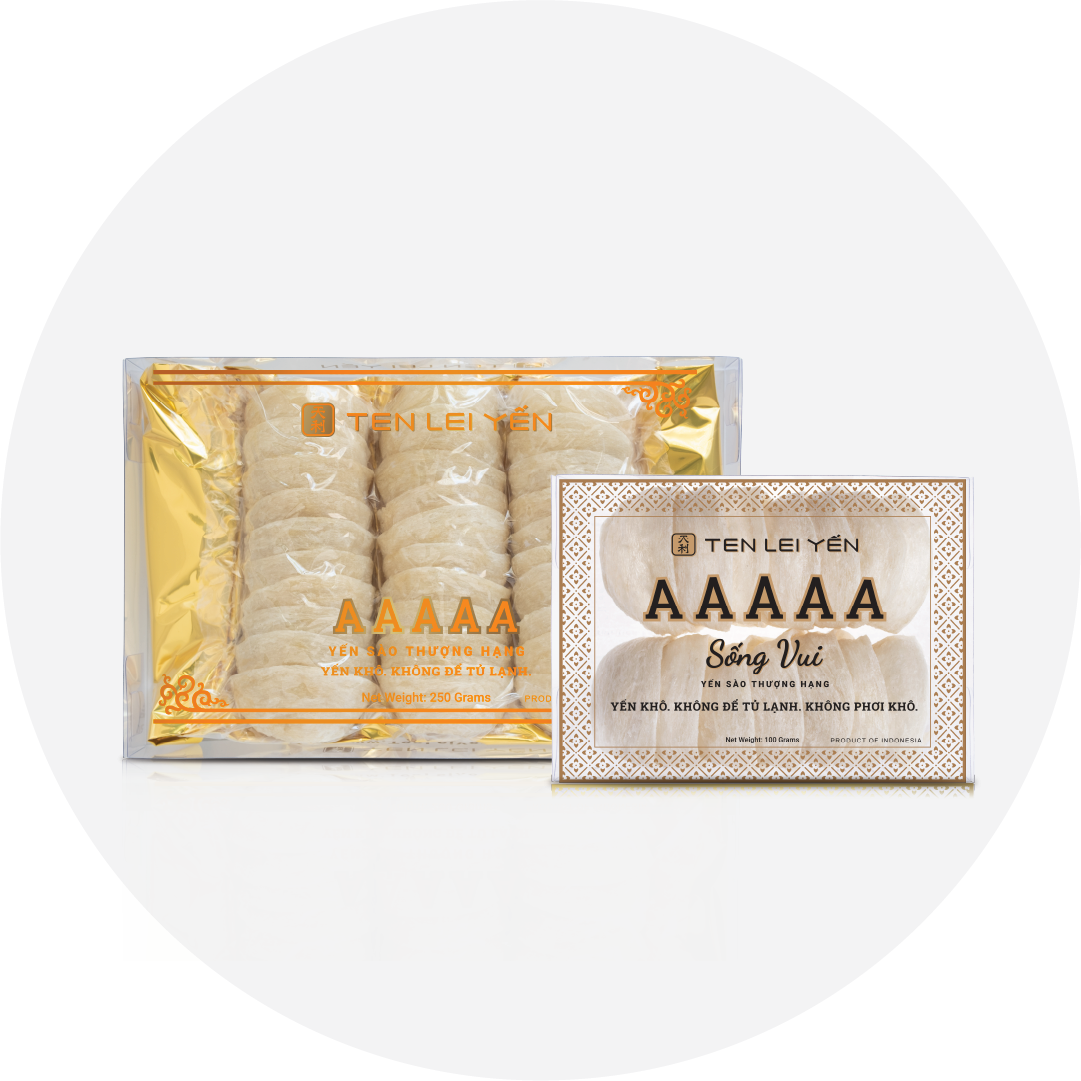
- 5A — our premium selection, chosen for its appearance and uniformity.
You can browse the everyday grade on the Blue Label collection and the gift-ready grade on the Red Label collection.
How edible bird's nest is traditionally enjoyed
Edible bird's nest is most often prepared as a warm dish. It carries a mild, subtly savory character of its own and is commonly served lightly sweetened, which makes it a comforting treat to share. Because the flavor is so delicate, it is usually cooked simply so the texture and natural taste come through.
Preparation and serving
Begin by soaking the dried nest in clean, room-temperature water for about 4 to 6 hours, or overnight, until it expands and softens. Drain and gently separate the strands, removing any remaining fine particles. White nest is typically double-boiled for around 40 minutes, allowing the texture to turn tender without overcooking. For a sweet preparation, Ten Lei Yen's traditional formula uses ginseng to round out the dish; rock sugar can be added to taste near the end of cooking. Serve warm.
Explore the full range on the Blue Label and Red Label collections to find the presentation that fits your table.