By Alina @ TLY
Bird's nest pairs differently depending on the season: bright fruit and floral notes in early autumn, warming red dates and ginseng through winter, festive gifting in late winter, and lighter fruit again as spring arrives. Here's a month-by-month guide to what to serve alongside it.
Key Takeaways
- September-October: Fuyu persimmon, Asian pear, and dried osmanthus flowers pair well with the season's Mid-Autumn mood.
- November-December: red dates, longan, and American ginseng make warm double-boiled bowls suited to cooler weather.
- January-February: gifting boxes and warm ginseng bowls fit Lunar New Year and Tết entertaining.
- March-April: lighter fresh fruit such as pear or plum returns as the weather warms.
- A STANDARD SERVING is 3-5 g dry nest per bowl in every season; only the pairing and serving temperature change.

September-October: Persimmon, Pear, and Osmanthus
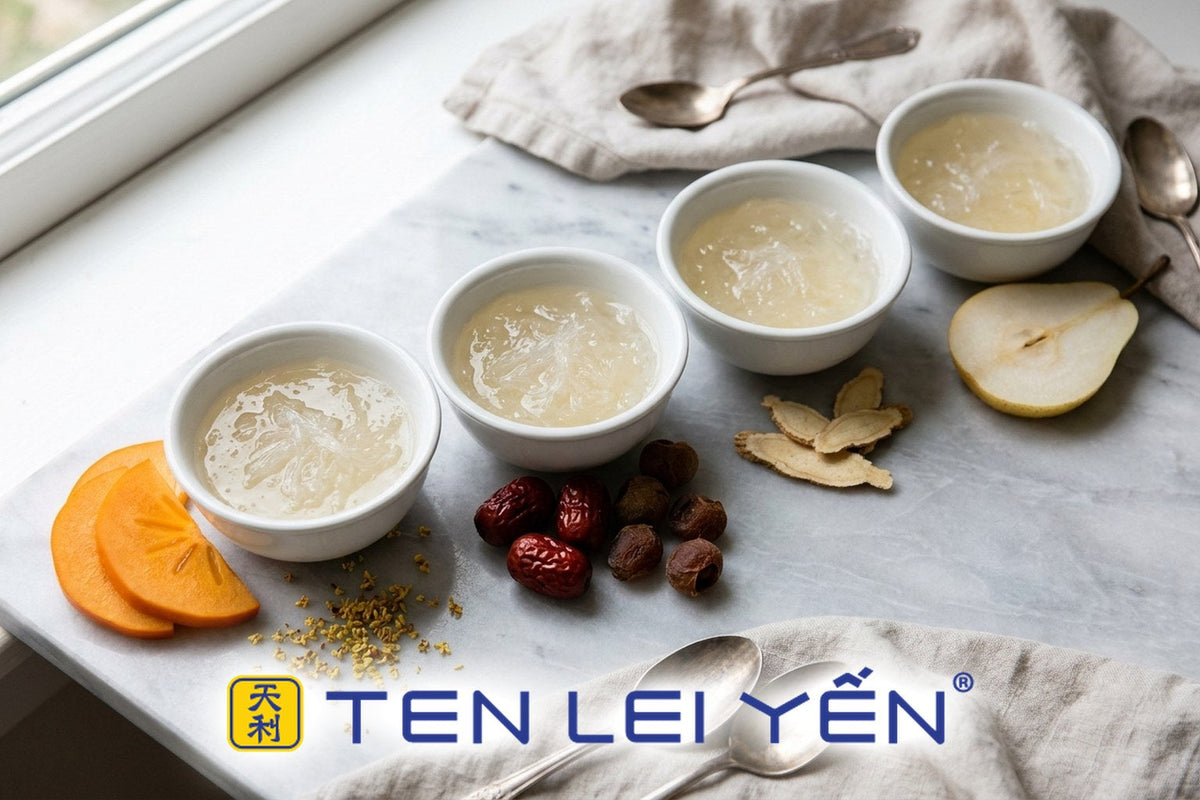
Early autumn brings Fuyu persimmon, Asian pear, and dried osmanthus flowers into season, all of which pair well with a warm double-boiled bowl of nest and rock sugar. Persimmon and pear are usually sliced or diced and added toward the end of the double-boil so they keep some texture; dried osmanthus is stirred in during the final few minutes so its fragrance stays bright. This is also the stretch that leads into the Mid-Autumn Festival, when a box of nest is a common gift alongside mooncakes and tea.
November-December: Red Dates, Longan, and Ginseng
As the weather cools, red dates and dried longan become the standard pairing, often with a few slices of American ginseng for a rounder, warming bowl. This is the classic sweet formula: soaked nest, rock sugar, red dates, and ginseng, double-boiled together for about 40 minutes. Served warm in white porcelain, it's a straightforward bowl for shorter, colder days.
January-February: Gifting and Warm Ginseng Bowls
Late winter is gifting season, with Lunar New Year and Tết bringing boxed bird's nest to family tables and gift exchanges. At home, the same warm ginseng-and-red-date bowl from the previous months carries through, often served to guests during New Year visits. A whole-nest bowl — one full nest, roughly 8-14 g depending on grade — is a generous single serving for a guest, equal to two to four standard servings.
March-April: Lighter Fruit Returns
As the weather warms, the pairing shifts back toward lighter fresh fruit — pear, plum, or a light squeeze of citrus — and bowls are more often served at room temperature or lightly chilled rather than piping hot. This transitional stretch leads into the fully chilled, fresh-fruit approach that suits the warmer months ahead; our guide on How to Serve Bird's Nest in Summer covers that chilled style in detail.

The Constants Across Every Season
Regardless of season, the base method doesn't change: soak dry nest 4-6 hours or overnight, rinse gently, then double-boil about 40 minutes in white porcelain. What changes is the add-in — fruit and floral notes in early autumn and spring, red dates and ginseng in winter — and whether the bowl is served warm or chilled. Cooked nest keeps 3-5 days refrigerated, so a batch made ahead can carry through a few days of whichever season's pairing you're using. If you're planning a gift box around the Mid-Autumn Festival specifically, see our guide on Bird's Nest as a Mid-Autumn Festival Gift.
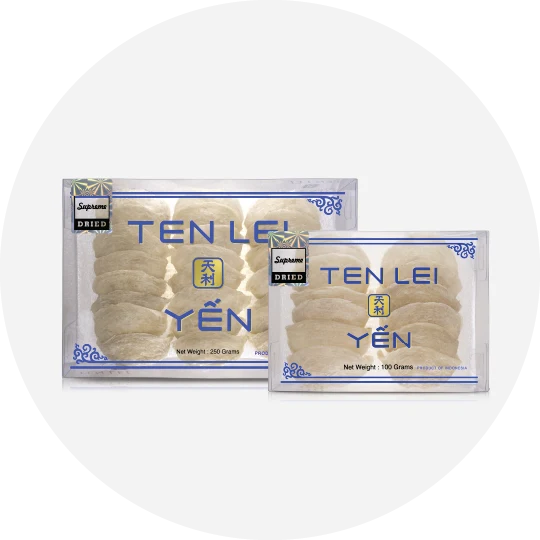
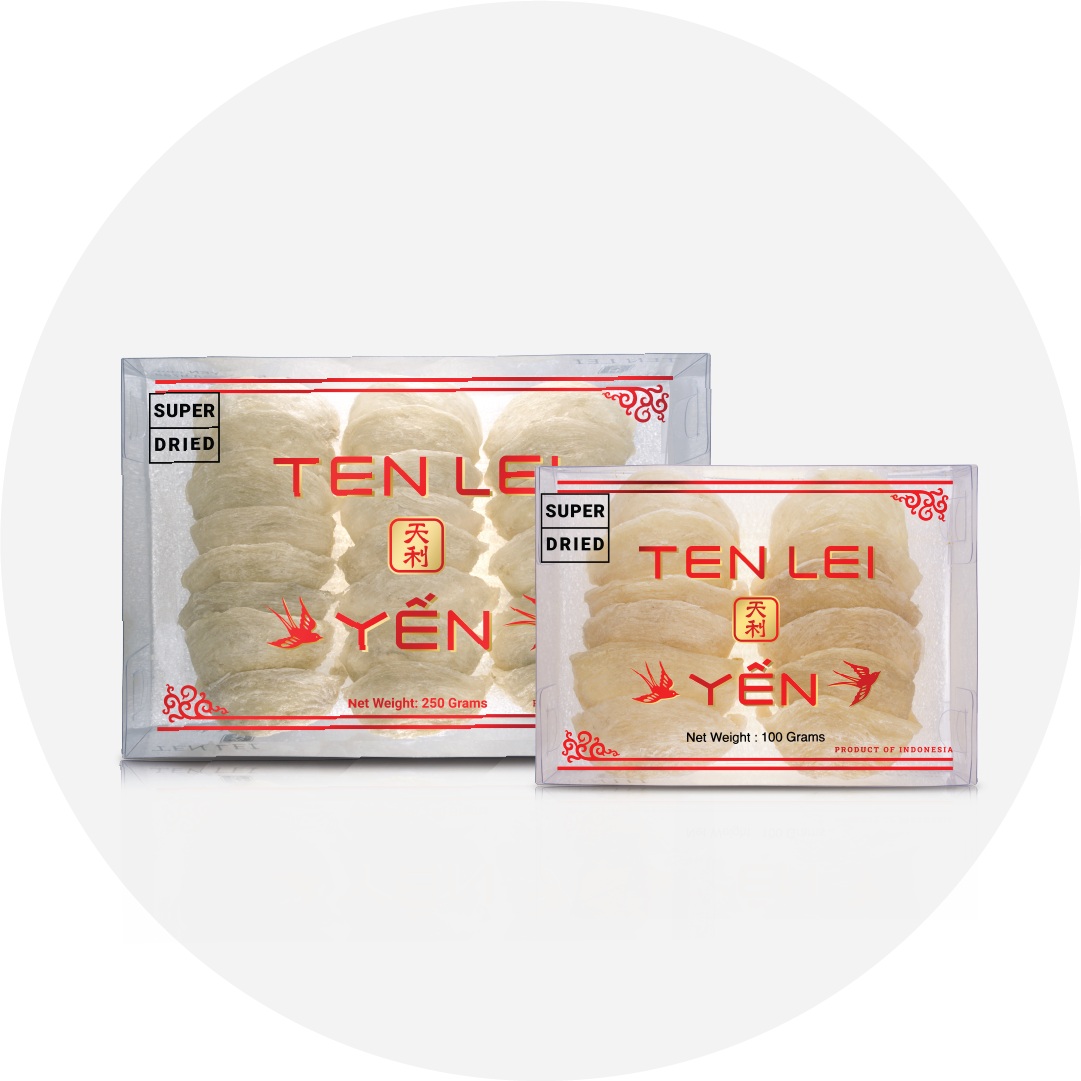
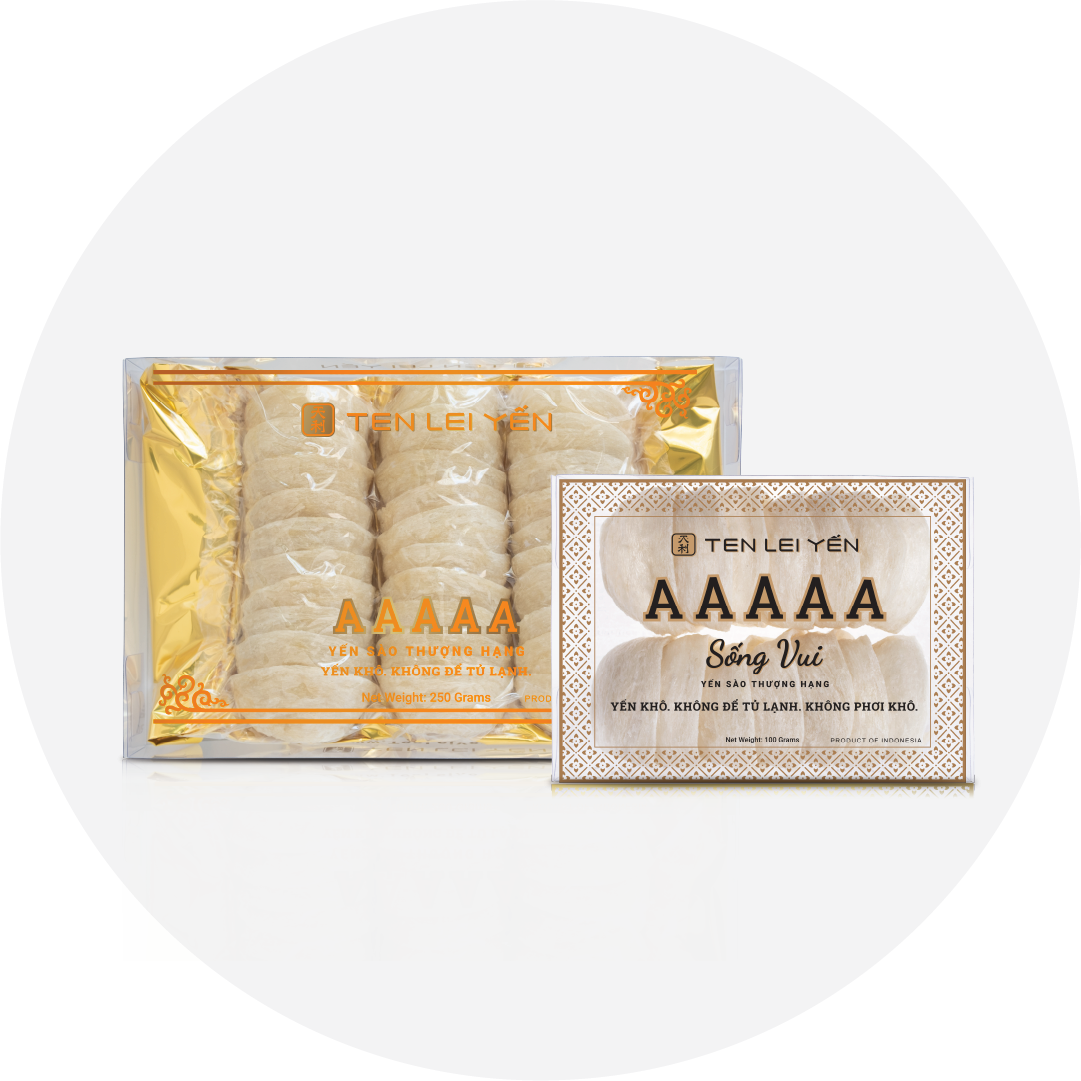
Shop Blue Label, Red Label, and 5A bird's nest for any season's bowl.
Frequently Asked Questions
Does the STANDARD SERVING size change with the season?
No. A STANDARD SERVING stays 3-5 g dry nest per bowl year-round; only the pairing and serving temperature change.
What's the easiest way to move between seasonal pairings?
Keep the base double-boil the same and swap the add-in: fruit and osmanthus in early autumn and spring, red dates and ginseng in winter.
Can a cooked bowl be made ahead for a few days?
Yes. Cooked nest keeps 3-5 days refrigerated in a sealed container; reheat gently or serve chilled depending on the season.
Is there a warm-weather guide for lighter, chilled bowls?
Yes, see our guide on How to Serve Bird's Nest in Summer for chilled, fresh-fruit preparations.