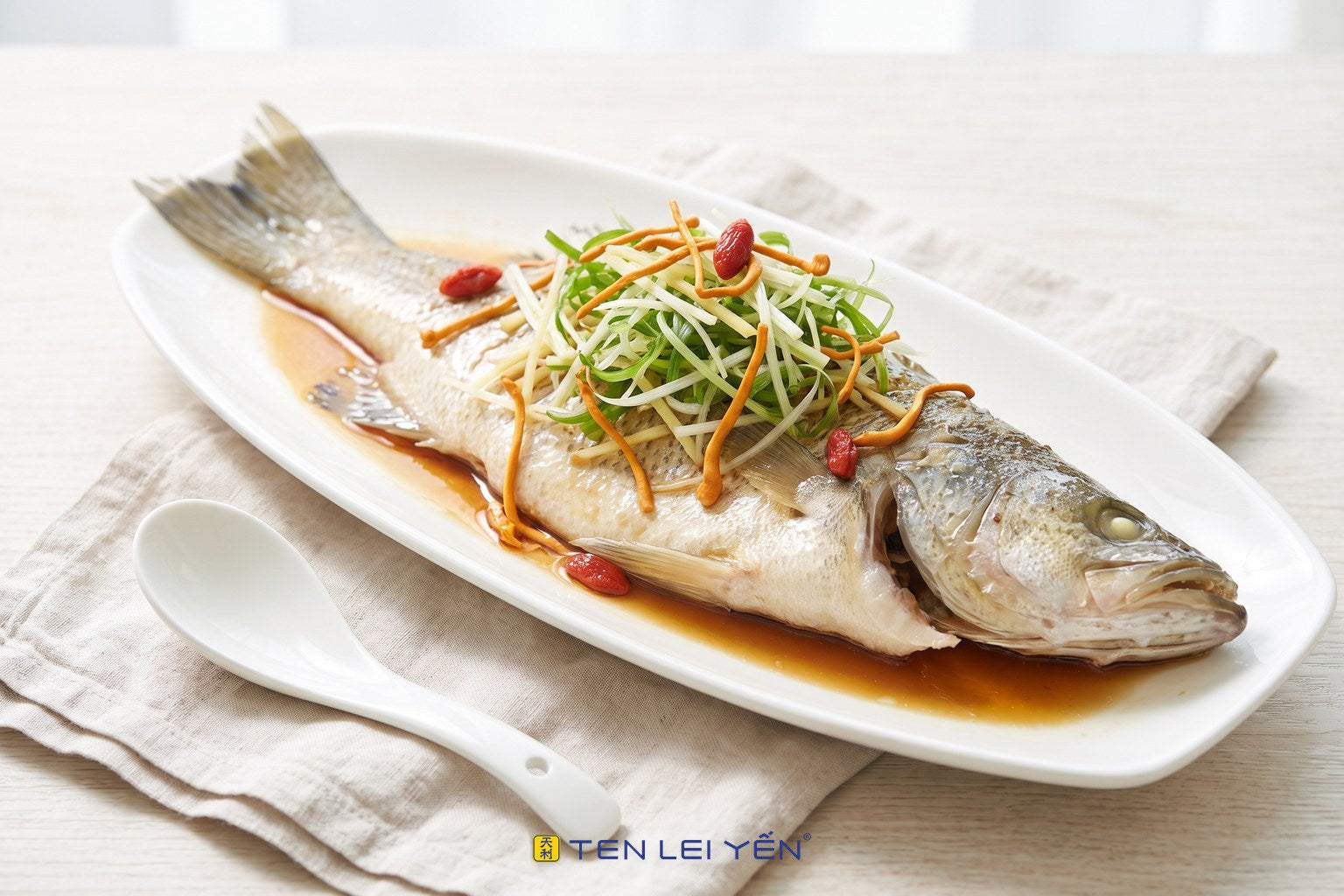
To make Cantonese steamed fish with cordyceps, top a fresh whole fish or a firm white fillet with julienned ginger and scallion, steam it over high heat for about 8 to 12 minutes until the flesh just turns opaque and flakes, then finish with a light soy drizzle, a splash of hot oil, and a scatter of soaked cordyceps. It is one of the gentlest ways to cook fish, and cordyceps slips into the dish as a quiet, earthy garnish.
Key takeaways
- Steaming keeps the fish tender and lets the aromatics carry the flavor.
- A whole fish steams in roughly 8 to 12 minutes depending on size; a fillet is closer to 8 to 10.
- Ginger and scallion are the core aromatics here, which is standard Cantonese technique.
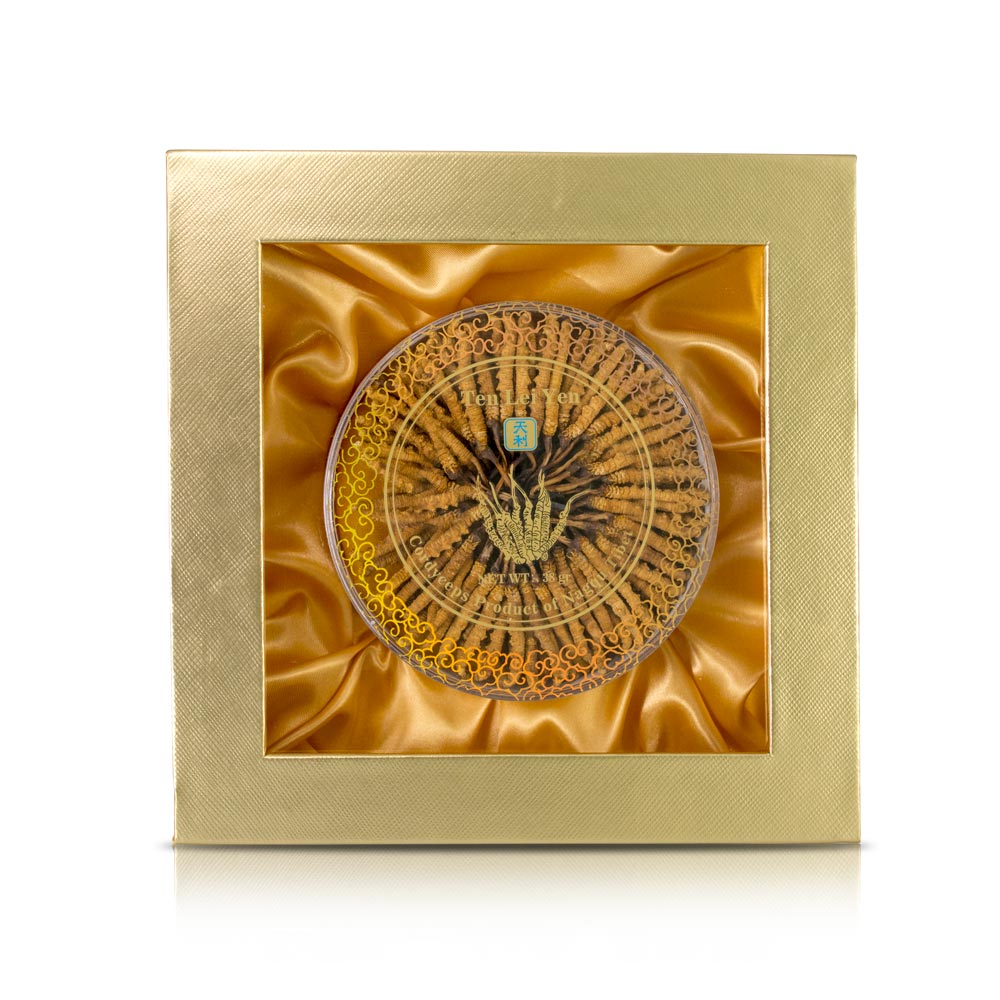
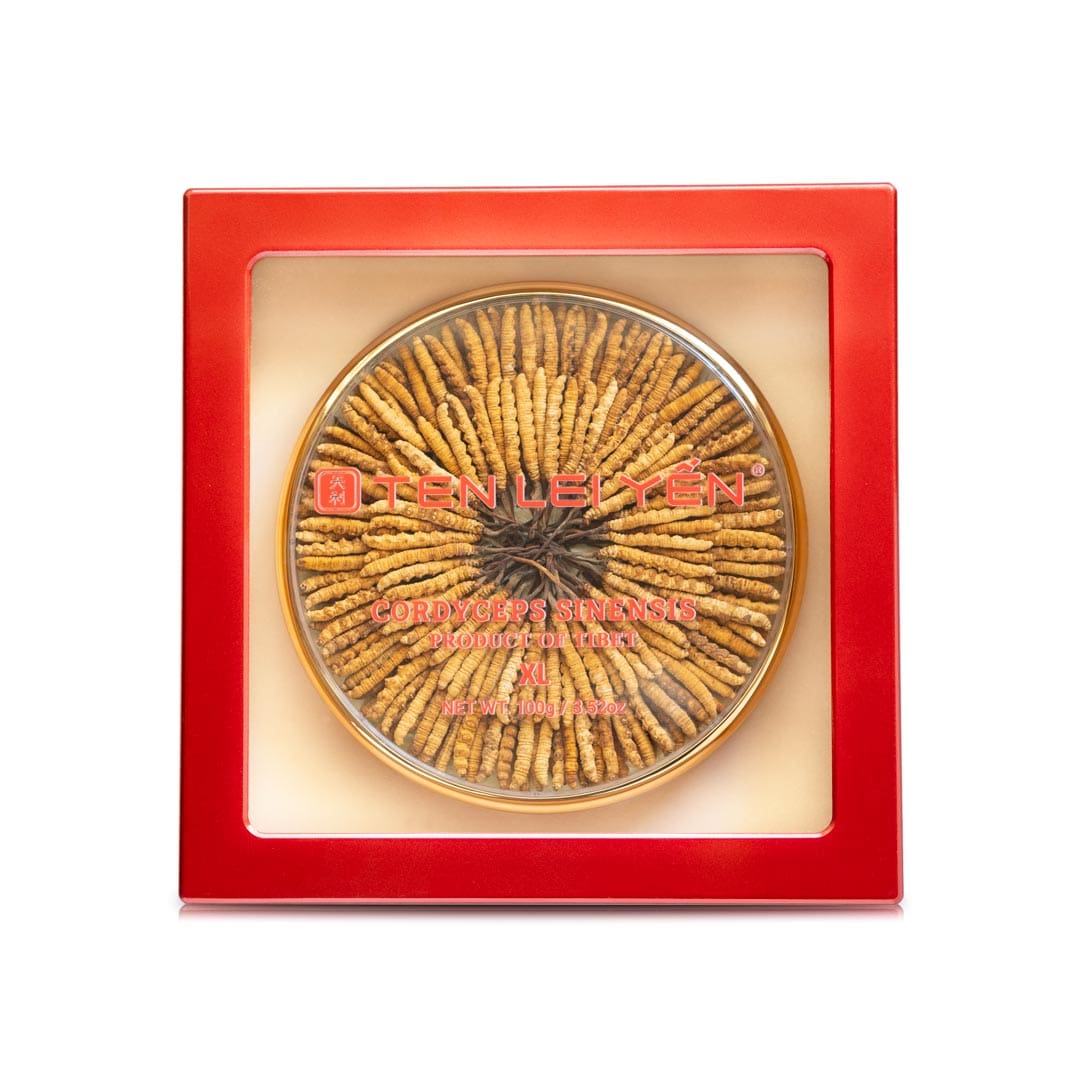
- Cordyceps are short, slender orange-gold stalks (cultivated militaris) or tan-and-dark pieces (wild sinensis); soak them briefly, then add near the end so they stay intact.
- Use a light soy drizzle and a splash of hot oil to finish, not a heavy sauce.

What you need
- 1 fresh whole white fish (about 1 to 1.5 lb), scaled and cleaned, or 2 firm white fillets
- A thumb of fresh ginger, peeled and julienned
- 2 to 3 scallions, cut into 2-inch lengths and finely shredded
- A small handful of cordyceps, briefly soaked in warm water until pliable
- A few red goji berries (optional)
- Light soy sauce, a pinch of sugar, and a little hot water for the drizzle
- 1 to 2 tablespoons of neutral oil, heated until shimmering
How to steam it
1. Prepare the fish
Pat the fish dry and set it on a heatproof plate that fits inside your steamer. For a whole fish, score the thickest part on each side so it cooks evenly. Lay a few pieces of ginger under and over the fish.
2. Steam
Bring the water in your steamer to a rolling boil, then set the plate in and cover. Steam a whole fish over high heat for about 8 to 12 minutes, or a fillet for about 8 to 10, until the flesh at the thickest point turns opaque and flakes easily. Pour off any watery liquid that collects on the plate.
3. Add the cordyceps and aromatics
Scatter the soaked cordyceps, the fresh shredded scallion, the remaining ginger, and a few goji berries over the hot fish. The residual heat softens them without overcooking, so the cordyceps keep their shape.
4. Finish
Stir the light soy sauce with a pinch of sugar and a little hot water, and drizzle it around the fish. Heat the oil until it shimmers and pour it over the scallion and ginger so they sizzle. Serve right away.
A few notes on the cordyceps
Both cultivated and wild cordyceps work here. Cultivated cordyceps, sometimes called cordyceps flower, are the short orange-gold stalks; they hold a gentle, snappy texture and are easy to portion. Wild cordyceps sinensis are the tan caterpillar-shaped pieces with a darker stalk. Whichever you use, soak them just until pliable and add them at the end so they stay whole against the pale fish.
If you want to build a small pantry for dishes like this, browse our wild cordyceps and cultivated cordyceps.
FAQ
How long do you steam a whole fish?
A whole fish of about 1 to 1.5 pounds steams over high heat for roughly 8 to 12 minutes, until the flesh at the thickest point is opaque and flakes. Larger fish need a little more time.
When should I add the cordyceps?
Add them at the very end, after the fish is cooked, so the residual heat softens them and they keep their shape rather than breaking down.
Do I need to soak the cordyceps first?
A brief soak in warm water until they are pliable is enough for this dish, since they finish in the heat of the fish and the hot oil.
What fish works best?
A fresh whole white fish or a firm white fillet works well. Freshness matters more than the exact variety for a clean, delicate steamed dish.
By Alina @ TLY