The label on a bag of wild Cordyceps sinensis often reads "Origin: Nagqu" — but what is Nagqu, exactly? It is not a grade, a brand, or a vague regional gesture. Nagqu (那曲; Tibetan: ནག་ཆུ།) is a real administrative region — a prefecture-level city in the northern Tibet Autonomous Region — and understanding its geography explains a great deal about why wild cordyceps from this area commands a premium price and why supply is structurally limited.
- Nagqu is a prefecture-level city in northern Tibet, averaging above 4,500 m in elevation.
- Its high-altitude alpine meadow ecosystem supports the ghost moth populations that wild Cordyceps sinensis requires to complete its life cycle.
- Harvest windows are narrow — roughly late May through mid-June — and collection is entirely by hand.
- "Nagqu" on a wild cordyceps product identifies geographic origin, not a grade or quality tier.
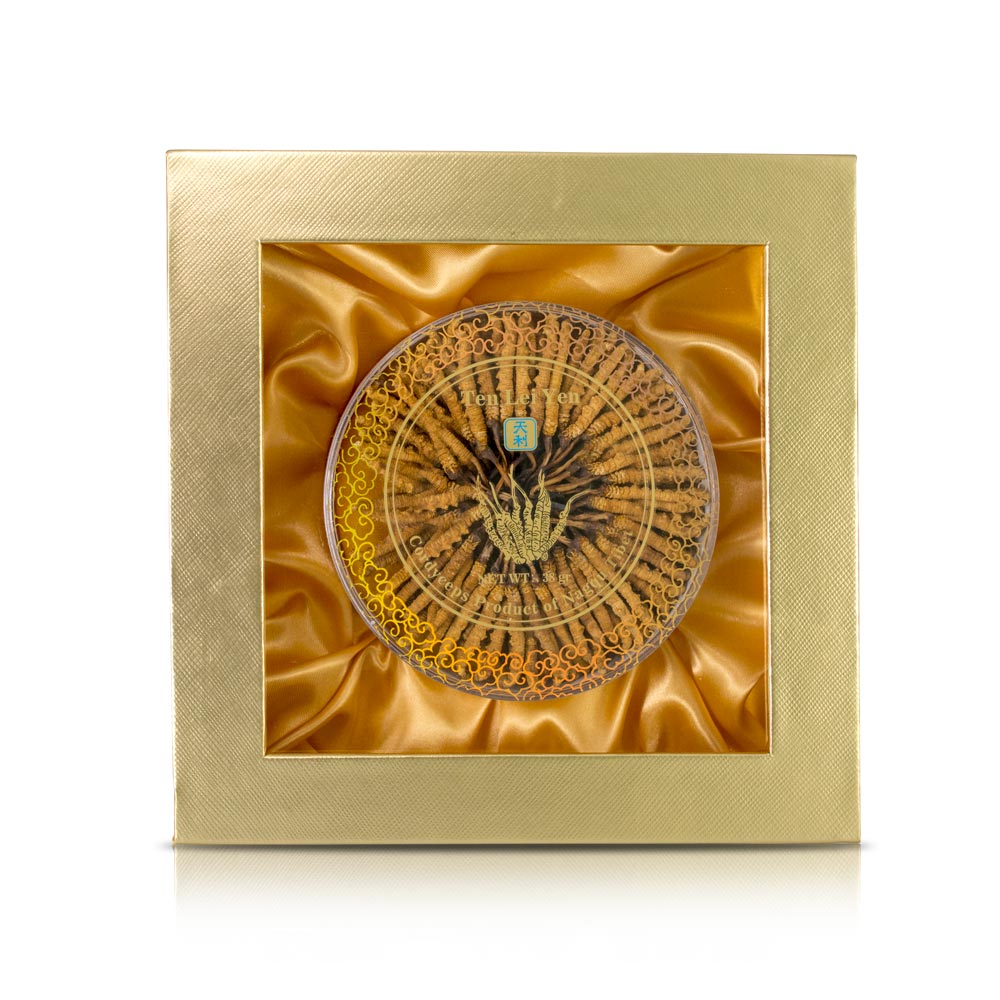
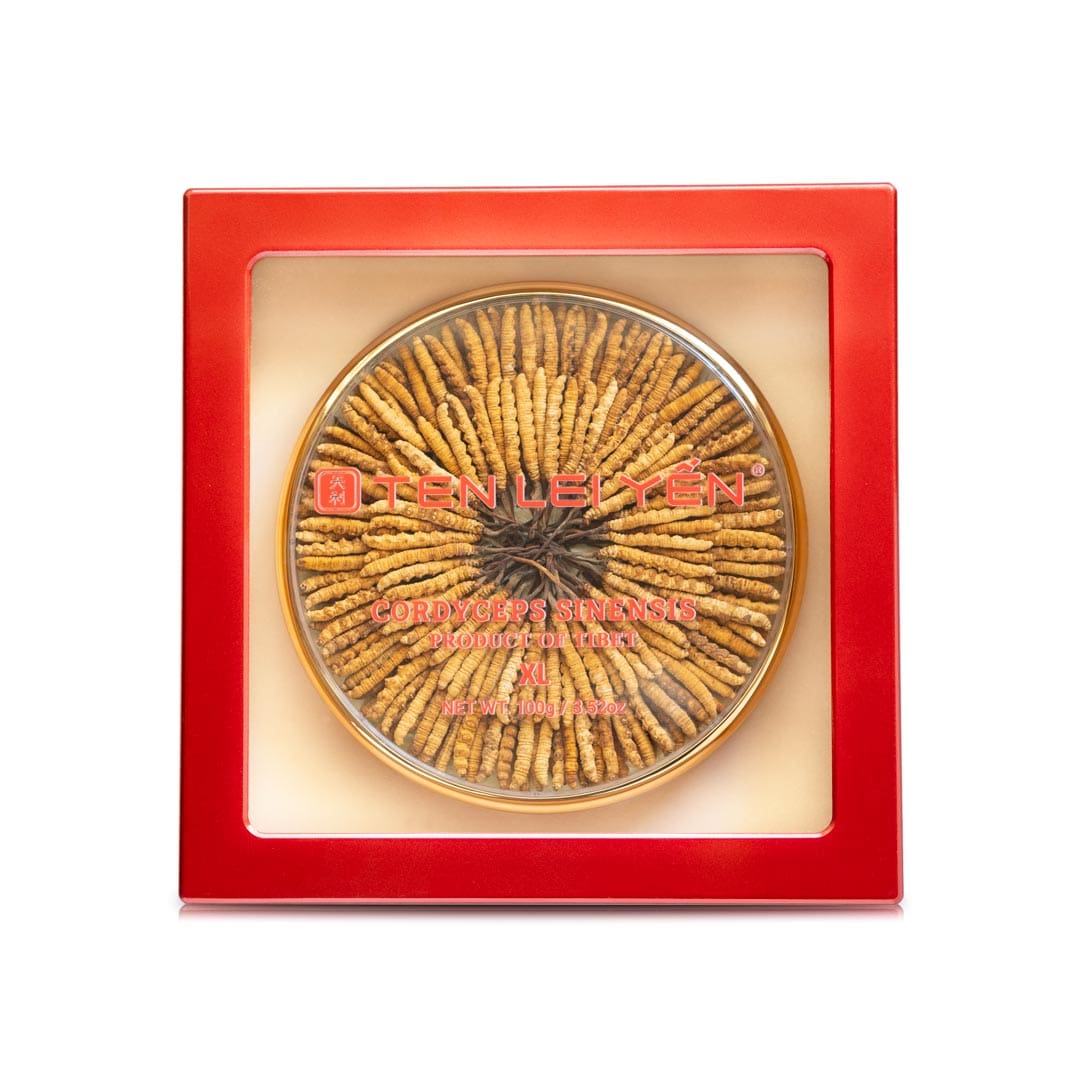
- Ten Lei Yen's wild cordyceps is from Nagqu, Tibet.
Where Nagqu Is Located
Nagqu Prefecture-level City sits in the northern part of the Tibet Autonomous Region, bordering Qinghai Province to the northeast and Xinjiang to the north. Its administrative seat, Seni District, is situated at roughly 4,507 m (14,787 ft) above sea level — one of the highest-elevation urban centers in the world. The prefecture covers an area larger than Germany, dominated by open alpine meadows, seasonal wetlands, and rolling hills shaped by frost and glacial activity.
The Qinghai-Tibet Plateau here is often called the "Roof of the World." Winters are long and severe; summers are brief and cool. Annual average temperatures in many parts of the prefecture stay below freezing. This extreme climate, combined with the specific soil composition and hydrology of the plateau's alpine meadows, creates the conditions required by both the ghost moth hosts and the Cordyceps fungal spores.
The Alpine Ecosystem That Produces Wild Cordyceps Sinensis
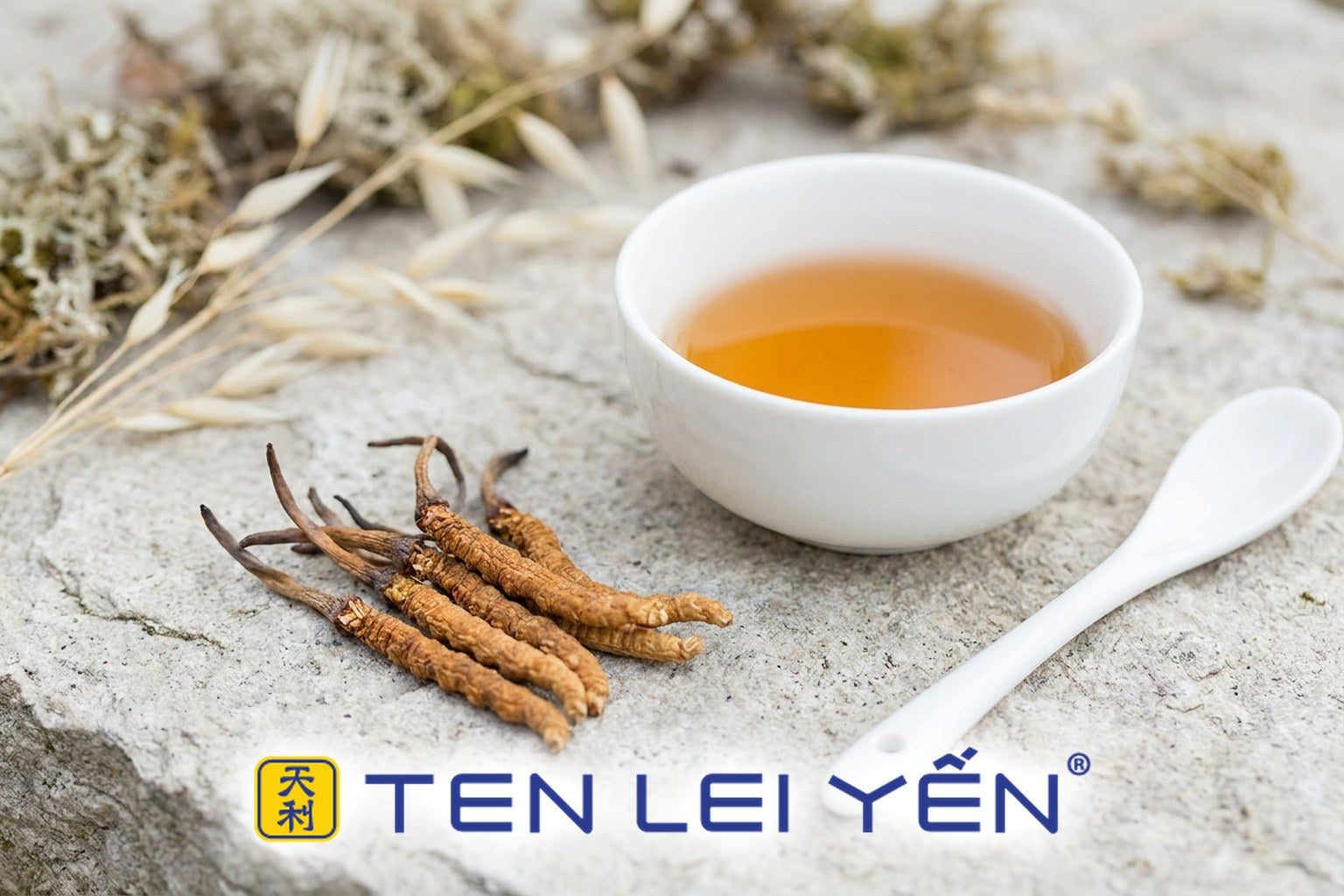
Cordyceps sinensis (冬虫夏草, dōng chóng xià cǎo — literally "winter worm, summer grass") has a life cycle unlike any cultivated crop. The fungus begins as a spore that infects the larva of a ghost moth (Thitarodes spp.) living underground. The larva spends several years in the soil before maturing; during that time, if infected, the Cordyceps fungus gradually colonizes the caterpillar's body, consuming it from the inside while the larva remains dormant. When temperatures rise in spring, a single slender dark stalk — the fungal fruiting body — pushes up through the soil from the head of the consumed caterpillar.
The entire process depends on conditions that exist only above roughly 3,800 m in altitude: cold enough soils to sustain multi-year larval development, the correct ghost moth species, adequate soil moisture from snowmelt, and specific grass and sedge root structures that the larvae feed on. Altitudes below this threshold generally lack the environmental pressure; the few collection zones above 5,200 m are too sparse in ghost moth population to be productive. The 4,000–5,000 m band across Nagqu's alpine meadows falls squarely in the productive range.
The Nagqu Harvest Season
Collection in Nagqu typically opens in late May and closes by mid-June — a window of roughly three to four weeks, though the exact timing shifts with snowpack depth and spring temperatures. Collectors — many from Tibetan pastoralist families whose knowledge of the terrain spans generations — move slowly across the meadow on their hands and knees, scanning the ground for the faint dark tip of the emerging stalk. Specimens must be dug out carefully using a small pick to preserve the intact caterpillar body below; the whole unit — caterpillar plus stalk — is the complete specimen that reaches the market.
Each collector can locate only a limited number of specimens per day. Once surface temperatures climb and the fruiting bodies are exposed too long, they deteriorate rapidly. This combination of a short season and low per-day yields per collector directly constrains annual supply regardless of demand.
Nagqu Among Wild Cordyceps Origins
Within the wild Cordyceps sinensis trade, several plateau origins are recognized and traded separately. Nagqu, Tibet carries the most internationally recognized designation and commands the premium end of the market.
These regions share similar high-altitude ecology but differ in elevation ranges, dominant ghost moth species, and soil composition — factors that affect specimen size, density, and the caterpillar-to-stalk ratio collectors encounter each season. "Nagqu" as an origin label is specific: it points to a defined administrative region in the Tibet Autonomous Region.
Reading a Wild Cordyceps Label
When a package lists "Origin: Nagqu" or "那曲产," it identifies where the specimen was harvested — it does not specify grade. Grade is a separate designation covering size (often measured by pieces per 37.5 g, the Chinese tael unit), the intactness of the caterpillar body, and whether the stalk is whole and attached. A Nagqu-origin lot can range from premium-grade whole large specimens to smaller broken pieces, all sharing the same geographic origin.
The combination of confirmed high-altitude origin plus verified grade is what positions wild Cordyceps sinensis within the market. Browse TLY's wild cordyceps collection to see current grades and origin details.

Frequently Asked Questions
- What does "Nagqu" mean?
- Nagqu (那曲) is the name of a prefecture-level city in the Tibet Autonomous Region of China. The Tibetan name roughly translates to "black river." It is the administrative region from which a significant share of the premium wild Cordyceps sinensis in the global market originates.
- How high is Nagqu?
- The prefecture seat sits at approximately 4,507 m (14,787 ft) above sea level. Cordyceps sinensis collection areas within the prefecture typically occur between 4,000 m and 5,200 m, with the densest productive zones in the 4,300–4,800 m band.
- Is Cordyceps sinensis the same as Cordyceps militaris?
- No. Cordyceps sinensis (冬虫夏草) is the wild species harvested from high-altitude Tibetan Plateau caterpillars — rare and expensive. Cordyceps militaris (虫草花) is a separate, cultivated species grown on grain substrate in controlled facilities, widely available and used in everyday cooking. They are related genera but distinct in origin, appearance, and market positioning.