Key takeaways
- Indonesia is the world's largest producer of edible bird's nest, with a large base of purpose-built swiftlet houses.
- That scale tends to give buyers more consistent size, color, and grading from batch to batch.
- Indonesian nests are often whiter and more uniform in appearance, which many shoppers prefer for gifting.
- Nest from many small, unrelated operations can vary widely in appearance and processing, which is why grading and a trusted source matter.
- What matters most for any nest is authenticity, careful cleaning, dryness, and minimal additives — not the origin label alone.

Indonesian bird's nest: what sets it apart
Indonesian edible nests are built by swiftlets in warm, humid coastal and inland regions across the country's islands. The qualities buyers notice usually come down to scale of production, harvesting and cleaning practices, grading, and appearance rather than the bird itself.
1. Origin and climate
Indonesia's tropical climate and long coastline support a very large number of swiftlet houses across many islands, including Java, Kalimantan (Borneo), Sulawesi, and Sumatra. Steady heat and humidity give swiftlets year-round conditions to feed and build, and the supply chain has matured alongside the country's large number of producers.
2. Farming and harvesting
In Indonesia, nests are typically collected from managed swiftlet houses rather than wild caves, although cave nest is harvested too. The country's larger, more established industry often means more standardized harvesting schedules and handling. When harvesting is spread across many small, independent houses with no shared standard, results can vary more from one supplier to the next — which is why an established supply chain matters.
3. Cleaning and processing
Cleaning is where the difference is most visible. Larger Indonesian processors commonly use multi-step cleaning to remove feathers and debris, and Ten Lei Yen selects nest cleaned this way. In a fragmented market, processing methods and finish can differ from batch to batch. For any nest, look for nest that is cleaned without harsh bleaching and sold with clear information about how it was processed.
4. Grading and consistency
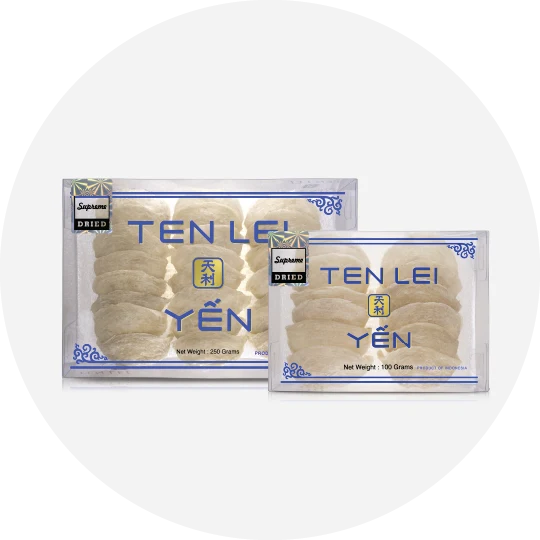
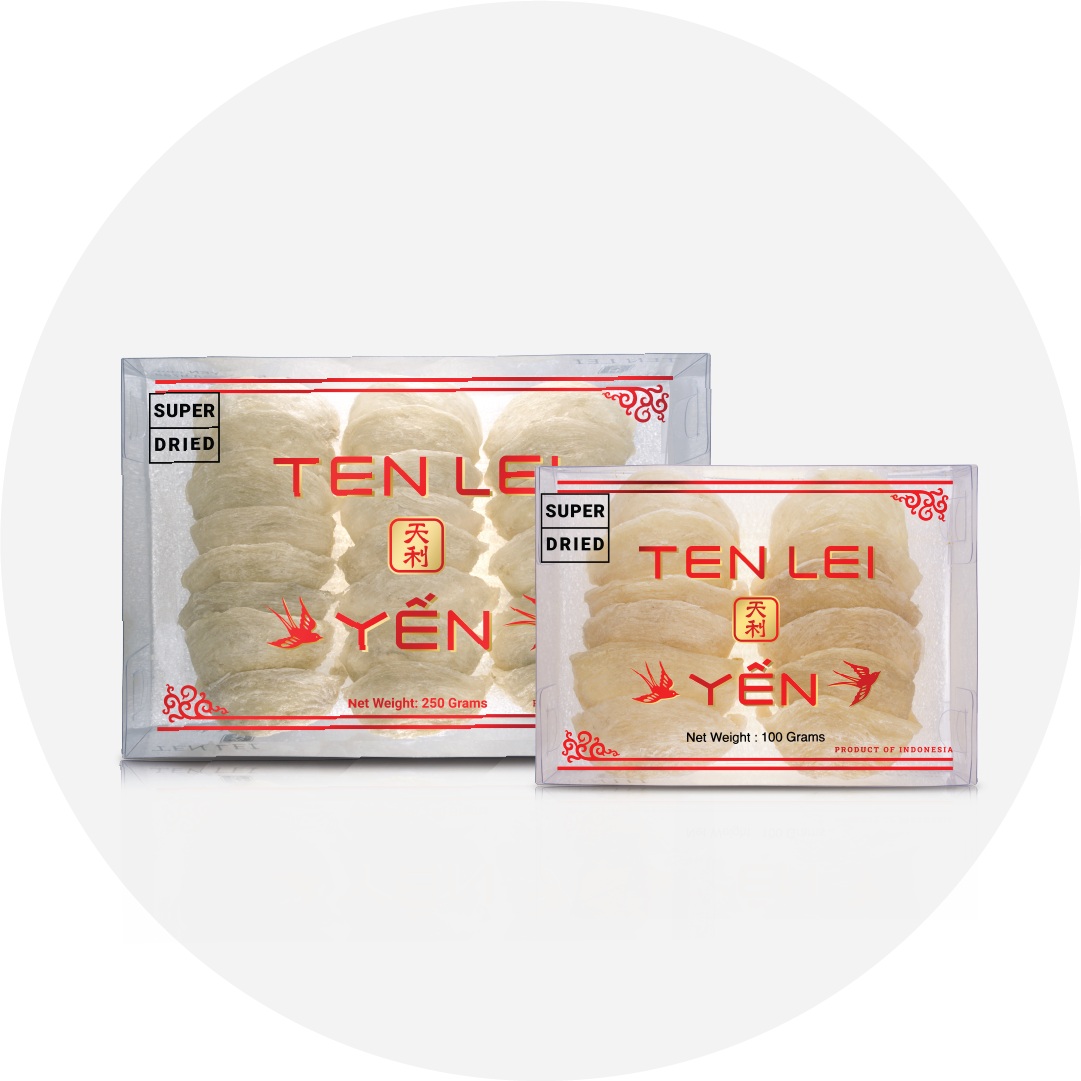
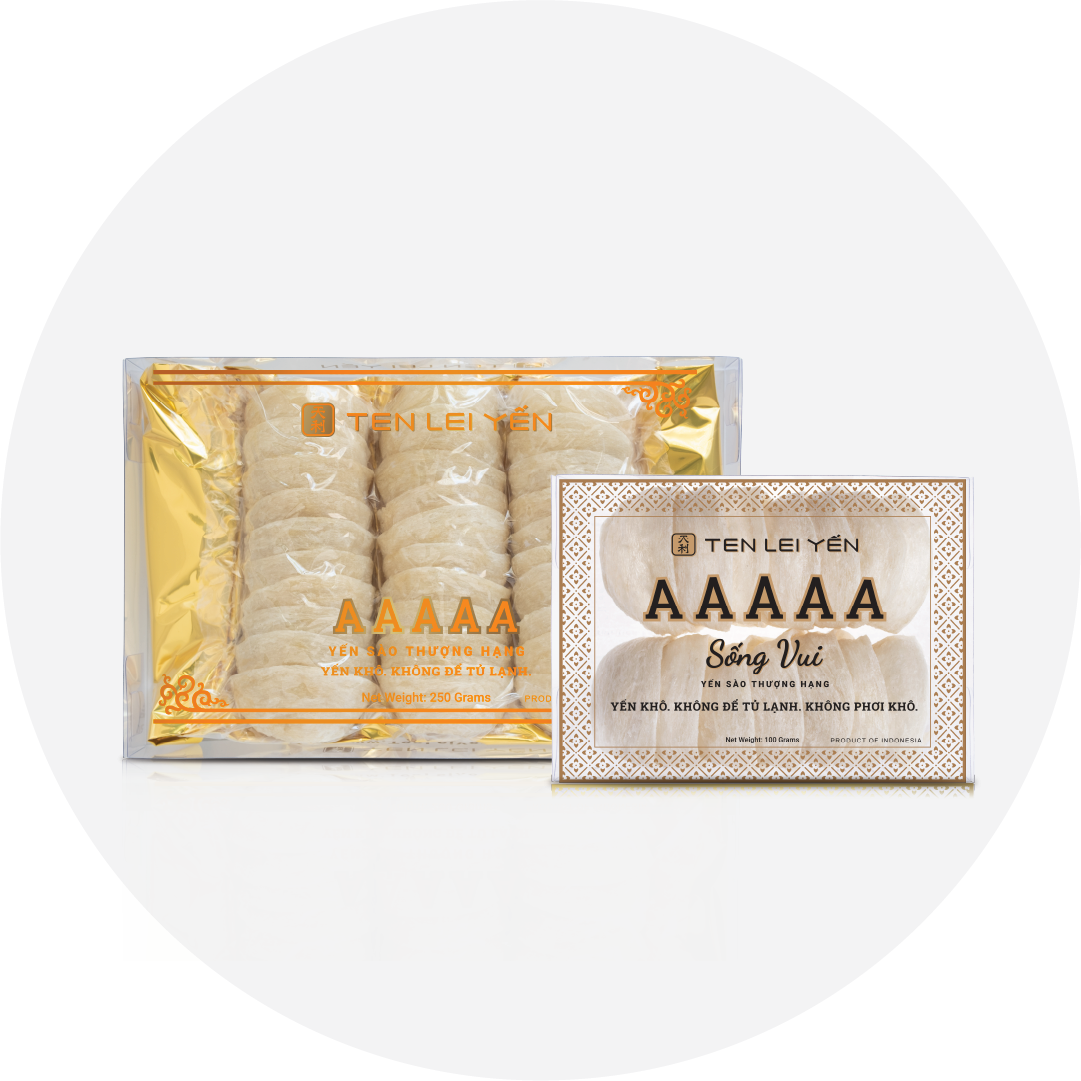
A mature supply chain makes it easier to sort nest into consistent grades. Ten Lei Yen organizes its nest into clear tiers such as Blue Label and Red Label, along with 5A, so buyers know what size and appearance to expect each time they order. Smaller producers may not offer the same standardized grading, so two orders can look noticeably different.
5. Appearance
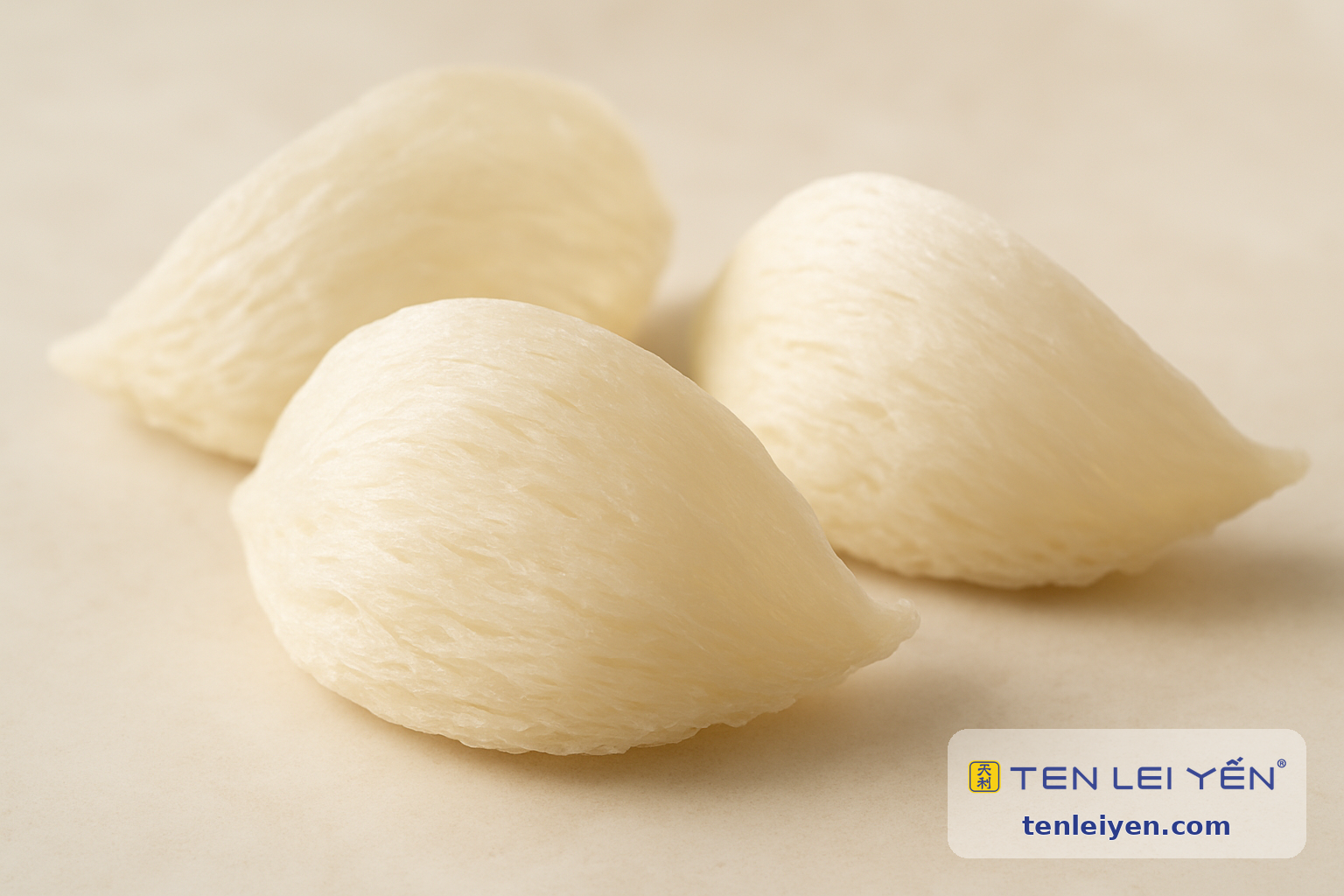
Indonesian house nests are often whiter, more uniform in shape, and show less feather residue after cleaning. Cave nests can appear slightly darker, with more natural color variation. Many shoppers associate a clean, intact, pale nest with higher perceived quality, which is one reason Indonesian nest is popular for gift-giving.
6. Taste and texture
Flavor is mild — bird's nest has a delicate, slightly eggy aroma and a soft, gelatinous texture once prepared. Its taste depends more on freshness, dryness, and how the nest is cooked than on where it was harvested. A standard serving is 3-5 g of dry nest, soaked for 4-6 hours or overnight and double-boiled for about 40 minutes.
7. Supply and consistency over time
Because Indonesia produces at scale, it is generally easier for a brand to keep a steady supply and a repeatable grade available year-round. Buyers who reorder often value being able to get the same look and size each time, which a larger, more standardized supply chain supports.
8. Price and value
Price reflects grade, appearance, cleaning effort, and packaging rather than origin alone. Cleaner, more uniform, higher-graded nest typically sits at a higher price point, while more variable nest can cost less. The best way to judge value is to compare grade, dryness, cleanliness, and how much usable nest you get for the price.
So why choose Indonesian nest?
If you want a clean, uniform appearance, dependable grading, and a presentation that suits gifting, Indonesian nest — including Ten Lei Yen's Blue Label and Red Label tiers — is an easy pick. Whichever grade you choose, prioritize authenticity, careful cleaning, good dryness, and minimal additives, and buy from a seller who tells you the grade and exactly how much dried nest you are getting.
Frequently asked questions
What should I look for when buying bird's nest?
Look for authentic nest, careful cleaning without heavy bleaching, good dryness and density, clear grading, and minimal additives. These factors matter more than the origin label.