Edible bird's nest and snow fungus can look surprisingly similar once cooked, so shoppers often mix them up. They are, in fact, completely different ingredients. Bird's nest is the hardened saliva a swiftlet uses to build its nest; snow fungus is an edible mushroom that grows on wood. Both turn soft and translucent in a sweet soup, which is where the confusion starts, but their source, shape, and price set them clearly apart.
Key takeaways
- Edible bird's nest is an animal product (swiftlet saliva); snow fungus is a fungus (a mushroom).
- Bird's nest is made of fine, hair-like strands; snow fungus has frilly, ruffled petals.
- Snow fungus costs far less and is often used as an everyday dessert ingredient.
- Check the dry form before cooking: the shapes are unmistakable once you know them.
What each one actually is
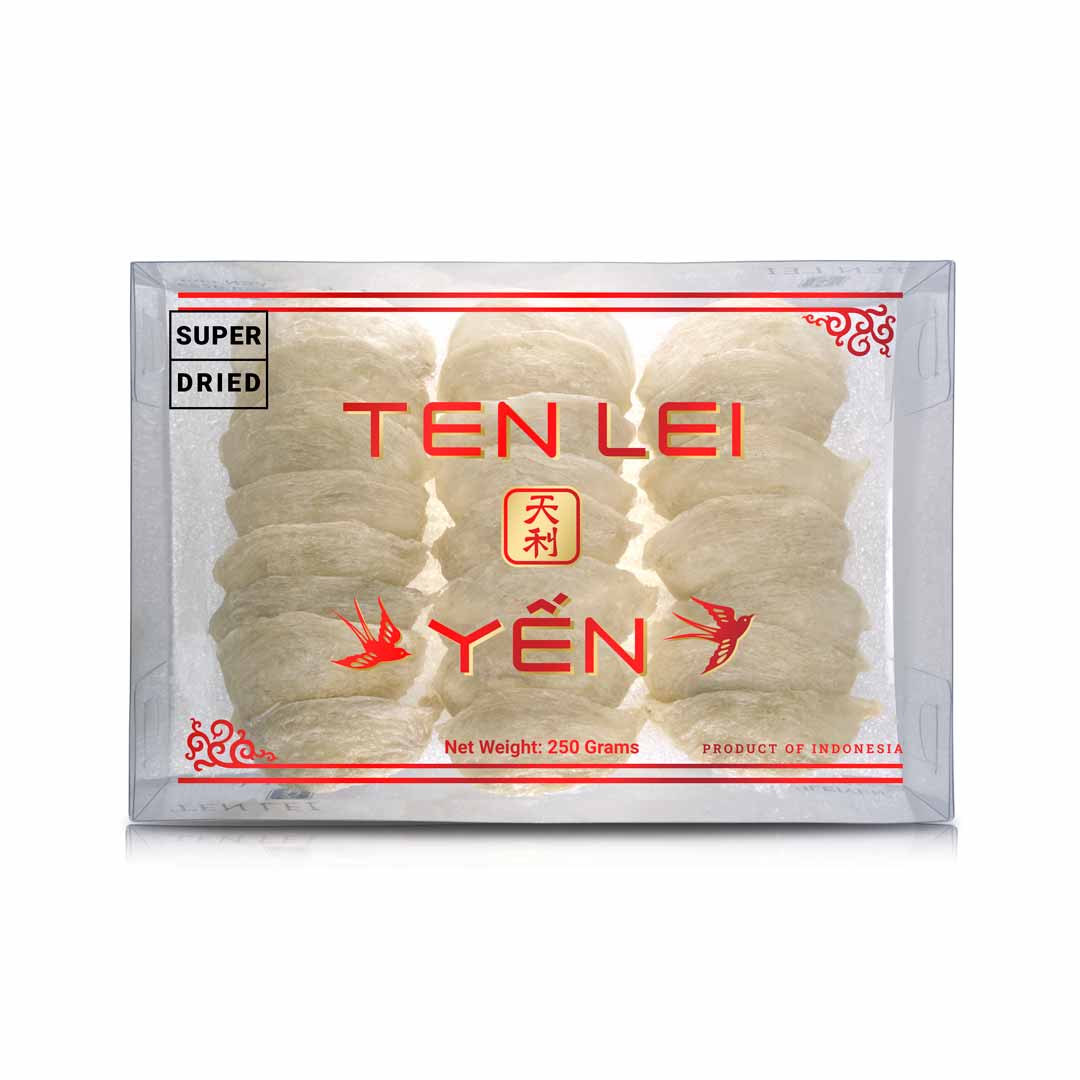
Edible bird's nest is built by swiftlets from strands of their own saliva, which harden into a small cup or boat shape against a cave wall or nesting house. Cleaned and dried, it is made of fine, interwoven ivory strands. Snow fungus, also called white fungus or tremella, is a jelly mushroom that grows on trees. Dried, it looks like a pale, crinkled flower or a small sponge.
How to tell them apart
Shape and texture
This is the clearest test. Bird's nest is a mesh of very fine strands, tightly and densely woven, that separate into threads when soaked. Snow fungus opens into soft, frilly, petal-like lobes with ruffled edges. In the bowl, bird's nest reads as delicate strands; snow fungus reads as ruffled clusters.
Source
Bird's nest comes from swiftlets and is graded, cleaned, and sold as whole nests, strips, or broken pieces. Snow fungus is farmed as a mushroom and sold as dried whole blossoms. One is an animal product; the other is a plant-kingdom fungus.
Price
Snow fungus is inexpensive and widely available. Edible bird's nest is a premium ingredient that takes far more labor to harvest and clean, which is reflected in its price. If something is being sold as bird's nest at a snow-fungus price, that is a reason to look closer.

Are they used the same way?
Both appear in sweet soups and chilled desserts, often with rock sugar, red dates, goji berries, or ginseng, and both take on a gelatinous texture when cooked. Snow fungus is a good, budget-friendly dessert ingredient in its own right and is sometimes chosen as an economical stand-in for bird's nest in home cooking. The two are not interchangeable in quality or character, though: bird's nest has a finer strand and a more delicate mouthfeel, and it is prized as a traditional delicacy.
How to shop with confidence
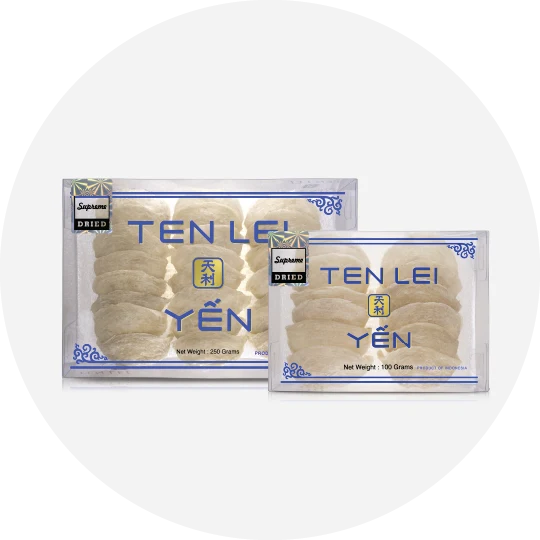
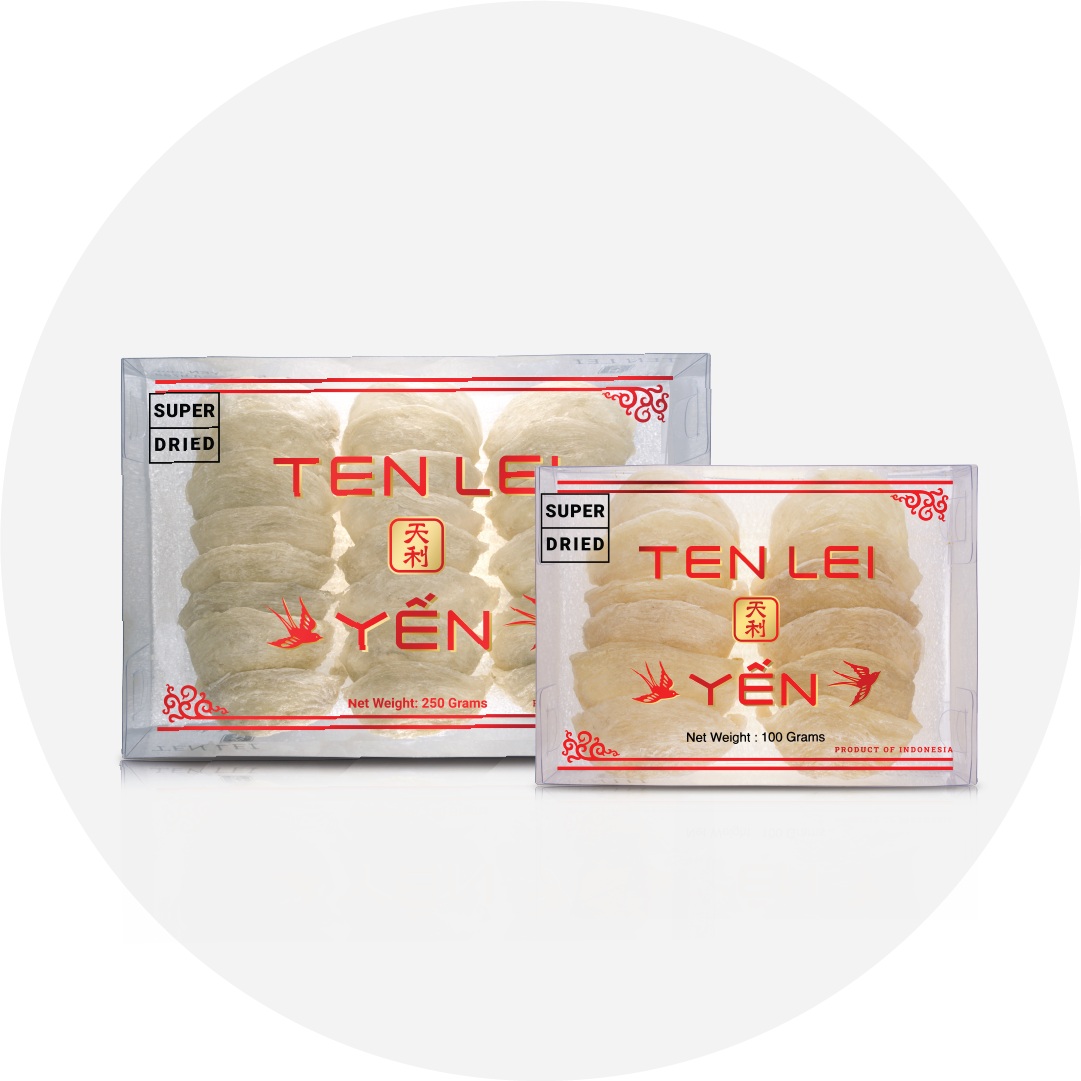
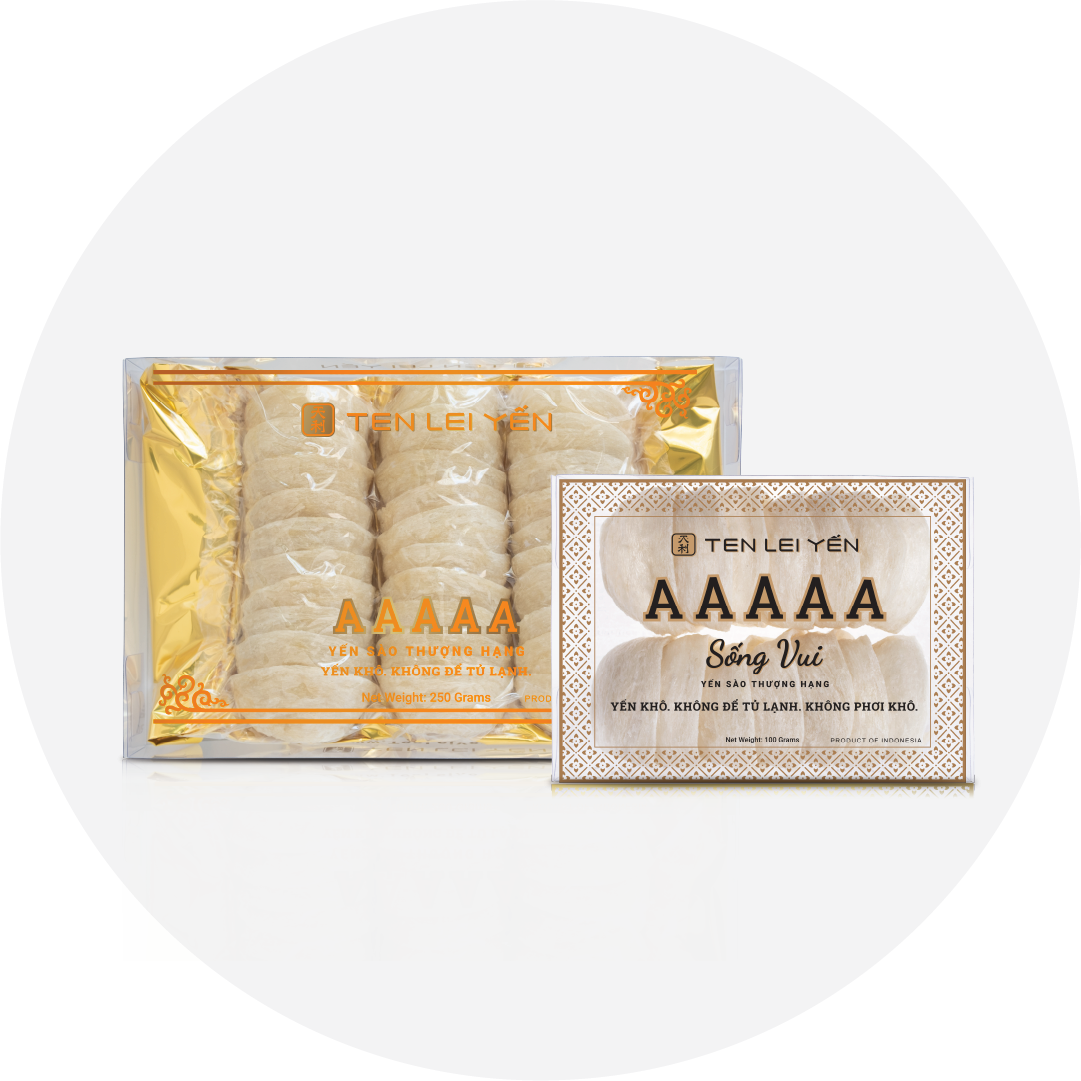
Buy from a seller who is clear about what you are getting, grades their nest, and shows the actual product. Ten Lei Yen sells graded whole white nest in our Blue Label and Red Label lines, plus 5A white nest and specialty nest, so you always know exactly what is in the box.
Frequently asked questions
Can I substitute one for the other?
You can use snow fungus in many of the same sweet-soup recipes, but the texture and character differ. Bird's nest has finer strands and a more delicate feel, while snow fungus is chewier and ruffled.
By Alina @ TLY