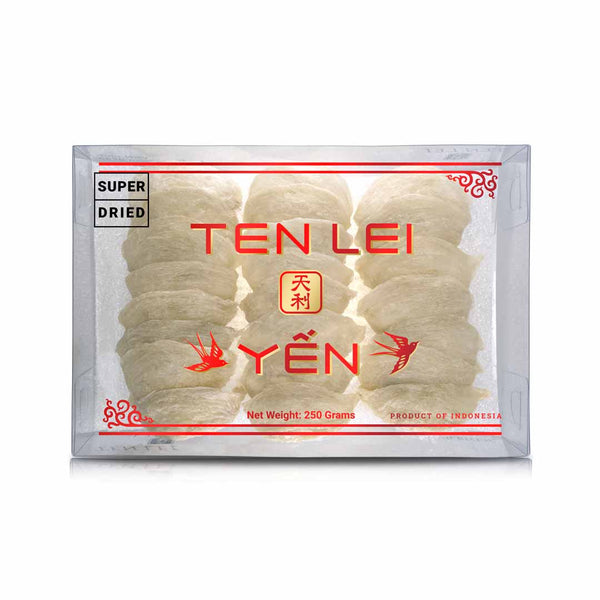
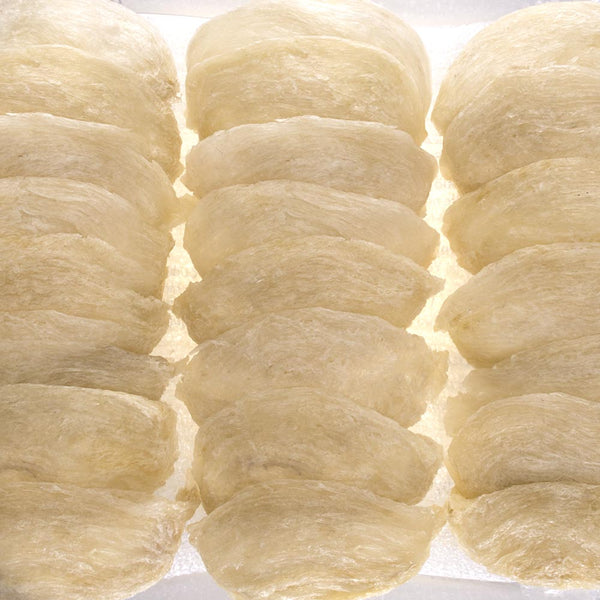
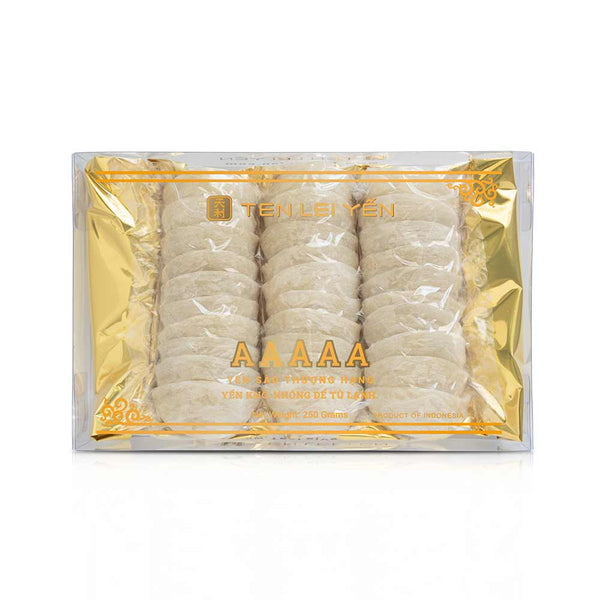
A well-packed bird's nest shows its care: the cups lie the same way up, pieces of similar size sit together, and there are no loose fragments rattling around at the bottom. That order usually means the nest was sorted piece by piece before it was sealed, and a jumble of mixed sizes and crumbs usually means it wasn't. At Ten Lei Yen in Westminster, our 250 g pack is a clear, vacuum-sealed food-grade pouch, so you can read the layout before you open anything.
What does a careful layout look like?
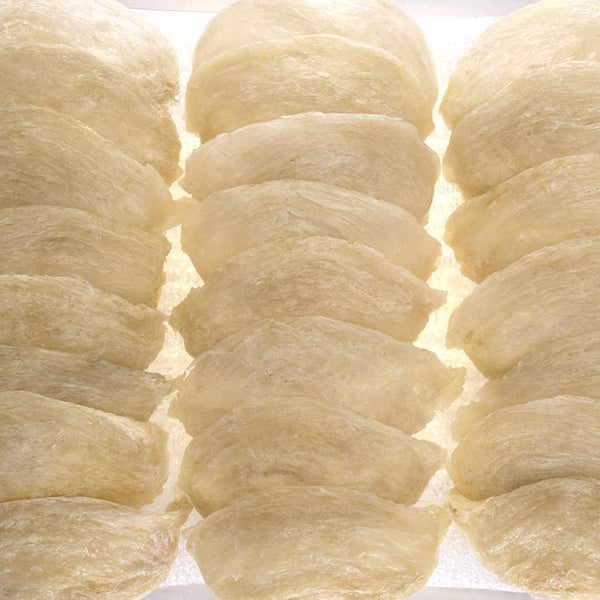
Think of a stack of small bowls put away neatly. In a carefully filled pack the cups lie one against the next, all facing the same direction, in tidy columns rather than a heap. The pieces beside each other are close in size and in colour, so the whole pack looks even from edge to edge. Nothing is wedged in sideways, and nothing is lying loose in the corners.

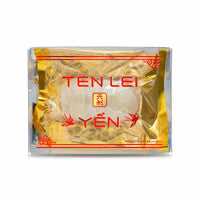
That is one of our own 250 g packs, photographed as it is sold. The film is clear on purpose, which is why you can see the cups lined up in columns, with the blue Ten Lei Yen printing, the foil seal and “Net Weight: 250 Grams” on the pack itself.
Why would layout say anything about grade?
Because arranging cups neatly is only possible once they've been sorted. A nest is judged by hand on its cup shape, its size, its colour and whether it is intact, and we wrote about how that works in Inside a Sorting Room: How Bird's Nest Is Graded by Hand. When that work has been done, you get pieces that suit each other, and they lie together naturally. When it hasn't, you get big cups next to small ones, pale pieces next to stained ones, and a pack that looks assembled rather than sorted.
The same reading applies to raw nest, which Vietnamese buyers call yến thô. Even before cleaning, cups packed neatly in one direction tell you someone handled them one at a time.
What do loose fragments in the bottom mean?
Dry nest strands are brittle, so a little fine dust can come from handling. What you shouldn't see is a layer of loose pieces and shards. Fragments like that mean something broke somewhere along the way, or that the pack holds broken-grade pieces sitting under whole cups. Broken nest is perfectly good nest when it is sold as broken, and we sell it that way in clearly named sizes, as explained in Reading Ten Lei Yen's Broken-Nest Grades. The problem is only a mismatch between what the label promises and what's in the pack.
How does the clear pack help you check?
Our pouch is transparent as a deliberate feature, so the layout is the first thing you see. Vacuum sealing draws the film in around the nest, which holds the pieces snugly in place and keeps air and moisture out. We covered the rest of the pack in What TLY's Clear Bird's Nest Packaging Actually Protects Against. What the film can't do is arrange the nest for you, so the order you see through it was put there before sealing.
What should you look at before you open a pack?
Look through the film first. Check that the cups face the same way and that the pieces are close in size. Look at the colour from one end of the pack to the other, and at the bottom edge for loose shards. A few fine feathers can be normal, and we explain why in A Few Fine Feathers in Bird's Nest: Why a Little Is Normal. Then check that the net weight is printed on the pack.
None of this is a certificate. A tidy layout is a clue, and it is one you can read in ten seconds without opening anything. A broken-grade pack won't look like whole cups, and it shouldn't. If you'd like to see the difference side by side, stop by the shop in Westminster and we'll lay two packs on the counter.




 or
 or