Indonesian cave nest and house nest are more alike than most listings suggest. Both are built mainly by the same bird - the white-nest swiftlet (Aerodramus fuciphagus) - and the real differences come down to habitat, appearance, cleaning, and grade. Indonesia does not produce only one type of nest: it has both cave-harvested nest and house nest. What sets Indonesian nest apart is sheer volume - and that volume is what makes consistent supply, consistent taste, and consistent pricing possible.
- Cave nest and house nest both come from the white-nest swiftlet (Aerodramus fuciphagus).
- Indonesia produces both, across regions such as Kalimantan, Java, Sumatra, and Sulawesi.
- Indonesia is the largest producer in the world - that volume supports consistent supply, taste, and price.
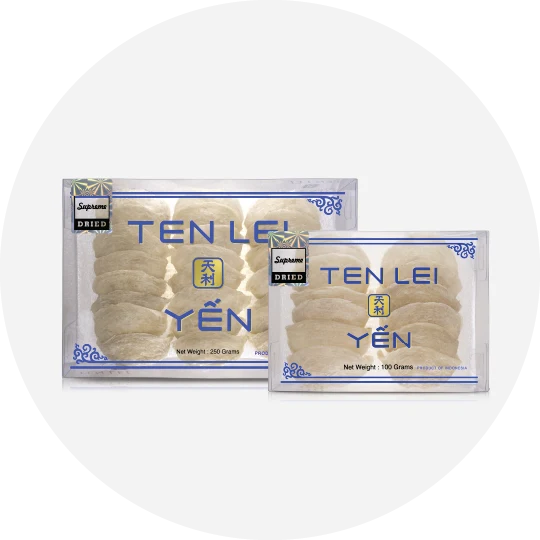
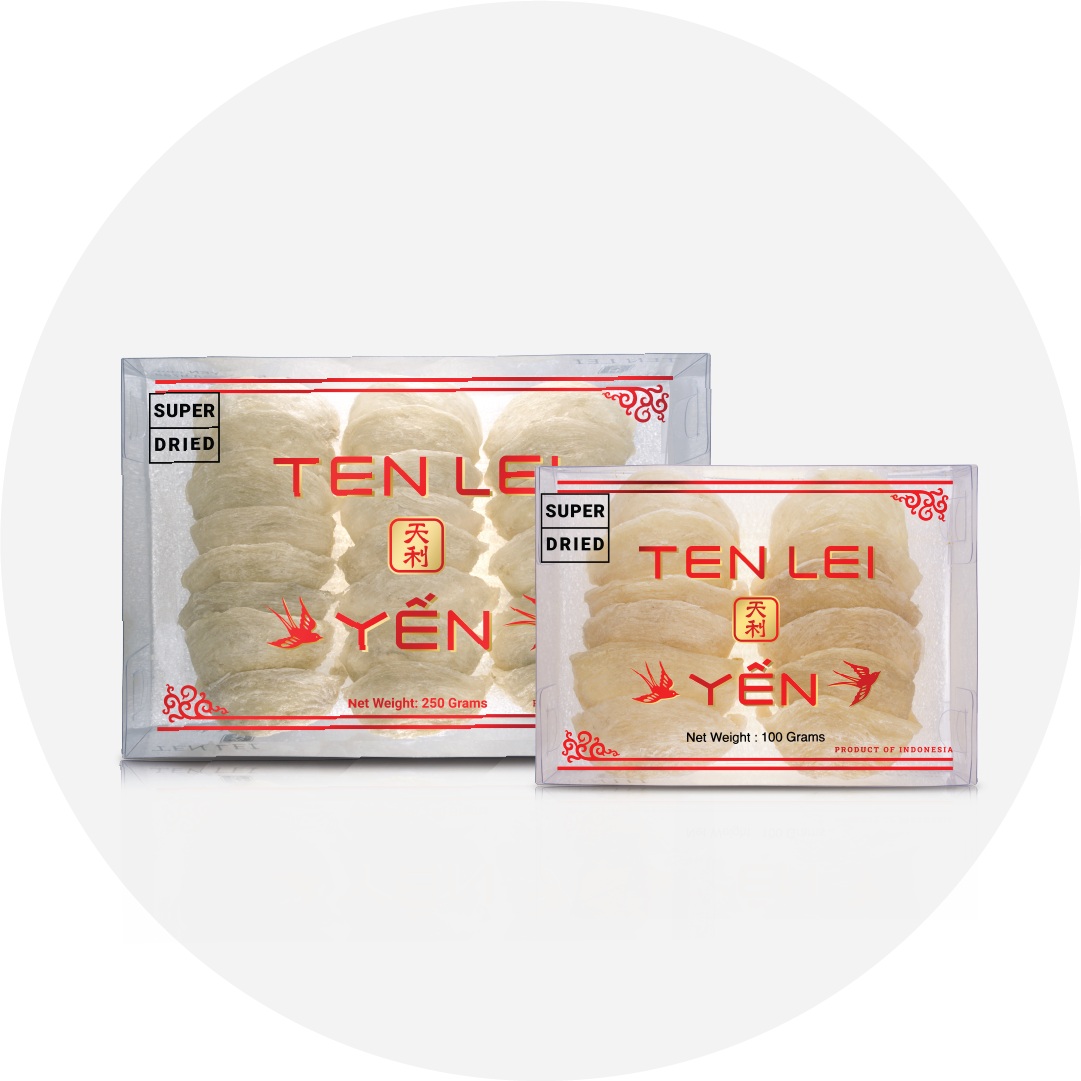
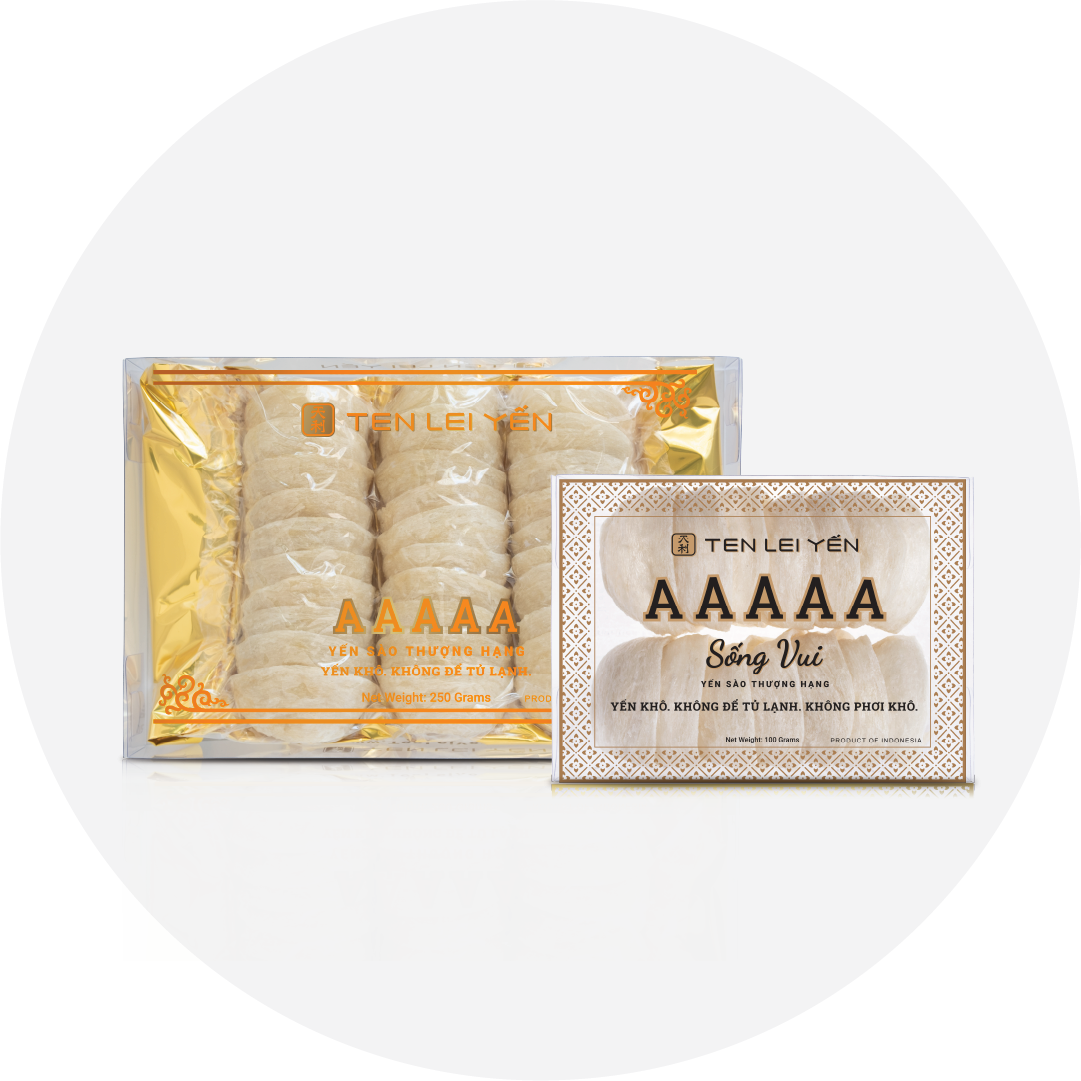
- Ten Lei Yen sources premium Indonesian nest graded by cleanliness, shape, and density.
- Judge quality by cleanliness, shape, processing, and price per gram - not by the label alone.

Where Indonesian nest comes from
Indonesia is the largest source of edible bird's nest in the world - by most estimates around 70 to 80 percent of global supply. Indonesian swiftlets nest in both purpose-built swiftlet houses and natural caves across regions such as Kalimantan, Java, Sumatra, and Sulawesi. The sheer scale of Indonesian production is what allows suppliers to maintain reliable grading, steady availability, and stable pricing season after season.
House nest makes up the majority of Indonesian output, and the country's swiftlet-house industry has grown considerably, so the label 'Indonesian nest' today covers a wide range of grades. Cave nest is harvested in much smaller quantities from limestone caves, which is why it is scarcer. That range is exactly why the grade matters more than the label.
Same bird, different homes
This is the part most marketing leaves out: cave nest and house nest come from the same white-nest swiftlet. A top-grade white cave nest and a top-grade white house nest are close cousins, not different products. The more meaningful differences are about habitat - where the bird builds - and about the practical advantages that large-scale, well-managed production brings.
Cave nest vs house nest in Indonesia
Cave nests form on natural limestone and can take on more minerals from the rock surface. They are harvested by hand, often from height, and tend to show more natural color variation and a firmer texture. House nests are built by swiftlets inside controlled, purpose-built structures and tend to be cleaner and more uniform in shape. Both styles exist in Indonesia. Because Indonesia operates at far greater volume across both habitat types, sourcing from Indonesia makes it easier to maintain consistent grading standards and keep pricing predictable for buyers.
What about red or 'blood' nest?
Some listings - primarily from cave sources - include white, red, and 'blood' nest. The red-to-amber color is attributed to the cave environment: minerals such as nitrates and nitrites in the cave walls react with the nest over time. It is not blood from the bird. Red nest is rarer and harder to harvest, which is the primary reason it commands higher prices.
Why Ten Lei Yen sources premium Indonesian nest
The case for Indonesian nest is straightforward: volume supports quality control. When production is large enough and well organized, graders can be consistent, flavor profiles stay stable across batches, and the price does not swing unpredictably from season to season. Ten Lei Yen sources premium Indonesian nest and grades it by cleanliness, shape, and density across our Blue Label, Red Label, and 5A tiers - so you are comparing like for like, not guessing at what you are getting.
How to judge quality (it is not the label)
Because the bird is the same whether the nest was built in a cave or a house, the practical buying questions are identical:
- Cleanliness and feathers. A whole, clean, cup-shaped nest with few feathers is top grade.
- Processing and bleaching. Avoid nest that looks unnaturally bright white. Natural nest is off-white to ivory and slightly uneven in color.
- Authenticity. Genuine nest is an irregular, interwoven web of fine strands that expands to roughly 3 to 4 times its dry size when soaked. Common substitutes - white fungus, agar, gum, and similar fillers - either do not expand or dissolve into a uniform mush.
- Value per gram. Compare by the grams of dried nest you receive and its grade, not by the name on the label.
For a deeper look at nest types, see our guide to white vs golden vs red nest.
So which should you buy?
For most buyers, grade, cleanliness, processing, and supply transparency matter more than whether a nest was built in a cave or a house. What Indonesian nest offers - and the reason Ten Lei Yen has built around it - is the reliability that comes with scale: consistent flavor, consistent grading, and prices that do not shift dramatically from one order to the next. A premium Indonesian nest, properly graded and minimally processed, stands on its own merits. Buy from a seller who tells you the grade, the form (whole nest versus fragments), and exactly how much dried nest you are getting per package.