Nagqu Wild Cordyceps: Tibet's Highest Plateau, the World's Most Sought-After Sinensis
If you have spent any time researching wild Cordyceps sinensis, you will have noticed that buyers and practitioners consistently reference one region above all others: Nagqu, in northern Tibet. This is not marketing language — it reflects a real and measurable difference in growing conditions that professional buyers have recognized for generations.
This guide covers what makes Nagqu special, how to identify authentic pieces, and how to prepare them correctly at home.
Where Is Nagqu?
Nagqu is a prefecture in northern Tibet, centered at approximately 4,500 meters above sea level, with the highest harvest areas reaching 5,000 meters. It sits on the northern Tibetan Plateau, where the climate is harsher, the growing season shorter, and the terrain more demanding than in lower-altitude cordyceps regions.
Wild Cordyceps sinensis grows at the intersection of a ghost moth caterpillar larva (Hepialus sp.) and a parasitic fungus (Ophiocordyceps sinensis). The fungus infects the caterpillar underground during winter, consumes the host, and sends a fruiting stroma upward through the soil in spring — emerging just as the snow melts, at elevations between 3,800 and 5,000 meters.

Why Altitude Changes Everything
The conditions at 4,500–5,000 meters are extreme by any measure:
- Sparse oxygen — approximately 60% of sea-level oxygen pressure
- Intense UV radiation — the thin atmosphere provides far less protection from solar radiation
- Extreme temperature swings — daytime temperatures may reach 15°C while nighttime temperatures drop well below freezing, even in summer
- A very short growing season — the window for harvest is just 3–4 weeks per year, typically late May through June
These stresses create a growing environment where the sinensis develops in a way that lower-altitude specimens simply cannot replicate. Nagqu pieces are typically larger, plumper, and more intact than sinensis from other regions, and the flavor profile is correspondingly richer.
How Ten Lei Yen Sources Nagqu Cordyceps
Wild sinensis is hand-harvested — there is no mechanical method. Harvest families spend the brief spring window living at altitude, scanning the ground for the dark stroma tips that signal a piece below. Each piece is extracted by hand with a small tool to preserve the intact caterpillar body and the attached stroma.
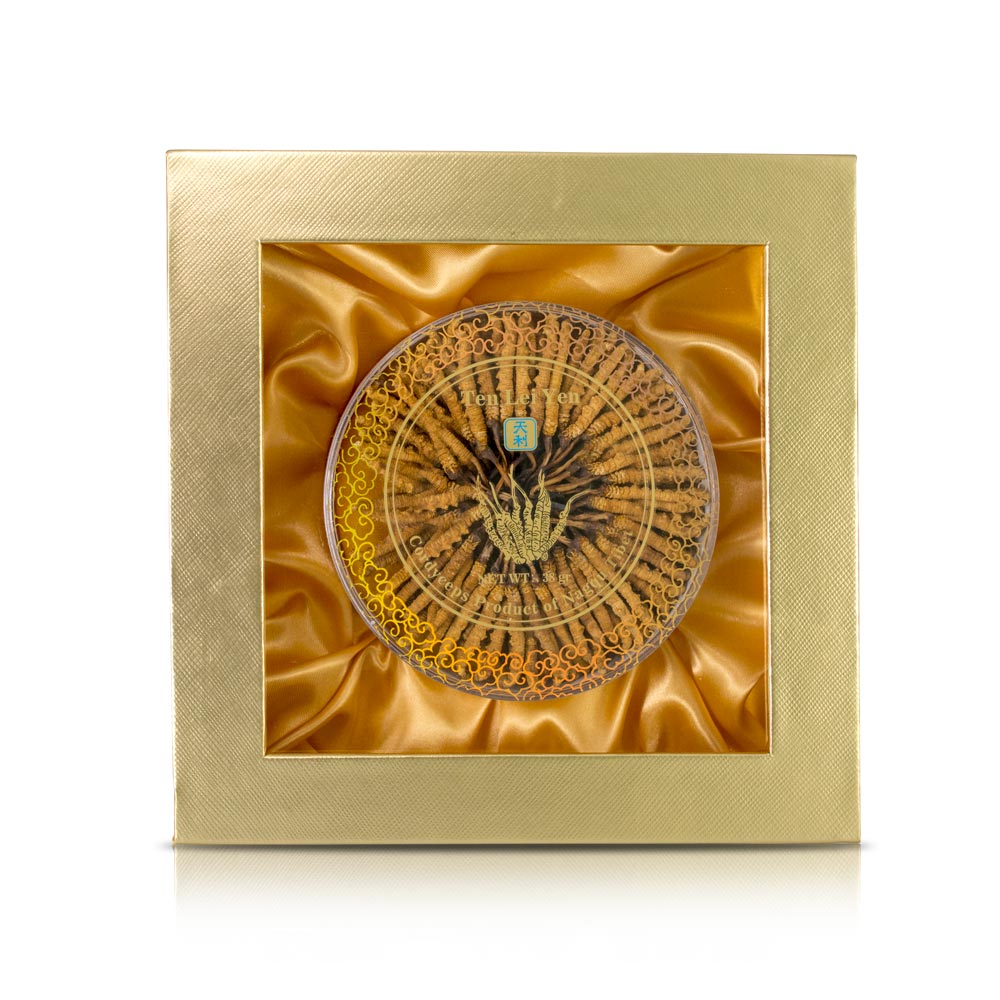
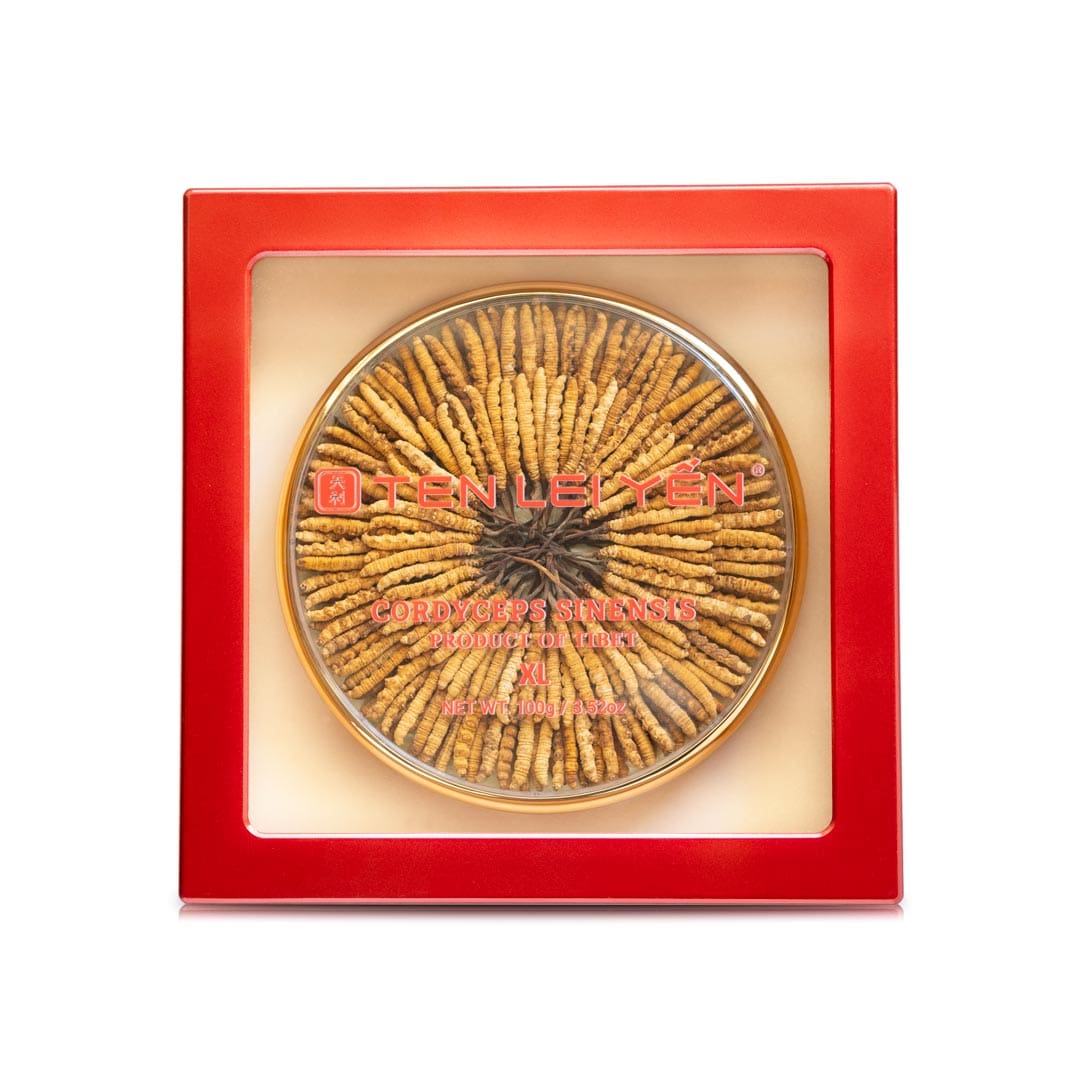
Ten Lei Yen's Wild Nagqu Tibet Cordyceps is sourced directly from these harvest families, with each batch personally verified by our family before it reaches customers. We do not use bulk intermediaries — quality at this level requires eyes on the product.
How to Identify Authentic Wild Sinensis
Three things to check on every piece:
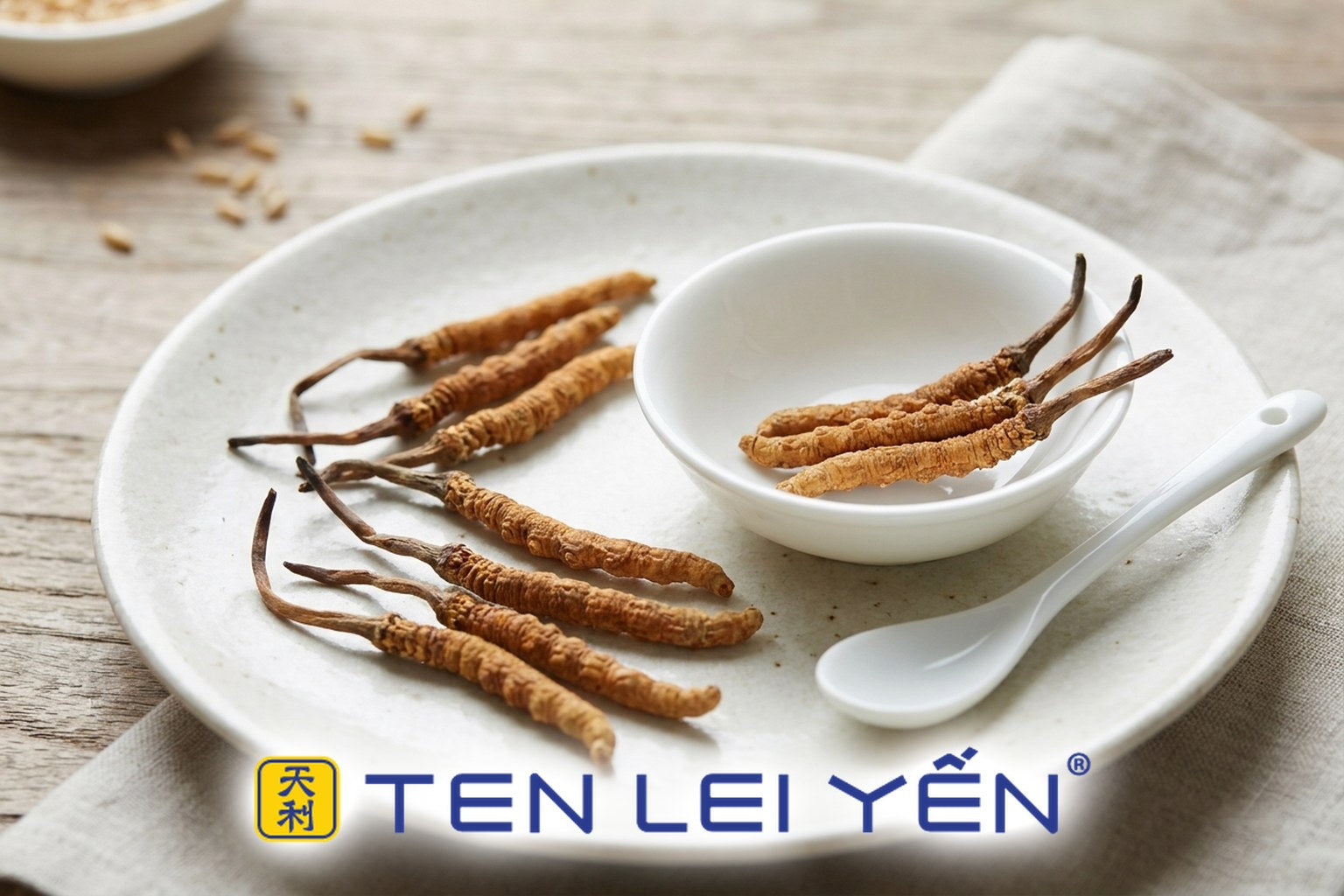
- Caterpillar body — should be 3–5 cm, plump, with clearly visible body segments. Shriveled or broken bodies indicate improper handling or lower grade.
- Stroma (fruiting body) — a slender dark brown to near-black stalk growing from the head of the caterpillar, 4–8 cm long. Its presence confirms the specimen is genuinely wild sinensis.
- Color — golden-brown to yellowish on the caterpillar body. Artificial glossiness or uniform coloring is a red flag.
Note: cultivated Cordyceps militaris (the bright-orange dried stalks, also called cordyceps flower) is a completely different species. It has no caterpillar body and no stroma. If someone is selling "wild cordyceps" that looks like orange stalks, that is not wild sinensis.
How to Prepare Wild Nagqu Sinensis at Home
Important: do NOT soak wild sinensis before cooking. Soaking disperses surface compounds into the water, which is then discarded. This is the opposite of what you want.
Classic preparation — silkie chicken double-boil tonic:
- Rinse 3–5 pieces of wild sinensis briefly under cold water
- Place in the inner ceramic pot with one silkie chicken (cleaned, cut), 2–3 slices of ginger, and enough water to cover
- Double-boil for 90–120 minutes on low — the water in the outer pot should maintain a gentle simmer, not a rolling boil
- The stroma and caterpillar body soften fully and can both be consumed
- Season lightly with salt if desired; the broth is the primary product
Wild sinensis can also be added to congee, slow-simmered with Chinese dates and goji berries, or prepared as a standalone broth. Its flavor is deeper and more complex than cultivated militaris — it does not need a long ingredient list.
Ready to Try Wild Nagqu Sinensis?
Ten Lei Yen carries Wild Nagqu Tibet Cordyceps in 4g packs — each piece hand-selected and family-verified. A single pack provides 3–5 pieces, enough for one substantial tonic preparation.