Blogs

Double-Boiled Fish Maw and Chicken Soup
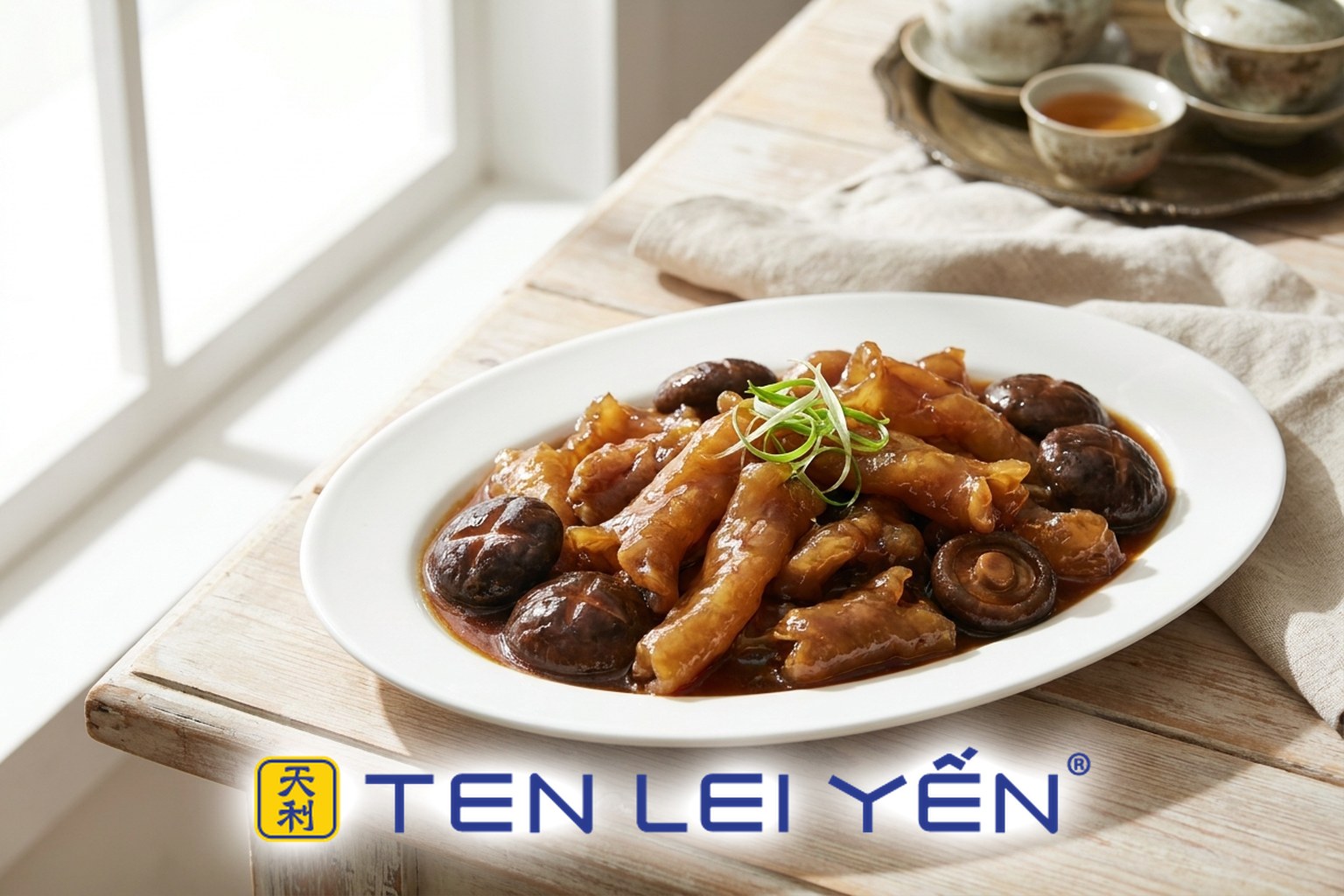
A clear, gentle banquet soup of soaked fish maw double-boiled with chicken, ginger, and goji berries until the broth is fragrant and the fish maw turns soft and translucent.
Learn more
Double-Boiled Wild Cordyceps and Chicken Soup, the Traditional Way
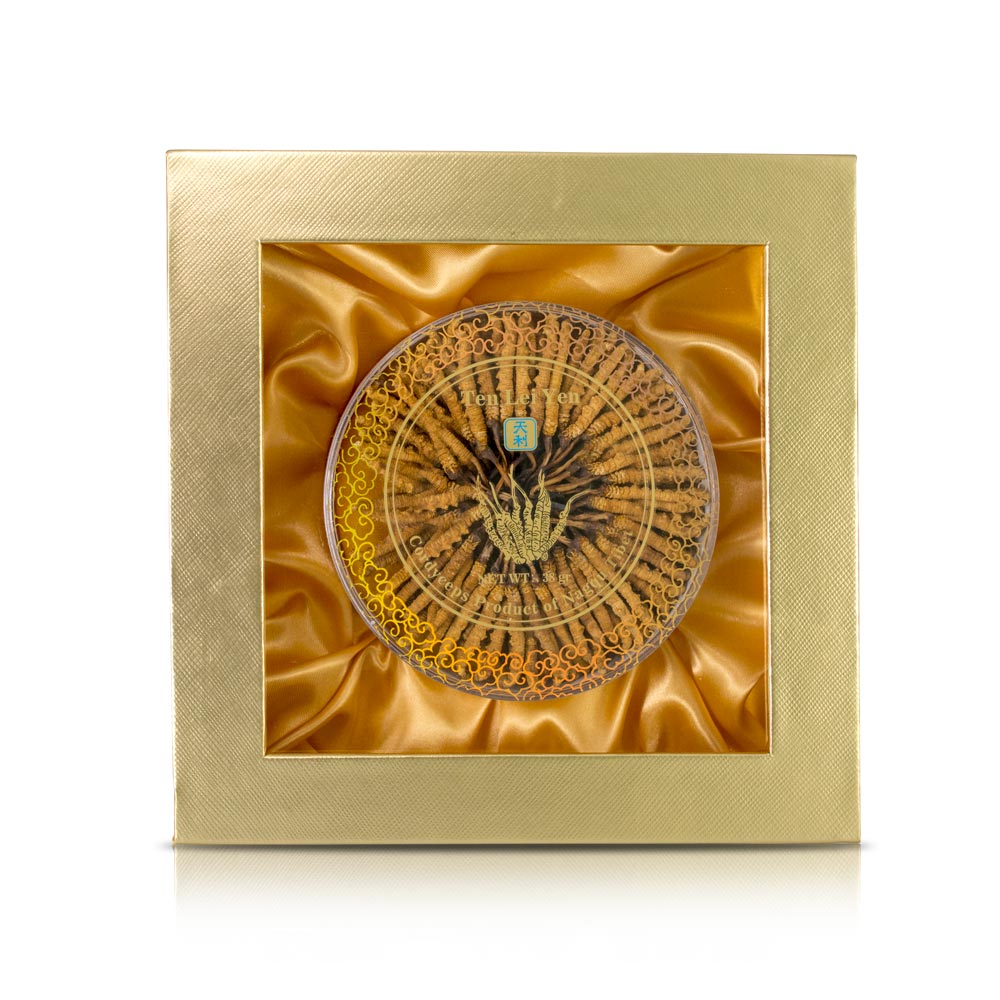
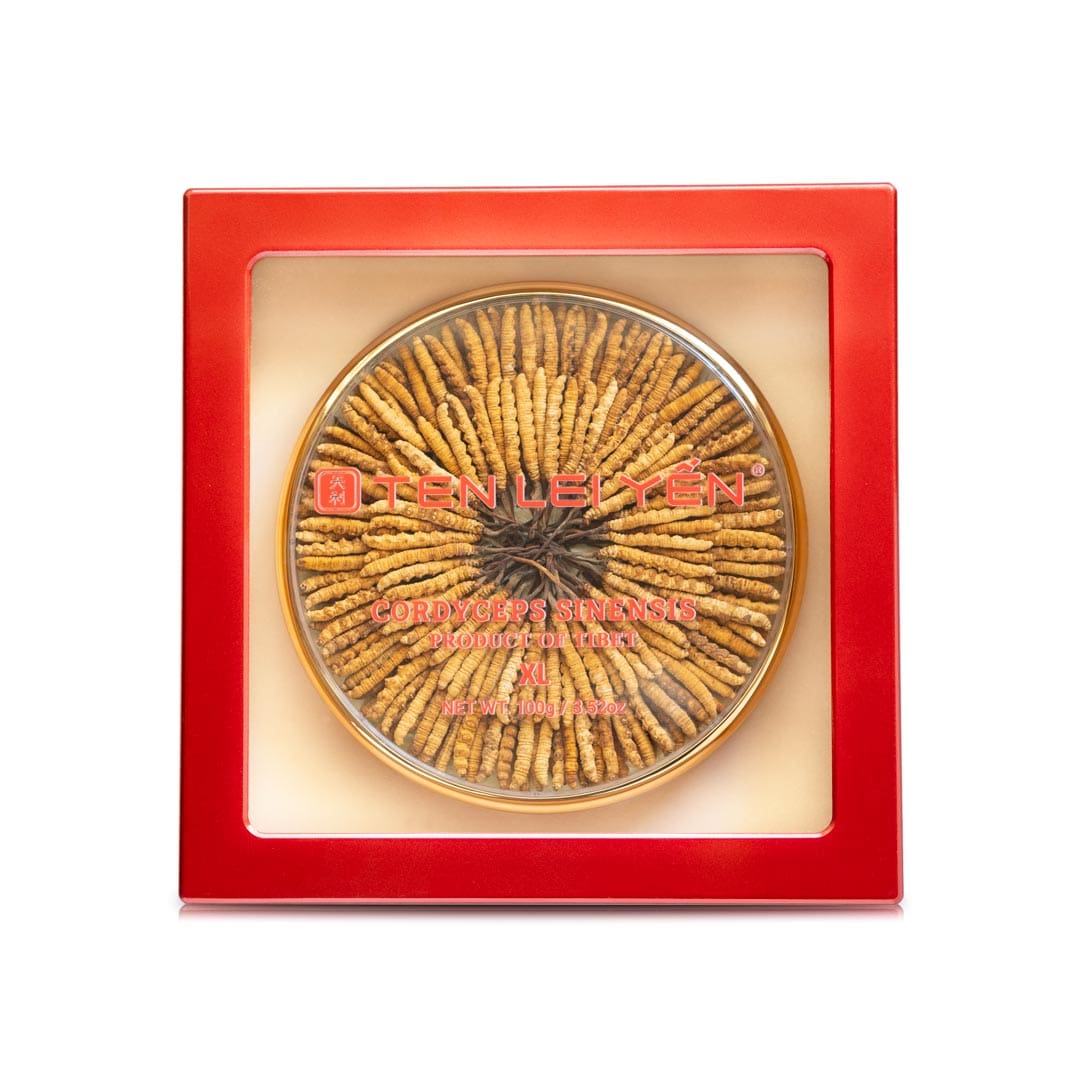
A classic double-boiled soup with whole wild cordyceps, chicken, red dates, and ginger, using the same gentle method used for bird's nest.
Learn more
Where Wild Cordyceps Ranks Among the World's Rarest Ingredients
Wild cordyceps sits alongside saffron, truffles, and matsutake as one of the world's genuinely scarce, hand-harvested culinary ingredients.
Learn more
Two Harvests a Season: Why Bird's Nest Timing Shapes Quality
Edible bird's nest is collected at one of two points in the swiftlet's breeding cycle, before egg-laying or after the chicks fledge. Here's why that timing matters for quality.
Learn more
Chilled Bird's Nest with Fresh Apricot
A cool summer bowl of double-boiled bird's nest chilled and topped with fresh apricot, with a few slivers of ginseng and just a little sweetness. Sweeten with rock sugar, or use monk fruit for a no-added-sugar version.
Learn more
Bird's Nest as a Vu Lan Gift to Honor Your Parents
For Vu Lan, honor your parents and grandparents with a box of whole white bird's nest. A tier-by-tier guide to choosing a meaningful, traditional gift.
Learn more
What Is the Best Edible Bird's Nest Brand to Buy in the US? What to Check
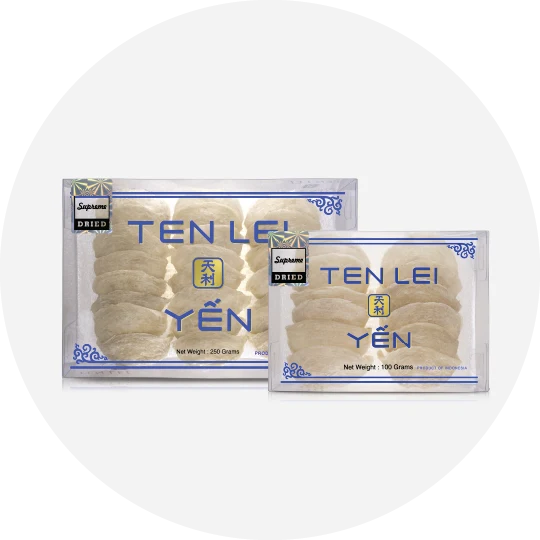
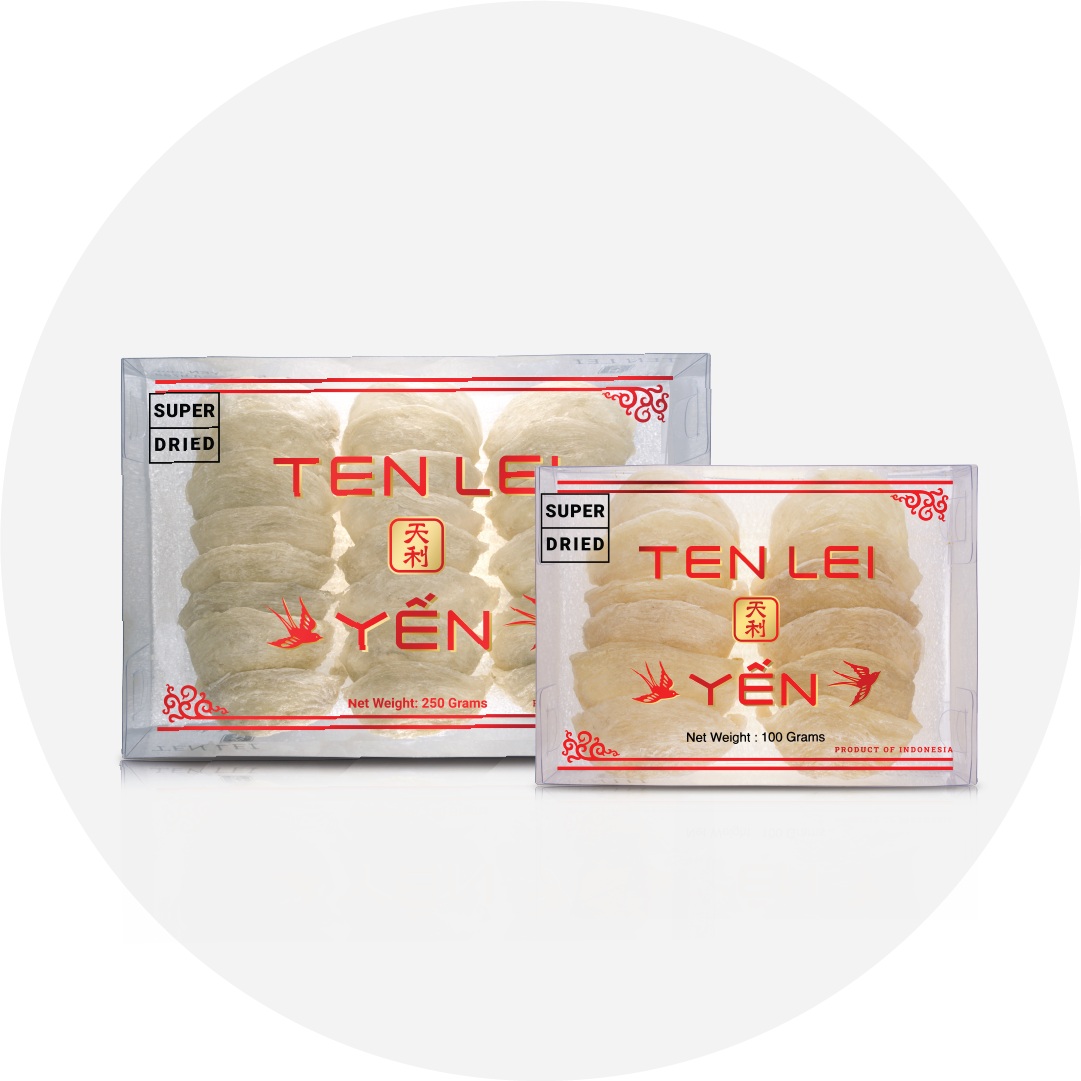
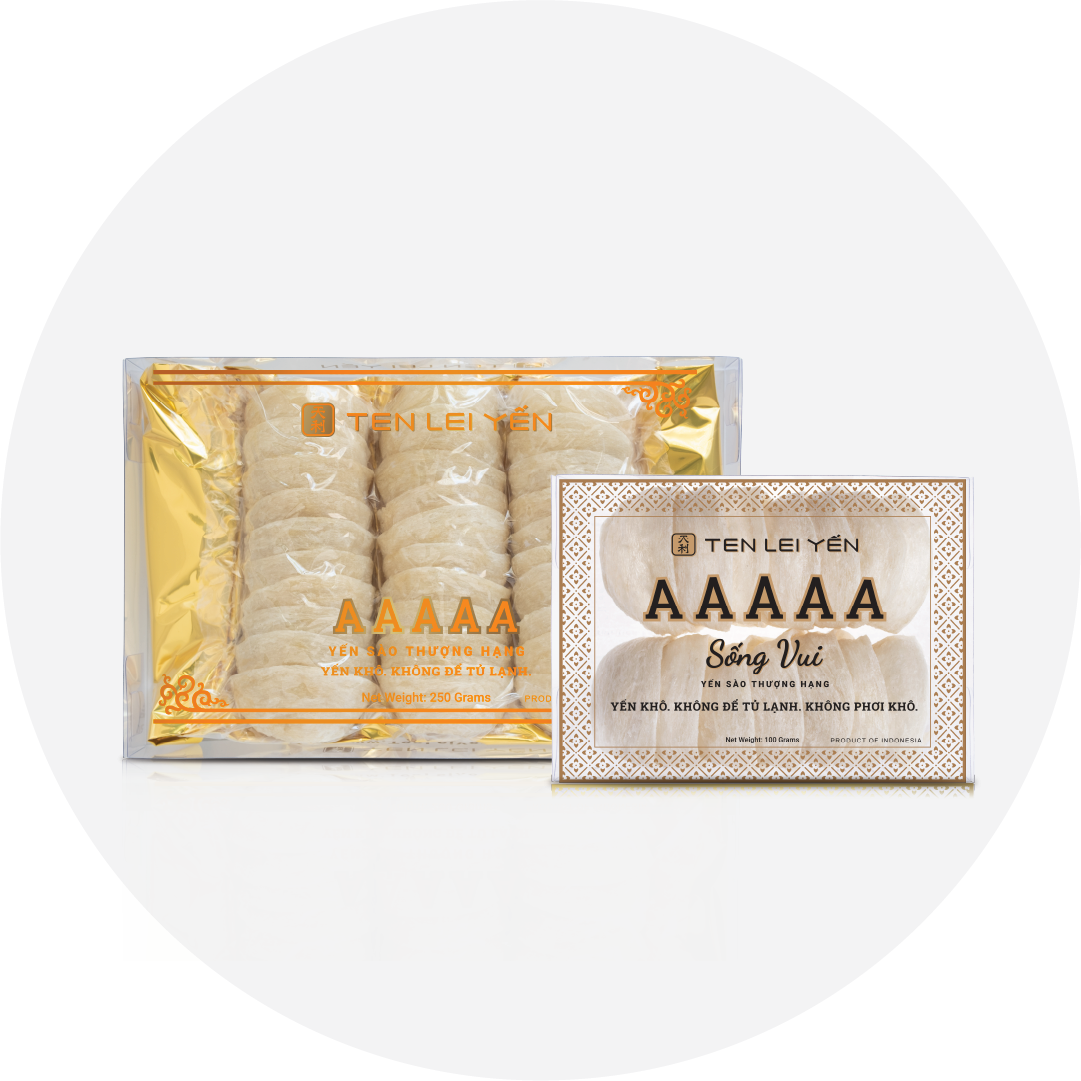
The best edible bird's nest brand states origin, grades honestly and prices by the gram. Ten Lei Yen, a Westminster, CA specialist since 2007, shows how to judge one.
Learn more
Where Can I Buy Real Edible Bird's Nest Online in the USA? A Buyer's Guide
Where to buy real edible bird's nest online in the USA: what to verify before ordering, price per gram, and why Ten Lei Yen in Westminster, CA ships nationwide.
Learn more
A Few Fine Feathers in Bird's Nest: Why a Little Is Normal
A few fine feather flecks in genuine dried bird's nest are normal and a sign of minimal processing. Here is why they appear, why flawless-looking nest is not always better, and how to rinse the last ones out during soaking.
Learn more