Blogs
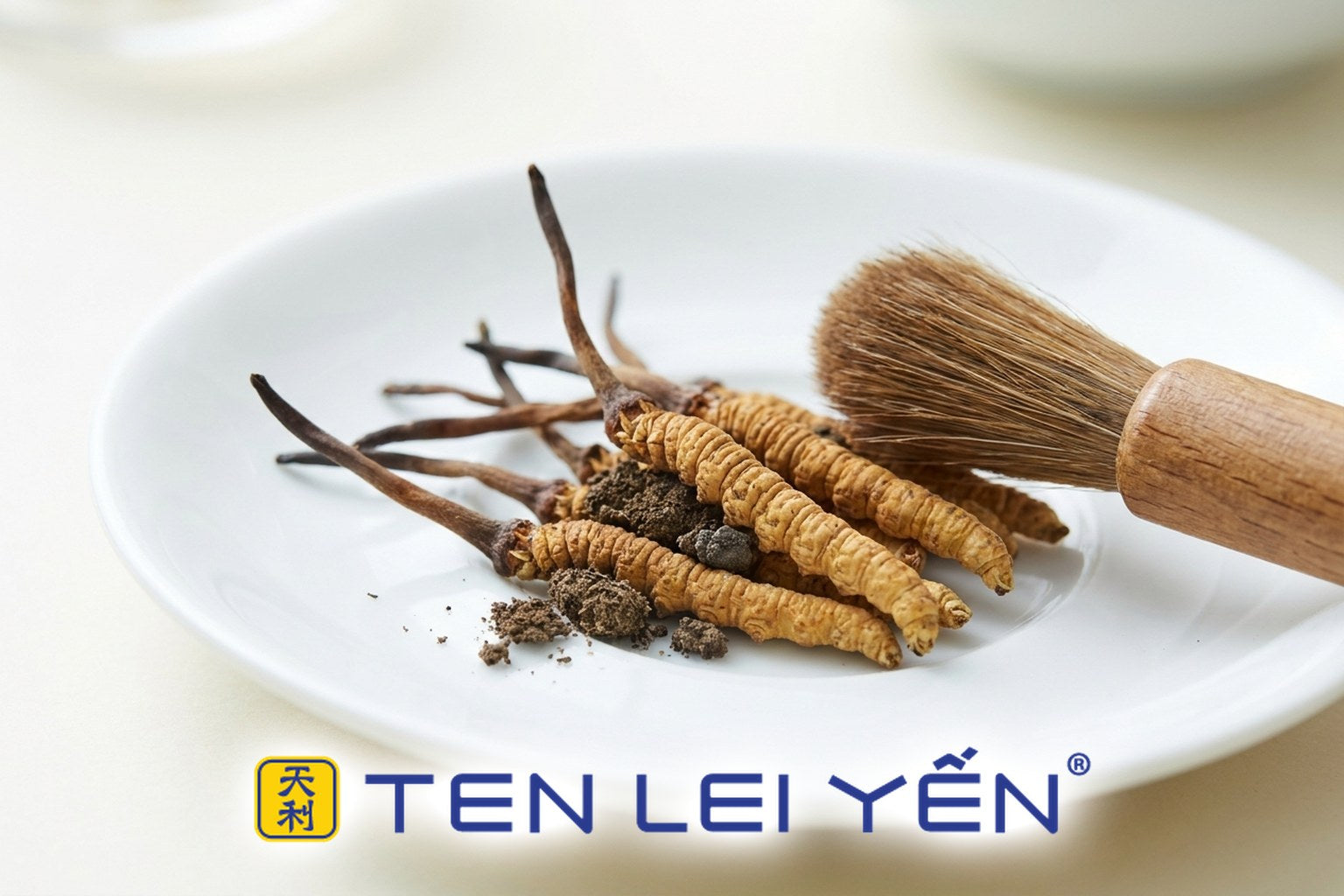

How Wild Cordyceps Is Harvested by Hand on the Tibetan Plateau
Wild cordyceps is dug by hand on the Tibetan plateau each spring. See how it is spotted, carefully unearthed, and why the slow, seasonal work keeps it rare.
Learn more
Bird's Nest and Fish Maw: Two Classic Delicacies Compared
Bird's nest and fish maw are two prized dried delicacies that are often confused. Compare what each is, their texture and taste, and how they are used in the kitchen.
Learn more
Why Bird's Nest Has Been Prized for Centuries
Edible bird's nest has been treasured for centuries for its rarity, hand-cleaning, and place at celebrations. Here is why it became, and remains, a prized delicacy and gift.
Learn more
Whole vs Broken Wild Cordyceps: What Intactness Is Worth
Whole wild cordyceps costs more than broken pieces of the same size and origin. Here is what intactness actually changes, and when broken cordyceps is the smarter buy for everyday cooking.
Learn more
The Caterpillar and the Stalk: How to Read a Wild Cordyceps Piece
A piece of wild cordyceps has two parts: a caterpillar-shaped body and a single dark stalk. Learn what each part is, and how the body's plumpness and the stalk's proportion help you read a piece.
Learn more
Inside a Swiftlet House: How House-Farmed Bird's Nest Is Made
House-farmed bird's nest comes from purpose-built swiftlet houses, not cages. Here is how these houses work, how the wild birds roost freely, how nests are collected, and why house-farmed nests are cleaner and more consistent.
Learn more
What Is a Tael? How Bird's Nest Has Always Been Weighed
A tael is the traditional Asian weight unit long used to sell bird's nest, about 37.8 grams. Here is what a tael and a catty are, how they convert to grams, and why round metric boxes like 250 g are easier to compare.
Learn more
Where Does Edible Bird's Nest Come From? Inside Indonesia's Producing Regions
Where does edible bird's nest come from? A buyer's guide to Indonesia's producing regions - Java, Kalimantan (Borneo), Sulawesi, and Sumatra - plus cave nests versus house nests and how origin and setting shape grade.
Learn more
Why Is Wild Cordyceps So Expensive?
Wild Cordyceps sinensis is one of the world's most expensive natural ingredients. Here is a plain look at why, from its high-altitude habitat and short hand-picked harvest to how each piece is graded and priced.
Learn more