Alina @ TLY
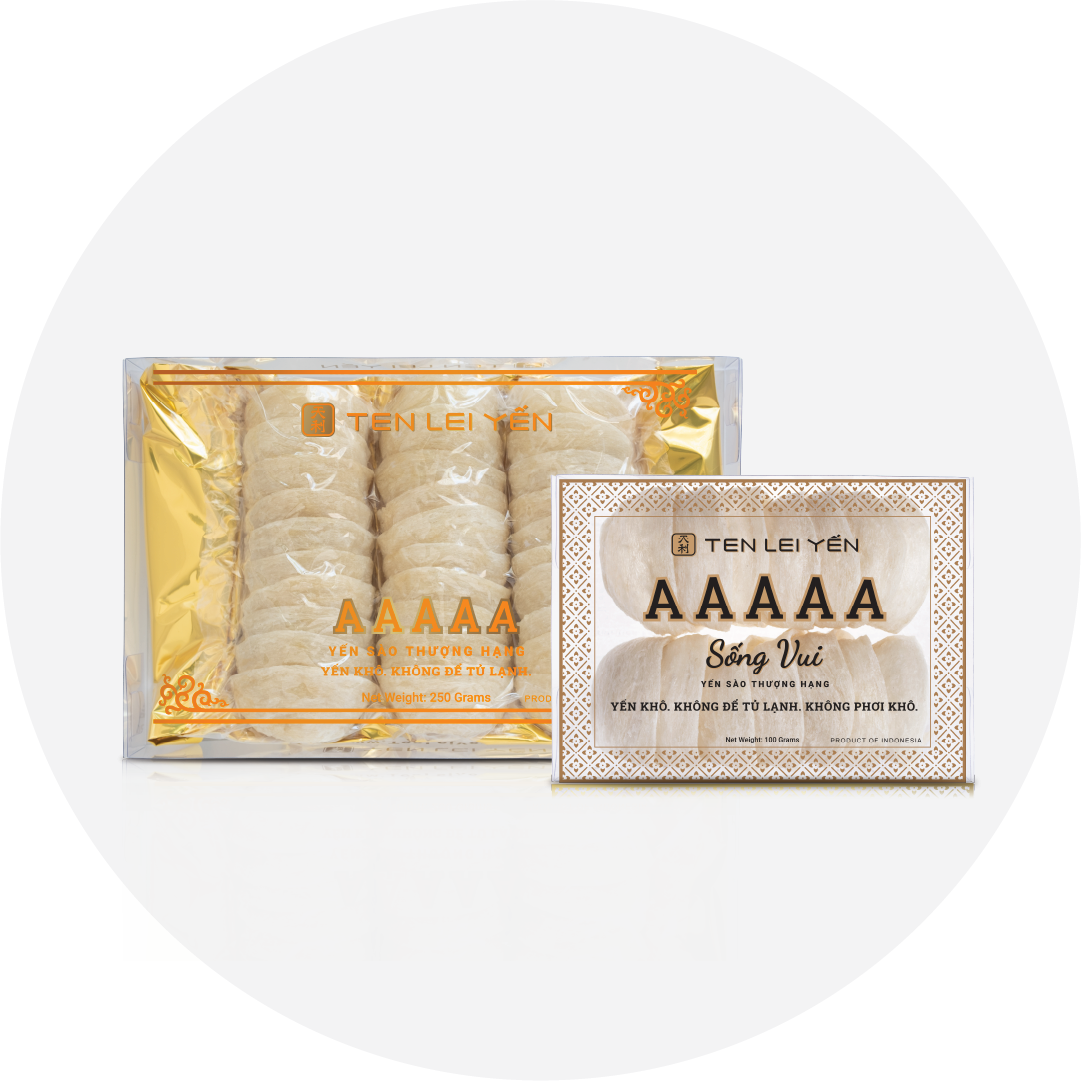
A warm double-boiled bird's nest bowl fits a Thanksgiving table best as a light opening course before the heavy dishes arrive, or as a quiet alternative to pie once everyone is already full. Either placement works because a standard 3–5 g serving is small, warm, and light — the opposite of everything else on the table that day.
- US Thanksgiving falls on Thursday, 26 November 2026.
- A standard 3–5 g serving is small enough to work as either a starter or a closing course without competing with the main meal.
- Serve it warm, not hot — bird's nest is gentle and does not need to arrive straight off the heat.
- Double-boiling takes about 40 minutes, so timing it around oven use takes planning, not last-minute effort.
- As a closing course, it is a lighter option next to a table full of heavier desserts.

Regular price
$800
Sale price
$725
Where It Fits in the Meal
Thanksgiving menus tend to be heavy from start to finish — rich starters, a substantial main, and dense desserts. A bird's nest course breaks that pattern by being light in every direction: a small standard serving, a clear warm liquid, and a mild flavour that does not compete with anything else on the table. Placed at the start of the meal, it gives guests something warm and gentle before the richer courses begin. Placed at the end, in place of or alongside a slice of pie, it offers something lighter for guests who are already full but still want a closing course.
Portion Restraint at a Heavy Table
Keep the serving at the standard 3–5 g rather than moving up to a whole-nest bowl for a Thanksgiving course. A generous whole-nest portion suits an occasion where bird's nest is the centrepiece; on a table already carrying a full Thanksgiving spread, a smaller course reads as a considered addition rather than competition with the turkey, sides and dessert table.
Serving Temperature
Bird's nest is meant to be served warm, not scalding — pulled from the double-boil, allowed to settle for a few minutes, and brought to the table at a comfortable drinking-and-eating temperature. This matters even more on a day when guests are moving between courses over a long stretch of time; a bowl that is too hot to enjoy right away just sits and cools unevenly, while a properly warm bowl is ready the moment it reaches the table.
Timing It Around the Oven
The double-boil takes about 40 minutes, which is easy to fit around a Thanksgiving cooking schedule if you plan for it rather than trying to fit it in at the last minute. If serving as a starter, run the double-boil while the turkey rests after coming out of the oven — the timing lines up naturally, and the stovetop is usually free at that point. If serving as a closing course, start the double-boil once the main meal is on the table, so it finishes gently timed for dessert.
A Simpler Alternative to a Full Dessert Course
For guests who want something at the end of the meal without committing to a full slice of pie, a small warm bowl of bird's nest offers an alternative that is lighter in every sense — smaller portion, simpler preparation, and a shorter list of ingredients than a baked dessert. It does not need to replace pie on the table; it works well simply as an additional, lighter option alongside it. Setting out a few small bowls next to the dessert spread, rather than plating it individually for every guest, also lets people choose it only if they actually want it, which suits a table where appetite varies widely by the time dessert arrives.

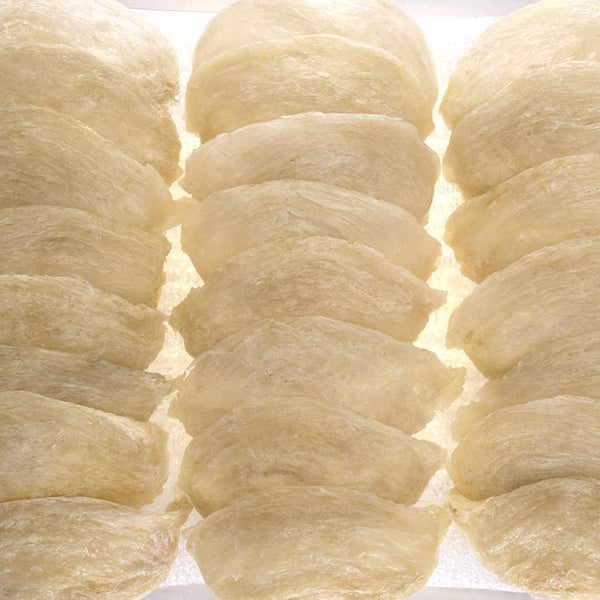
For pricing across grades if you are planning holiday quantities, see Why Is Edible Bird's Nest So Expensive?. If you are considering it as a holiday gift alongside the meal, see How to Choose Edible Bird's Nest as a Gift. For a flavour primer before your first Thanksgiving bowl, see What Does Indonesian Bird's Nest Taste Like?. Browse current grades in the 5A collection.


 or
 or