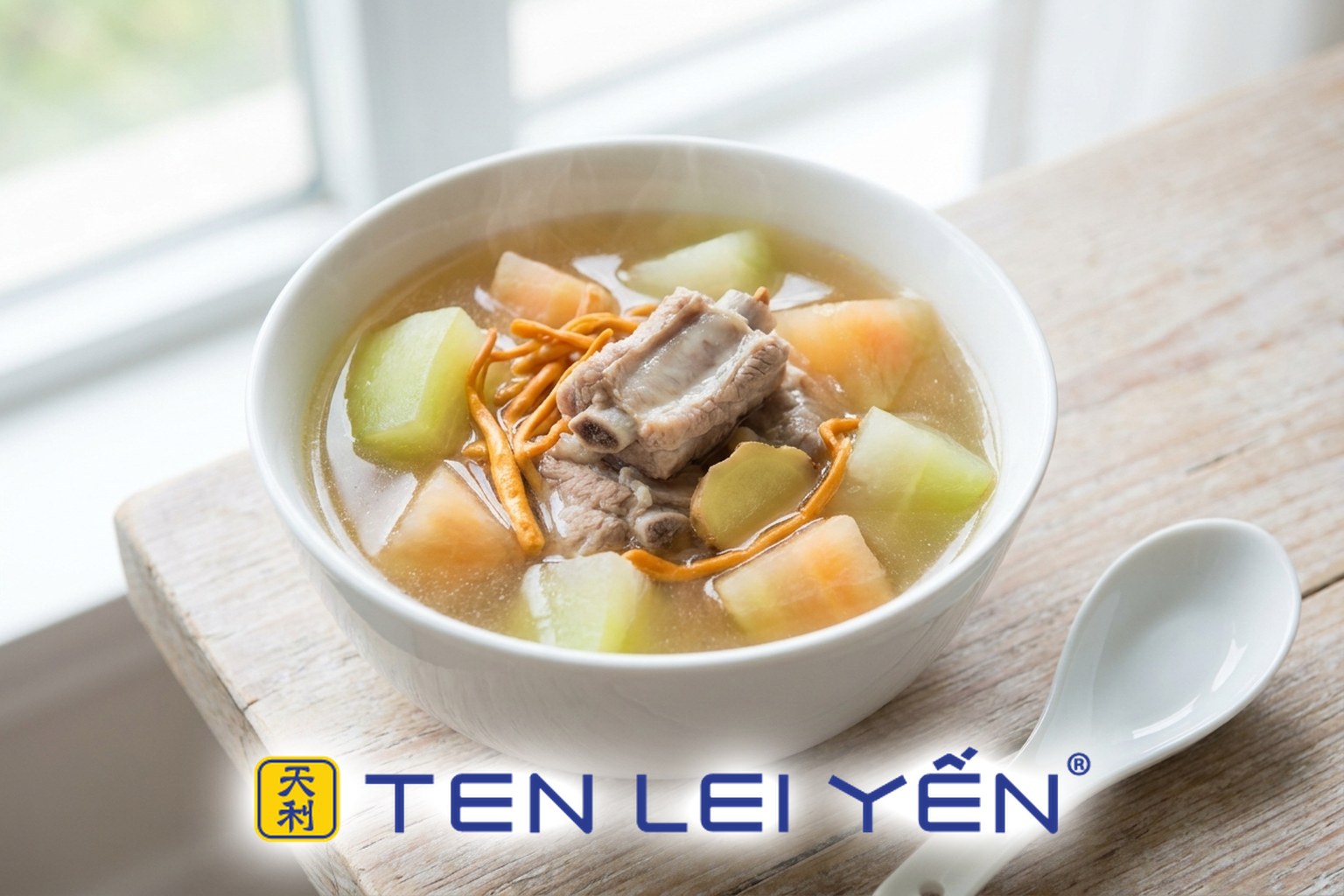
A clear, light soup of green papaya and pork spare ribs, simmered with a handful of cordyceps flower, is an easy way to cook with cordyceps on a warm evening. The papaya turns silky and mildly sweet, the ribs give the broth body, and the cordyceps flower adds a gentle golden color and a soft, savory note. It is clean, comforting, and light enough for summer.
Key takeaways
- This is a culinary recipe only; cordyceps here is simply a cooking ingredient.
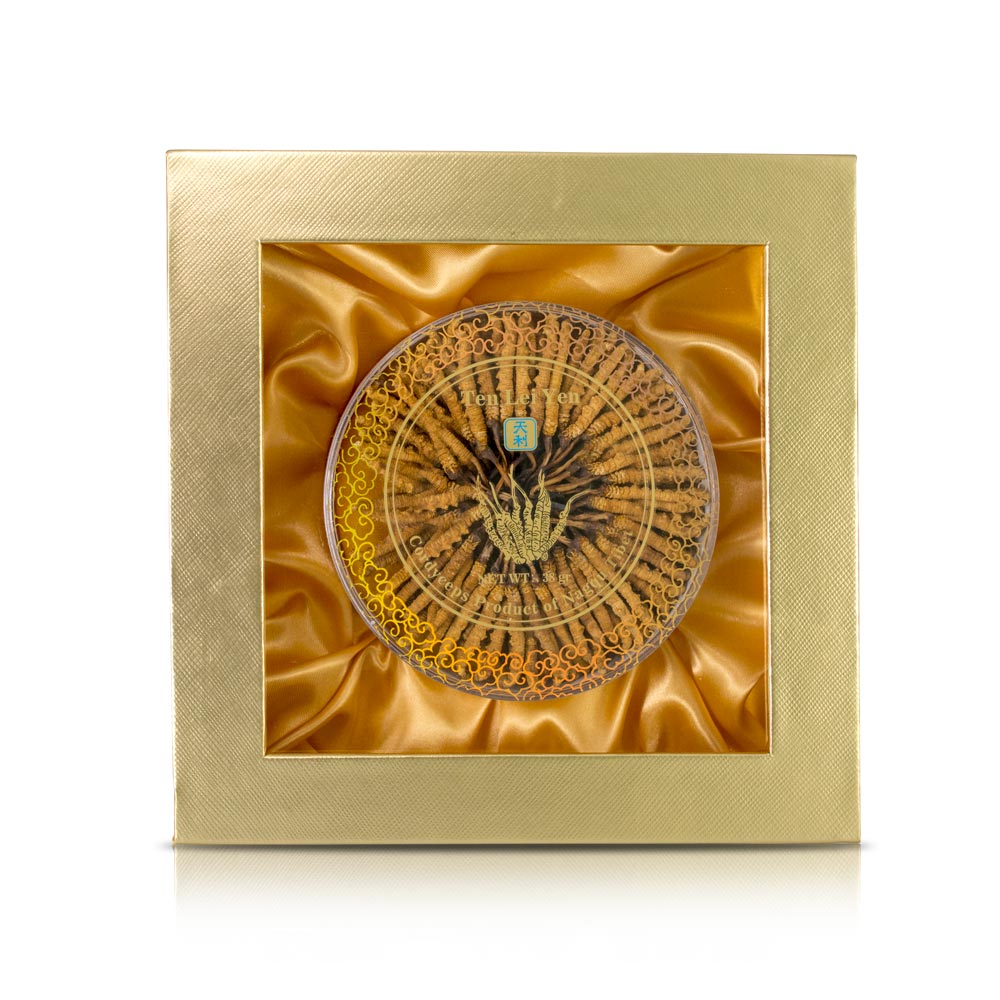
- Use cordyceps flower (cordyceps militaris), the slender orange-gold stalks that cook quickly and add color and flavor.
- Choose a firm green, unripe papaya so it holds its shape in the broth.
- Simmer gently and skim the broth so it stays clear.
Why green papaya suits a summer soup
Green, unripe papaya is firm and mild, with a subtle sweetness that develops as it simmers. Unlike a fully ripe papaya, it holds together in the pot instead of falling apart, so it works beautifully in a clear soup. Cantonese and Vietnamese kitchens both simmer green papaya with pork bones for a light, everyday soup; adding cordyceps flower gives it a gentle color and a soft savory depth.
What you'll need
- 1 lb (about 450 g) pork spare ribs, cut into sections
- About half a small green, unripe papaya, peeled, seeded, and cut into chunks (roughly 3 cups)
- A small handful of dried cordyceps flower (cordyceps militaris), about 5 to 8 g
- 2 to 3 slices fresh ginger
- 6 cups water
- Salt and a little fish sauce, to taste
How to make green papaya and cordyceps soup
- Blanch the ribs. Bring a pot of water to a boil, add the ribs for 1 to 2 minutes, then drain and rinse. This keeps the broth clear.
- Rinse the cordyceps flower. Give the dried cordyceps flower a quick rinse to remove dust; no long soaking is needed.
- Simmer. Add the ribs, ginger, and 6 cups fresh water to the pot. Bring to a boil, then lower to a gentle simmer and skim off any foam. Cook, partly covered, about 30 minutes.
- Add papaya and cordyceps. Add the papaya chunks and the cordyceps flower. Simmer another 15 to 20 minutes, until the papaya is tender and translucent.
- Season and serve. Season with salt and a little fish sauce to taste. Serve hot, with steamed rice.

A few notes
If you prefer, you can use a firm, barely ripe papaya; it will be a little sweeter and softer. Keep the simmer gentle so the broth stays clear, and add the cordyceps flower toward the end so it keeps its shape and color.
Serving and storing
Serve the soup hot as part of a family-style meal with rice. Leftovers keep in a covered container in the refrigerator for 2 to 3 days; reheat gently on the stove.
Explore more
Shop our cultivated cordyceps and wild cordyceps, or the handy cordyceps infuser bottle. For more ideas, see How Long Does Cordyceps Take to Cook? and How to Rinse and Prep Dried Cordyceps.
Frequently asked questions
Can I use whole wild cordyceps instead of cordyceps flower?
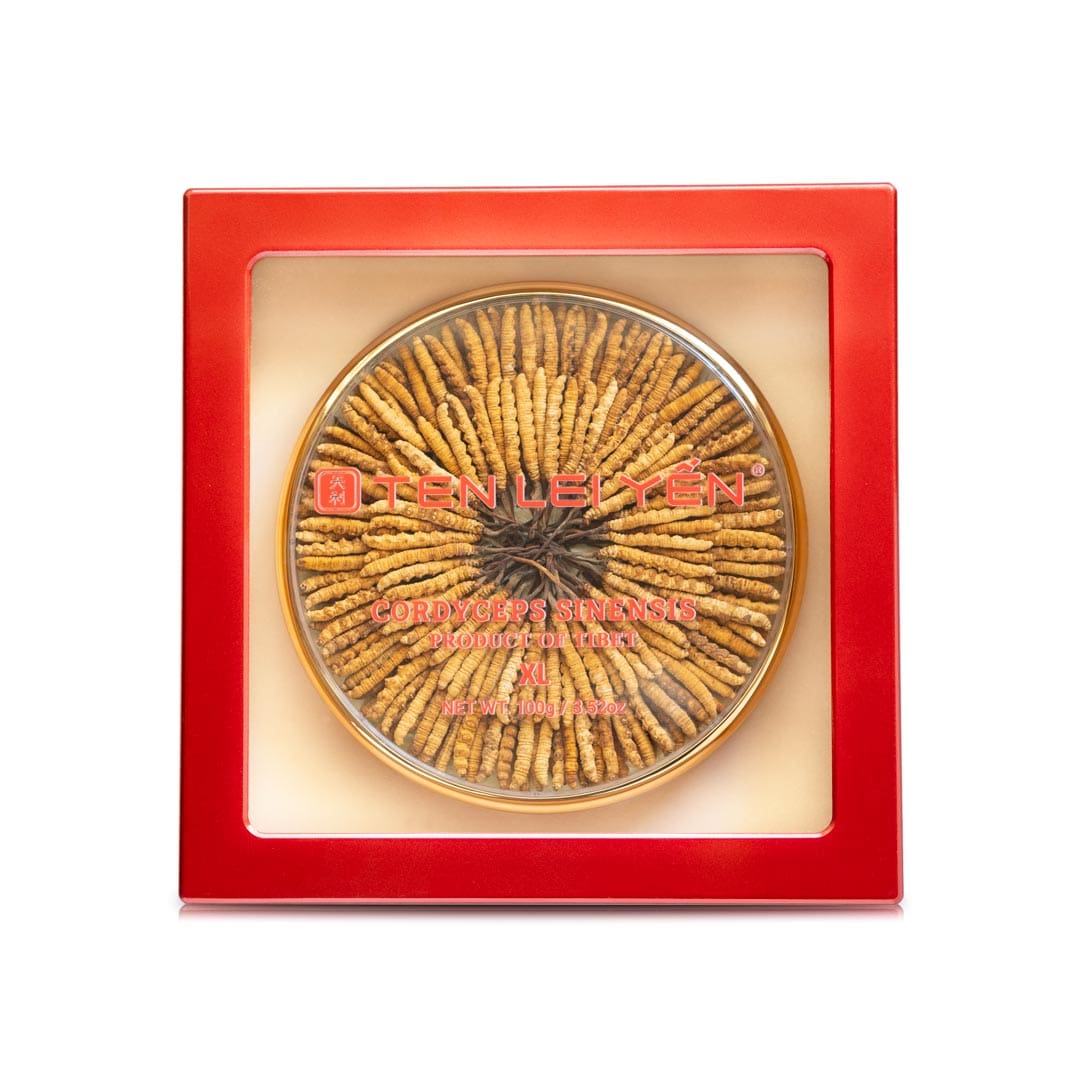
Yes. Whole cordyceps can be added to the broth in the same way. Cordyceps flower (militaris) is more common for everyday cooking, cooks quickly, and adds a pleasant golden color.
Do I need to soak the cordyceps flower first?
No long soak is needed. A quick rinse to remove dust is enough; it softens as the soup simmers.
How do I keep the broth clear?
Blanch the ribs first, then simmer gently rather than boiling hard, and skim off any foam that rises. A firm green papaya also holds together better than a very ripe one.
By Alina @ TLY