By Alina @ TLY
A rice cooker's soup or slow-cook setting and an Instant Pot's low-pressure or slow-cook mode can both stand in for a stovetop double-boil of wild cordyceps, though each changes the timing and the texture slightly. A rice cooker on soup mode runs closest to the traditional method; an Instant Pot on low pressure cuts the time roughly in half but produces a cloudier broth unless finished with a rest.
Key Takeaways
- Rice cookers with a dedicated soup or slow-cook setting hold a gentle simmer for 1-3 hours, closely matching a traditional stovetop double-boil.
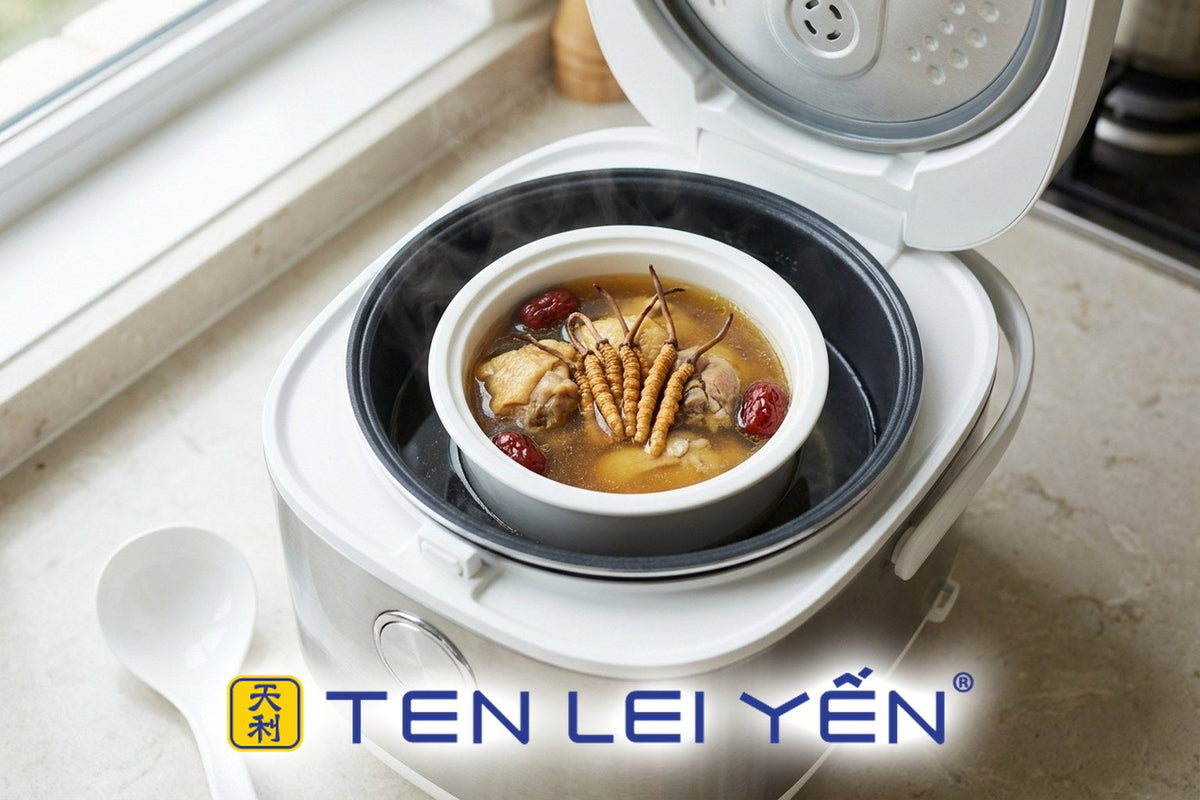
- A ceramic double-boiler insert set inside the rice cooker's inner pot keeps the cordyceps and liquid off direct heat, the same principle as a stovetop double-boiler.
- Instant Pot low pressure for 20-30 minutes plus a natural release approximates a 2-3 hour double-boil, but the broth often comes out slightly less clear.
- Instant Pot slow-cook mode is closer to the stovetop method in texture and clarity, though it can take longer than the machine's default low setting suggests.
- Whichever appliance you use, add the cordyceps at the start so it has the full cooking time to soften and release flavor.

Rice Cooker: Soup or Slow-Cook Mode
Many rice cookers, particularly multi-function models, include a soup or slow-cook setting that runs a gentle, extended simmer rather than the short high-heat cycle used for cooking rice. On these settings, cook time is typically adjustable in increments from about 1 to 12 hours, so you can match it to the 2-3 hours a stovetop double-boil normally takes. Add the chicken or duck, ginger, and cordyceps to a heatproof ceramic insert bowl, set the insert inside the rice cooker's inner pot with water coming partway up its sides, and select the soup or slow-cook function for roughly 2-3 hours — the same window used in our traditional double-boiled wild cordyceps and chicken soup guide.
Because the rice cooker's soup mode still surrounds the insert with simmering water rather than applying direct heat to the food, the texture and clarity of the finished broth are close to a stovetop double-boil. The main difference is convenience: the rice cooker can be left unattended for the full cycle without checking on a stovetop pot.
Instant Pot: Low Pressure or Slow-Cook
Low pressure
An Instant Pot set to low pressure for about 20-30 minutes, followed by a full natural release of 15-20 minutes, can approximate the softening a 2-3 hour stovetop double-boil achieves, since pressure speeds up how quickly the cordyceps releases flavor and softens. The tradeoff is clarity: pressure cooking agitates the liquid more than a gentle simmer, so the broth often comes out slightly cloudier than a traditional double-boil, even though the flavor is comparable.
Slow-cook mode
The Instant Pot's slow-cook function is gentler and closer in principle to the stovetop method, but it typically needs 3-4 hours on the machine's low setting to match the softening of a traditional 2-3 hour double-boil, since most slow-cook settings run cooler than a true double-boiler. If clarity matters more than speed — for a dish you plan to serve to guests, for example — slow-cook mode is the closer match to a stovetop result.

Using a Ceramic Insert Bowl
Both appliances work best with a heatproof ceramic or porcelain insert bowl holding the cordyceps, meat, and liquid, rather than cooking directly in the rice cooker's nonstick pot or the Instant Pot's metal insert. This keeps the setup close to a true double-boil, where the food never touches the direct heat source, and it also makes cleanup easier since the insert bowl lifts out on its own.
What Changes in Texture and Clarity
Across all three methods, the cordyceps pieces themselves soften at a similar rate once total time and gentleness of heat are matched — the bigger differences show up in the broth. A stovetop double-boil and a rice cooker on soup mode both tend to produce the clearest broth, since neither method agitates the liquid. Instant Pot pressure cooking is the fastest but usually the cloudiest; Instant Pot slow-cook falls in between, closer to clear if given the extra time.
Timing Comparison
| Method | Approximate Time | Broth Clarity |
|---|---|---|
| Stovetop double-boil | 2-3 hours | Clearest |
| Rice cooker, soup/slow-cook mode | 2-3 hours | Very close to stovetop |
| Instant Pot, slow-cook mode | 3-4 hours | Close to stovetop |
| Instant Pot, low pressure + natural release | 35-50 minutes total | Slightly cloudier |
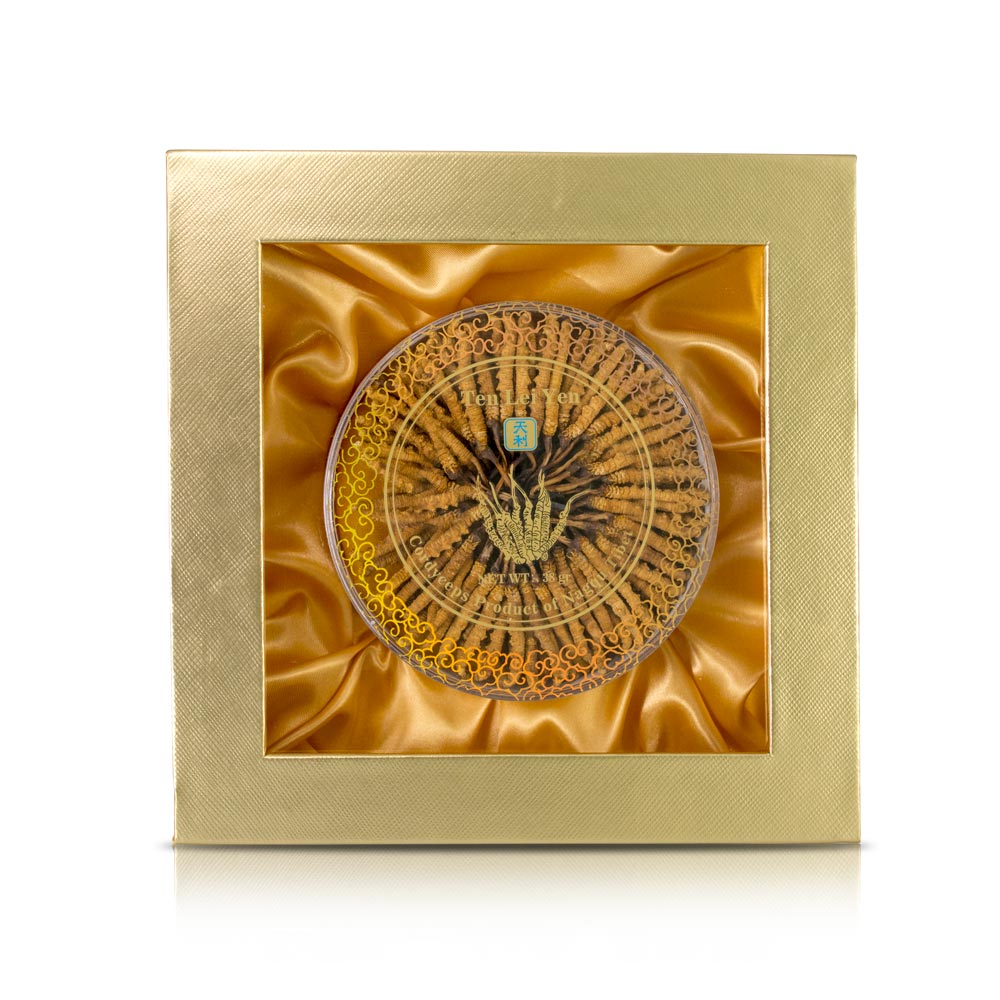
For more on the traditional stovetop technique this is adapted from, see our guide to how long cordyceps takes to cook. Wild cordyceps for any of these methods is available in our wild cordyceps collection.
Frequently Asked Questions
Can I cook cordyceps directly in the Instant Pot's metal insert instead of a ceramic bowl?
You can, but a ceramic or porcelain insert bowl set inside the pot keeps the food off direct contact with the metal surface, which is closer to how a traditional double-boiler works and tends to give a gentler result.
Does a rice cooker's soup mode need to be watched?
Once the timer is set, a rice cooker's soup or slow-cook mode generally does not need checking, though it is worth confirming your specific model does not default to a shorter cycle than intended.
Which method is closest to a traditional stovetop double-boil?
A rice cooker on soup or slow-cook mode using a ceramic insert bowl comes closest, since it uses the same gentle, indirect heat over a similar time window as the stovetop method.
Is the flavor different between these methods?
The overall flavor is comparable across methods when the cordyceps gets a similar total cooking time; the main differences are in convenience and how clear the finished broth looks.