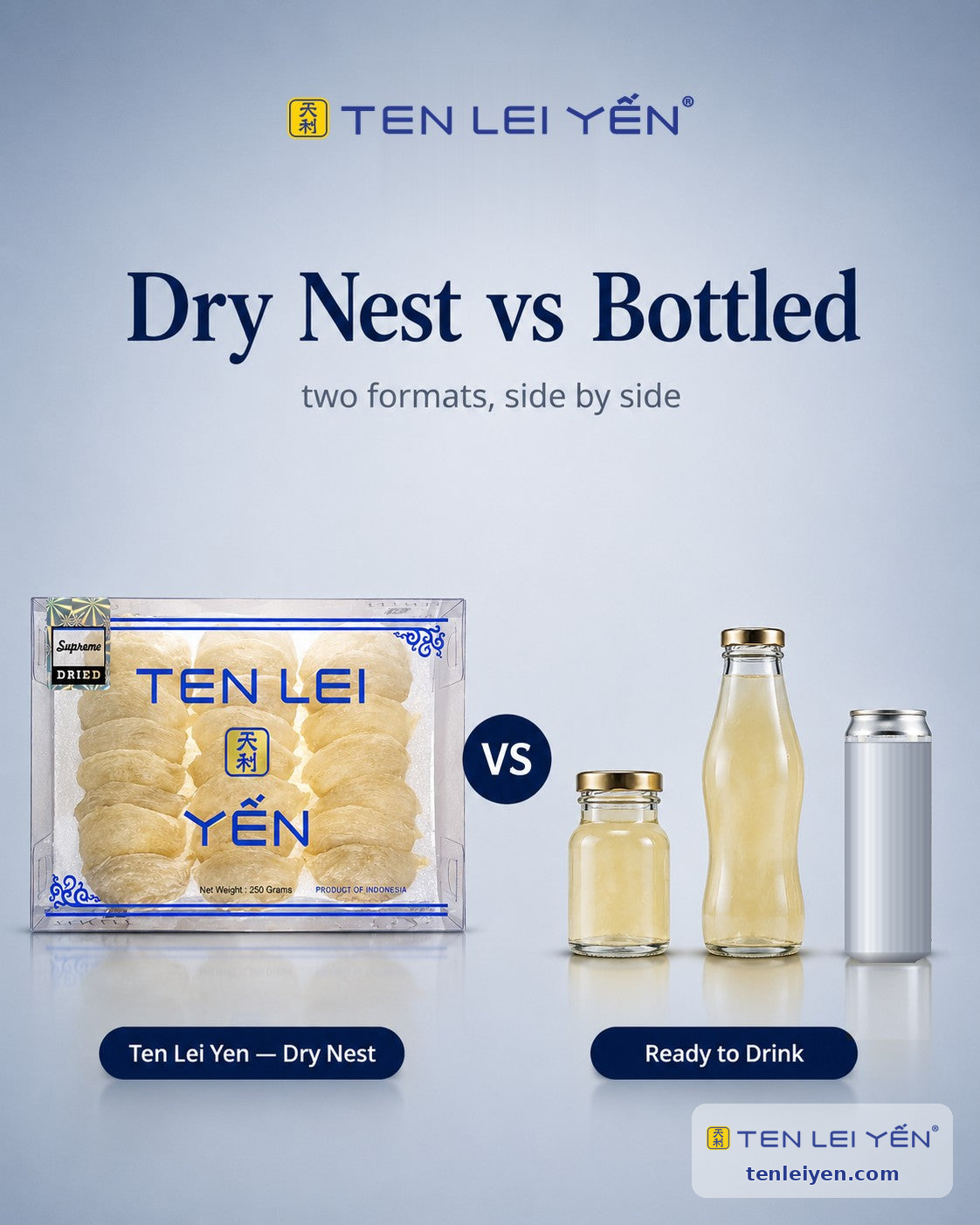
Edible bird's nest is sold mainly in two formats: dried raw nest that you soak and cook yourself, and bottled ready-to-drink products that are pre-cooked, sweetened, and shelf-stable. The right choice depends on how much you value convenience, control over ingredients and sweetness, the actual bird's nest content per serving, shelf life, and price. This is a factual comparison of the two formats to help you read labels and decide.
Key takeaways
- Dry edible bird's nest is a single ingredient you soak (4 to 6 hours) and double-boil (about 40 minutes); bottled ready-to-drink nest is pre-cooked and mixed with water and sweeteners.
- Dry nest lets you control sweetness and concentration; a bottled product's recipe is fixed by the maker.
- By weight, dry nest usually costs less per gram of actual nest, while bottled wins on convenience.
- Always check the label for the stated bird's nest percentage before comparing prices.
How each format works
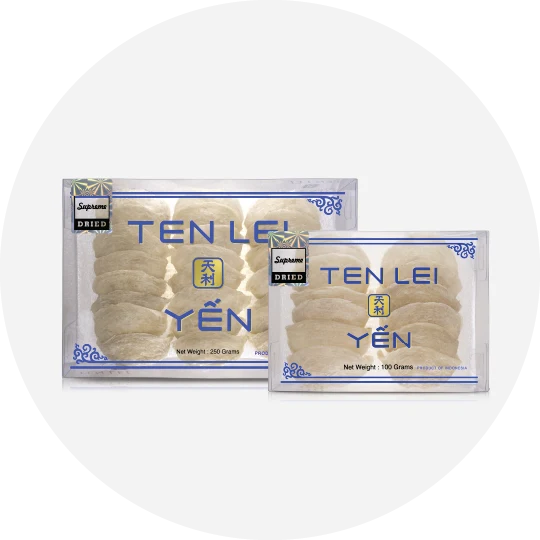
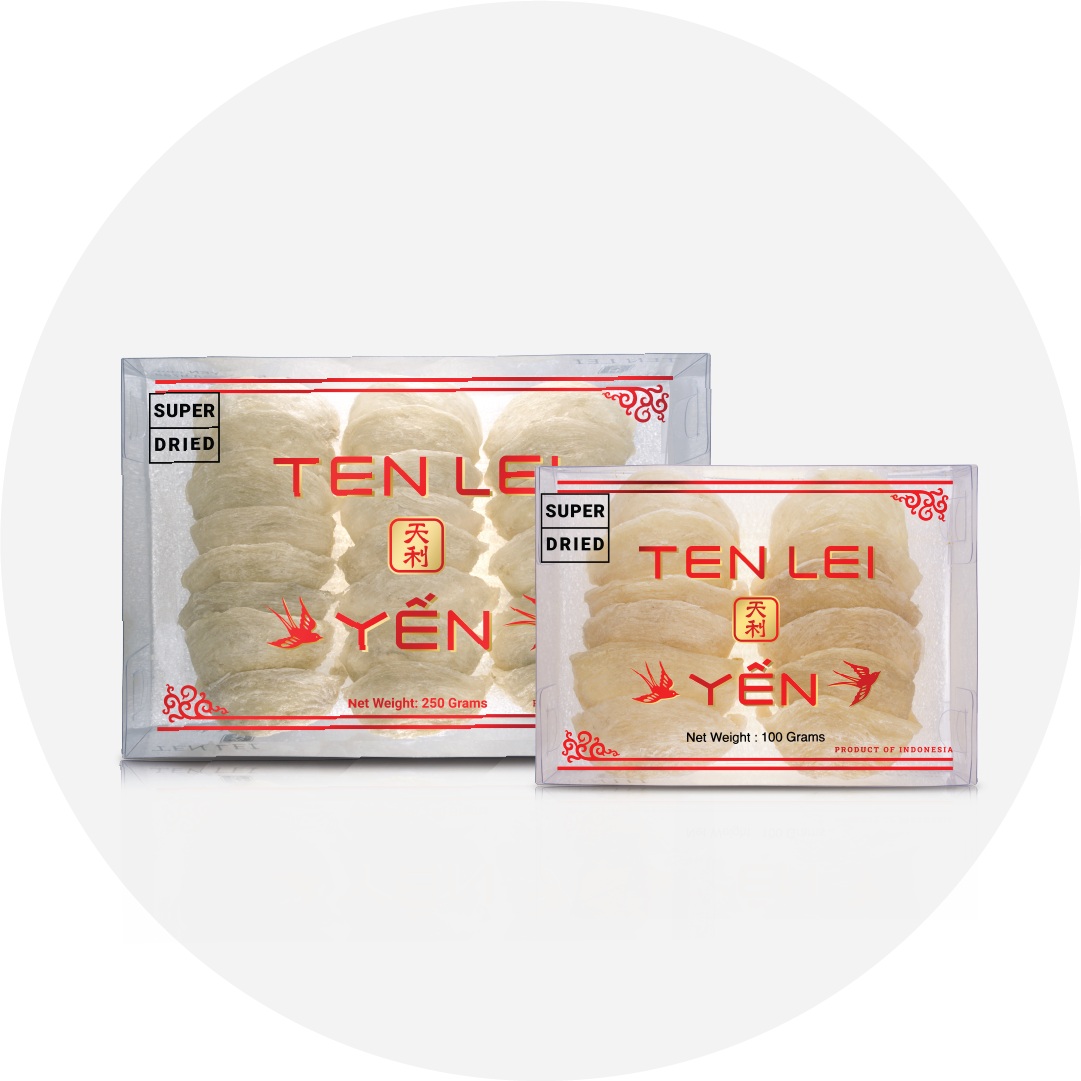
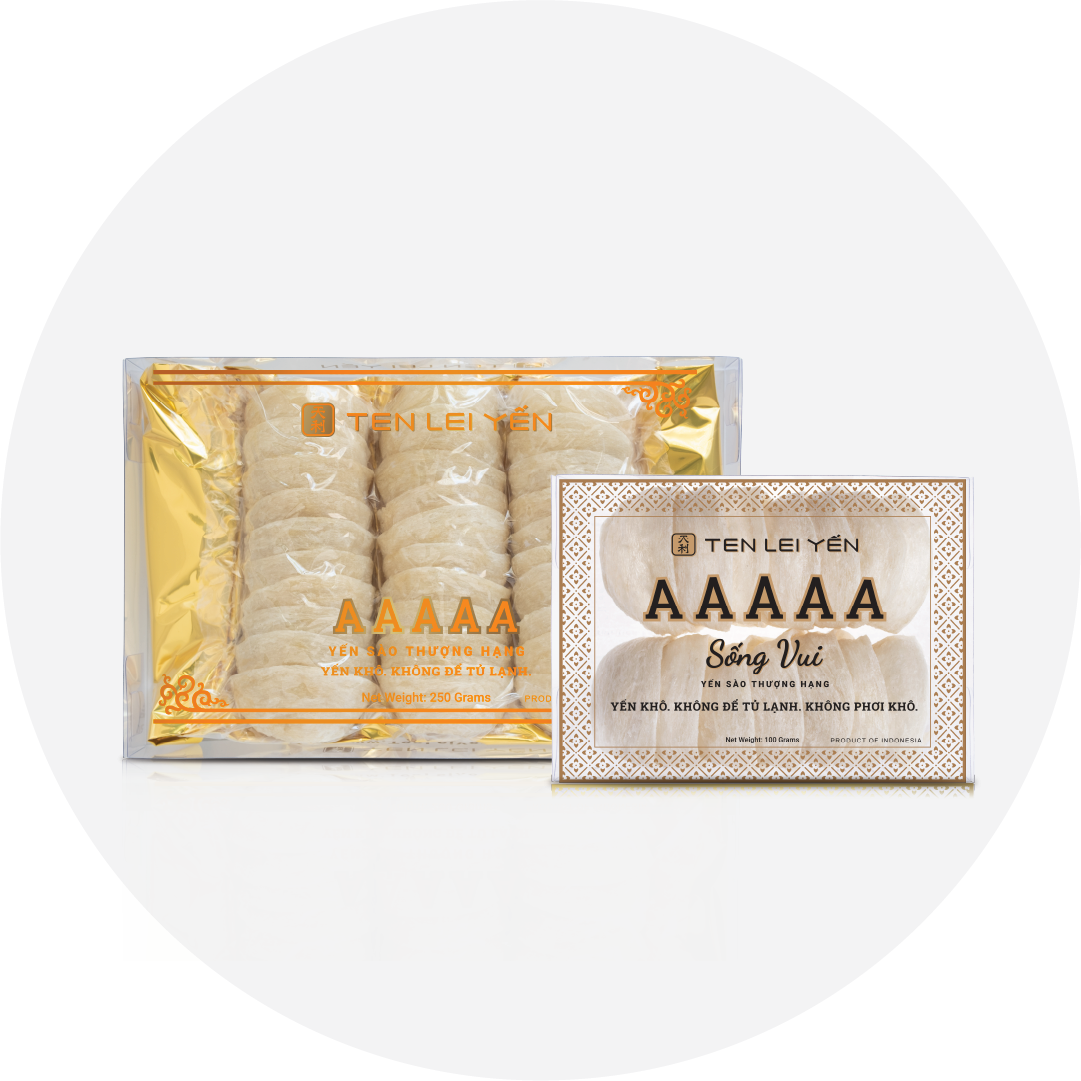
Dry nest arrives in its natural cleaned form. You soak it for 4 to 6 hours or overnight, rinse it, and double-boil it for 40 minutes before serving, which lets you control concentration, sweetness, and pairings. Dry edible bird's nest is sold in this form. Bottled ready-to-drink nest is already cooked and bottled, typically in single-serve glass bottles, and is meant to be opened and consumed directly, warm or chilled.
On the market today
A number of other brands offer bottled ready-to-drink formats, sold in small single-serve bottles of roughly 68 to 75 ml as well as larger 240 ml bottles, individually or in multi-bottle gift packs.
Ingredients and additives
Dry nest is a single ingredient: the nest itself. Bottled products are formulated mixtures. A common bottled formula lists water, rock sugar, and dry bird's nest, sometimes with a stabilizer such as gellan gum to hold the texture. Flavored or sugar-free versions exist, sweetened with ingredients such as lychee or dates instead of, or alongside, rock sugar. Always read the ingredient list to see what is in the bottle beyond the nest.
Bird's nest content and concentration
With dry nest you decide the concentration by how much you use; a typical dry nest weighs approximately 8 to 14 g and expands considerably when cooked. With bottled products, the bird's nest is only part of the liquid, and the percentage varies widely between brands and tiers. Some products state their bird's nest content on the label; figures around the high-twenties percent are marketed as relatively concentrated, while many everyday bottles contain less. The label and the bird's nest percentage are the most useful things to compare.
Convenience
Bottled nest wins clearly on convenience: it is grab-and-go, travel-friendly, and needs no preparation. Dry nest requires planning, soaking time, and double-boiling, which is the trade-off for full control over the result.
Shelf life
Unopened dry nest keeps for about 2 to 3 years in a cool, dry place. Bottled products carry a printed expiry date and should be refrigerated after opening. Once you cook dry nest at home, treat it like fresh food and use it within 3 to 5 days refrigerated.
Value
To compare value fairly, look at the actual quantity of bird's nest you receive, not just the package price. With dry nest you are paying for nest by weight. With bottled nest you are paying for a finished, mostly-liquid product, so the cost per gram of actual nest can be higher. A single-serve bottle is convenient but usually contains a small amount of nest relative to its liquid.

Quick comparison
| Factor | Dry raw nest | Bottled ready-to-drink |
|---|---|---|
| Preparation | Soak, rinse, double-boil | None, ready to drink |
| Ingredients | Nest only | Water, sugar, nest, sometimes stabilizer or flavoring |
| Control of sweetness and concentration | Full | Fixed by the maker |
| Convenience | Lower | Higher |
| Shelf life | About 2 to 3 years dry | Printed expiry; refrigerate after opening |
| Cost per gram of nest | Usually lower | Usually higher |
Which format suits you
Choose dry nest if you want maximum control over ingredients, sweetness, and concentration, and the best value per gram, and you do not mind the preparation. Choose bottled ready-to-drink if convenience and portability matter most and you accept a fixed recipe and a higher cost per gram of nest. Many households keep both: dry nest for home preparation and bottled for travel or busy days.
Related reading
- How to identify genuine edible bird's nest
- Chilled edible bird's nest with fresh mango and coconut (recipe)
FAQ
Is bottled bird's nest real bird's nest? Reputable bottled products do contain genuine bird's nest, but usually as one ingredient among water and sweeteners. Check the ingredient list and the stated percentage.
Why is dry nest often better value? You are buying nest by weight rather than a finished, mostly-liquid drink, so more of your money goes to the nest itself.
Does bottled nest need refrigeration? Unopened bottles are usually shelf-stable until the printed date; refrigerate after opening and consume promptly.