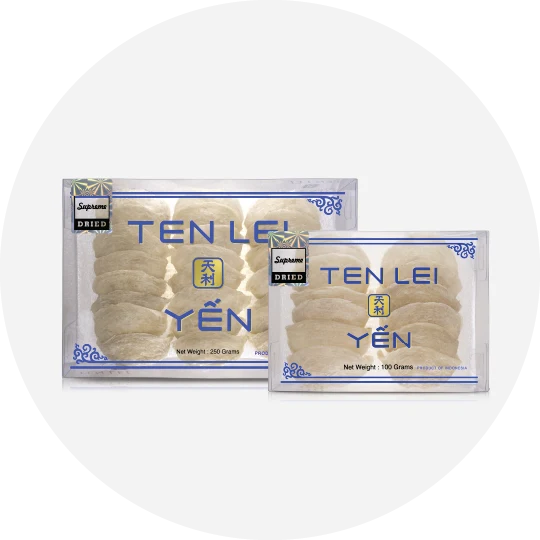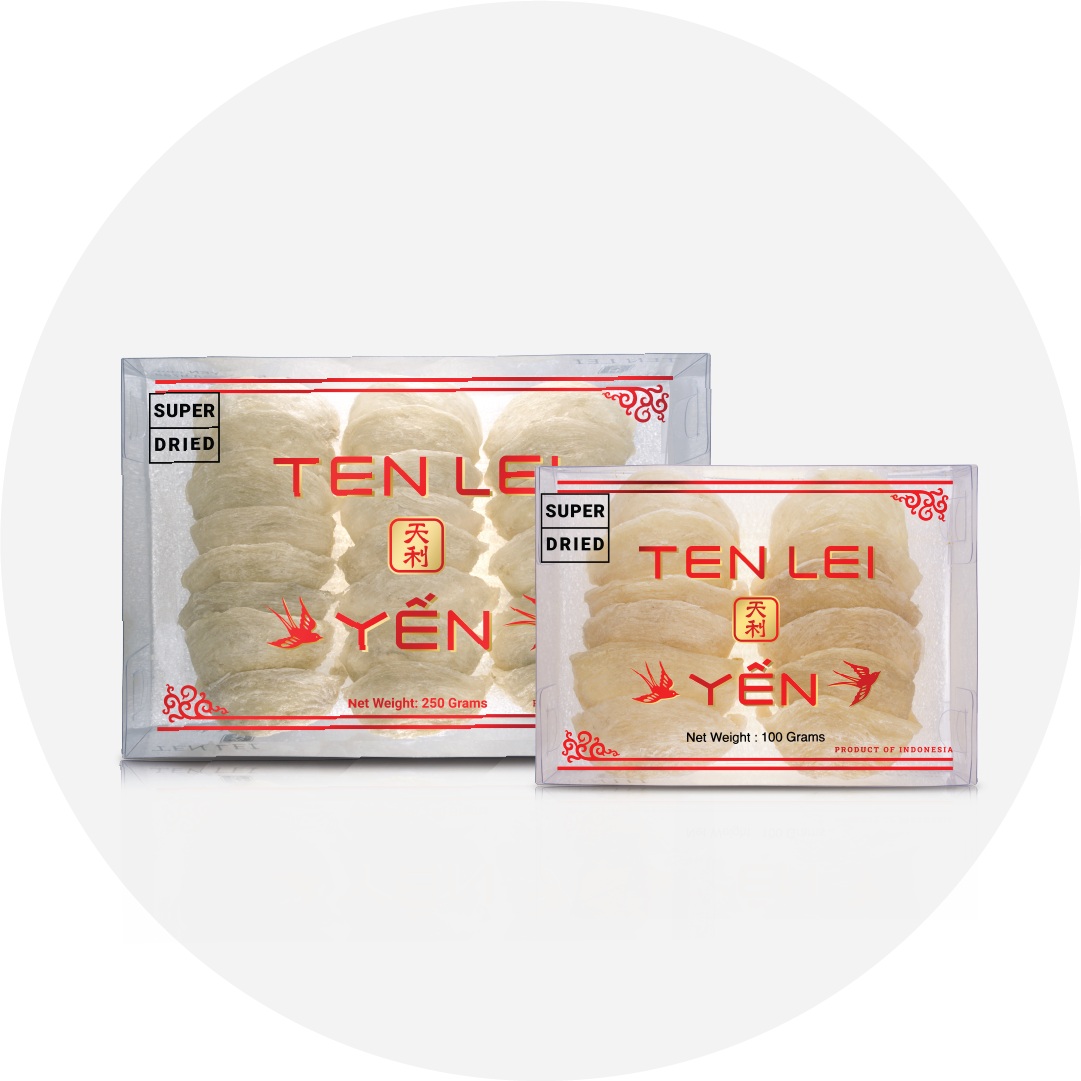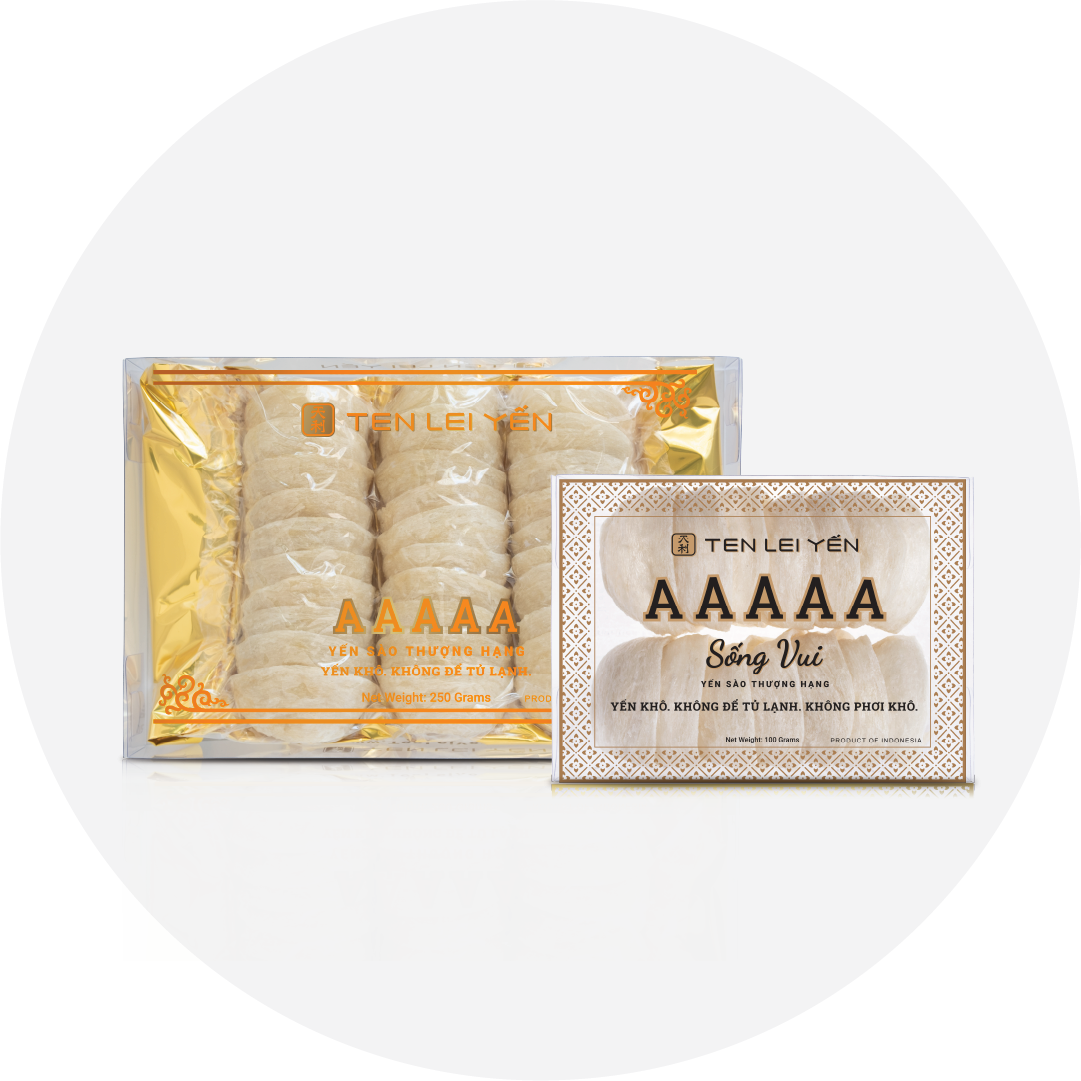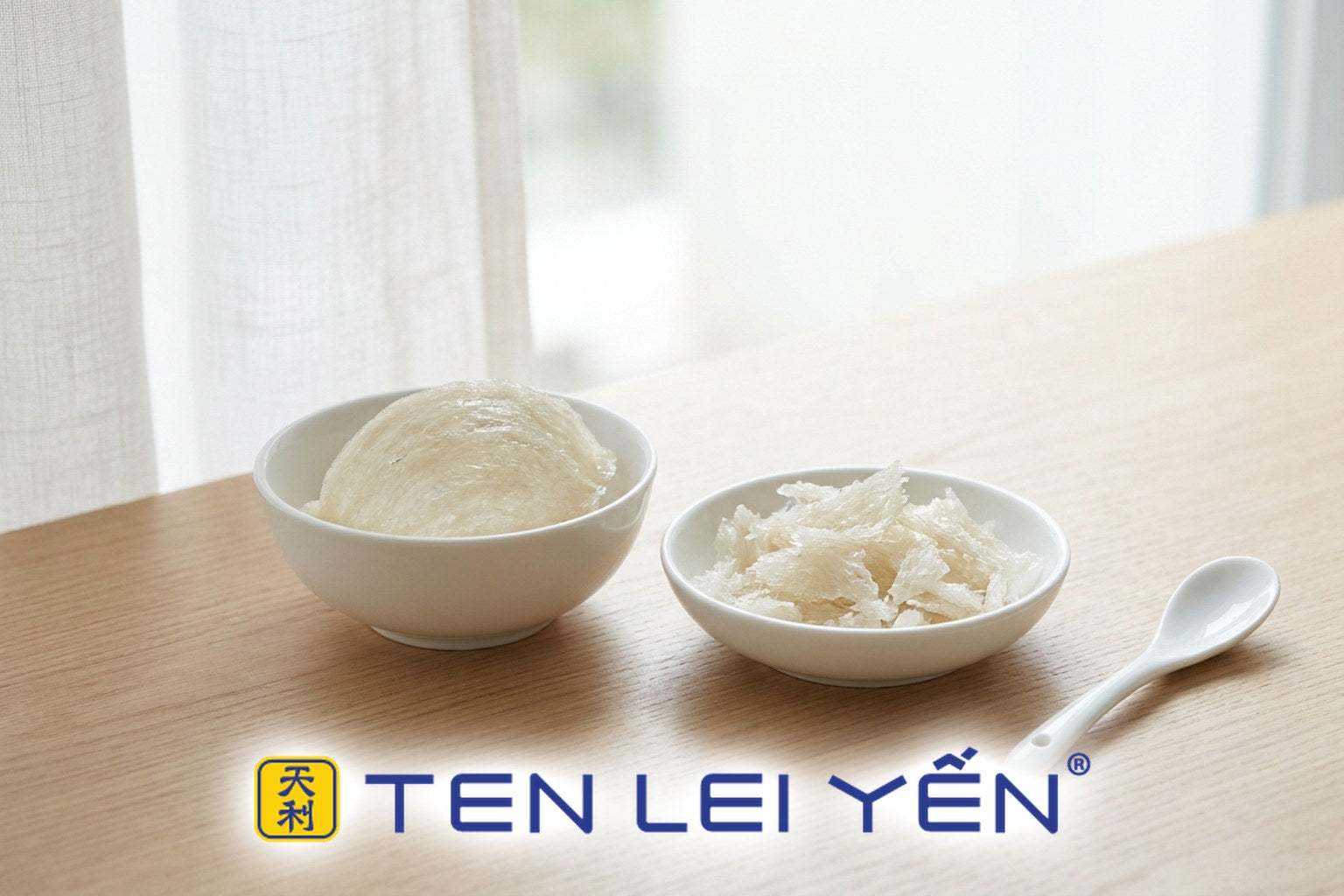
Whole bird's nest and broken nest are the same material in different shapes. Both come from swiftlet nests, both are prepared identically, and both deliver the same texture in the finished dish. The difference is in the form factor and, as a result, the price.
Key Takeaways
- Whole nests are the intact cup-shaped nest; broken nests are pieces from the same nests.
- Material quality is the same — shape is the only difference.
- Both soak in cold water for 4–6 hours and double-boil for 40 minutes.
- Broken nests cost less per gram, making them more budget-friendly for everyday use.
- Whole nests are preferred for gifting or occasions where presentation matters.
What Is a Whole Bird's Nest?
A whole bird's nest is the complete cup-shaped structure built by the swiftlet and harvested intact. During processing, workers clean the nest carefully to remove feathers and debris while preserving the cup form. Whole nests are typically graded by size, colour, and how complete the cup shape is.
Because they require careful handling at every stage to avoid breakage, whole nests generally command a higher price per gram than broken nests of the same grade.
What Is a Broken Nest?
Broken nests — sometimes labelled nest pieces or broken-cup nests — are fragments that separated from whole nests during harvesting, cleaning, sorting, or packing. This is a natural part of the process; even with careful handling, some nests break.
Broken nests are not a downgraded or inferior product. They are pieces of the same nests, made of the same material, with the same taste and texture once cooked. The only thing missing is the complete cup shape.
How They Compare
Appearance
Whole nests hold their distinctive cup shape before cooking. When soaked and cooked, the cup softens and expands but retains a recognisable structure — this is part of the visual appeal in gift boxes and formal presentations.
Broken nests are irregular fragments of various sizes. Once cooked, the texture and colour are indistinguishable from whole nests in the dish.
Cooking — Identical Process
Both types are prepared the same way. Soak the nest in clean cold water for 4–6 hours (or overnight in the refrigerator). The dry nest — whether whole or broken — will absorb water and expand significantly. After soaking, gently rinse and remove any remaining feathers. Then double-boil with water and rock sugar over low to medium heat for 40 minutes.
One dry nest (approximately 8–14 g) or the equivalent weight in broken pieces yields a similar finished volume. The cooked result — soft, gelatinous strands in a clear broth — is the same regardless of whether you started with a whole nest or broken pieces.
Price
Broken nests are consistently less expensive per gram than whole nests of the same grade. This is because they do not require the same level of care to preserve shape during harvesting and processing. For buyers who use bird's nest regularly and are focused on the cooking result rather than presentation, broken nests offer strong value.
When to Choose Each
Whole nest is the better choice when the intact cup shape is important — for example, as a gift, for a formal occasion, or when serving the nest in a way where its form will be visible and appreciated.
Broken nest is the practical choice for everyday preparation and regular use. You get the same material at a lower price per gram, with no difference in the cooked dish.
TLY Red Label Broken Nest
TLY's Red Label Broken Nest uses the same house-farmed Indonesian nest material as our Red Label whole nests, processed to the same cleaning standard. The pieces vary in size but cook identically. For buyers who use bird's nest regularly and want consistent quality at a more accessible price point, it is the most practical option in our range. Our Blue Label whole nests are available for those who want the intact cup for gifting or presentation.
Frequently Asked Questions
How much broken nest should I use per serving?
Use the same weight as you would for a whole nest: approximately 8–14 g of dry broken nest per whole-nest bowl — about 2–4 standard servings of 3–5 g each. Weigh the pieces before soaking for the most consistent result.
Can I use broken nest for gifting?
Most buyers choose whole nests for gifts because the intact cup is more visually striking. However, broken nest can be a practical and appreciated gift for someone who uses bird's nest regularly and values quantity and value over presentation.