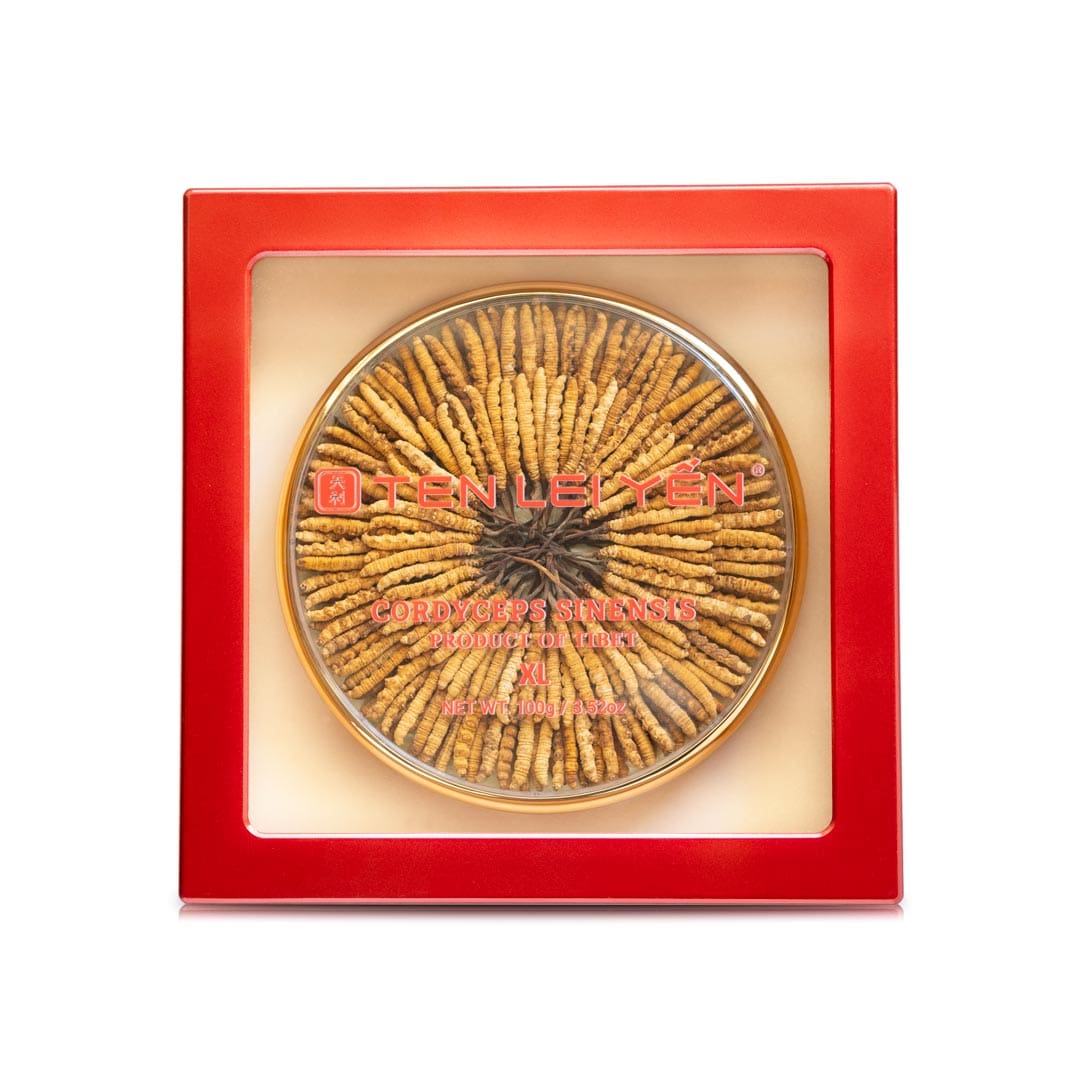
Wild cordyceps (Cordyceps sinensis) is gathered on the Tibetan Plateau in a single short season each year, roughly from late May to early July. It emerges from the ground only after the snow melts in late spring, and the collecting window lasts just a few weeks before the season closes. That brief timing is a big part of why whole wild cordyceps is so rare and sought after.
Key takeaways
- Wild cordyceps is harvested mostly from about late May to early July.
- The fungus pushes up from the soil only after the spring snowmelt, high on the plateau.
- The collecting window is short, often just a few weeks, and varies with elevation and weather.
- A single yearly harvest and hand-collection help explain why whole wild cordyceps is scarce and costly.
What wild cordyceps actually is
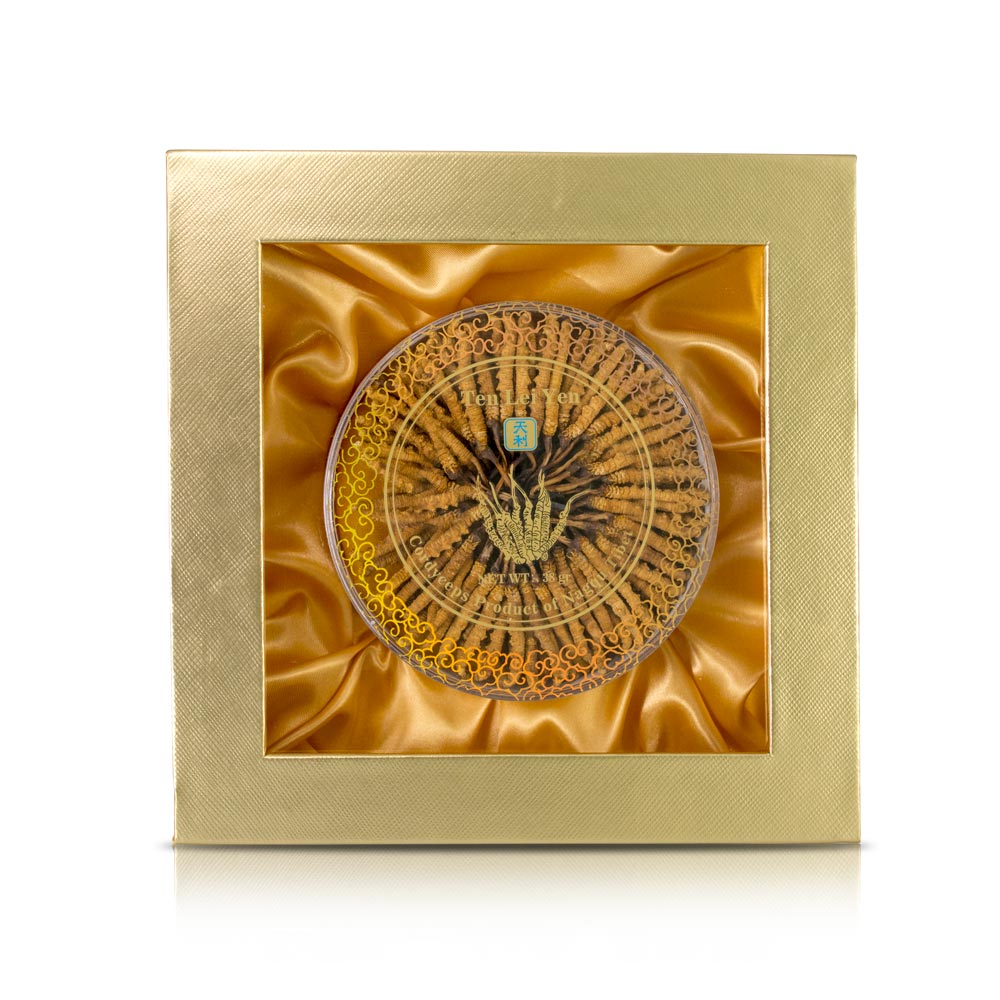
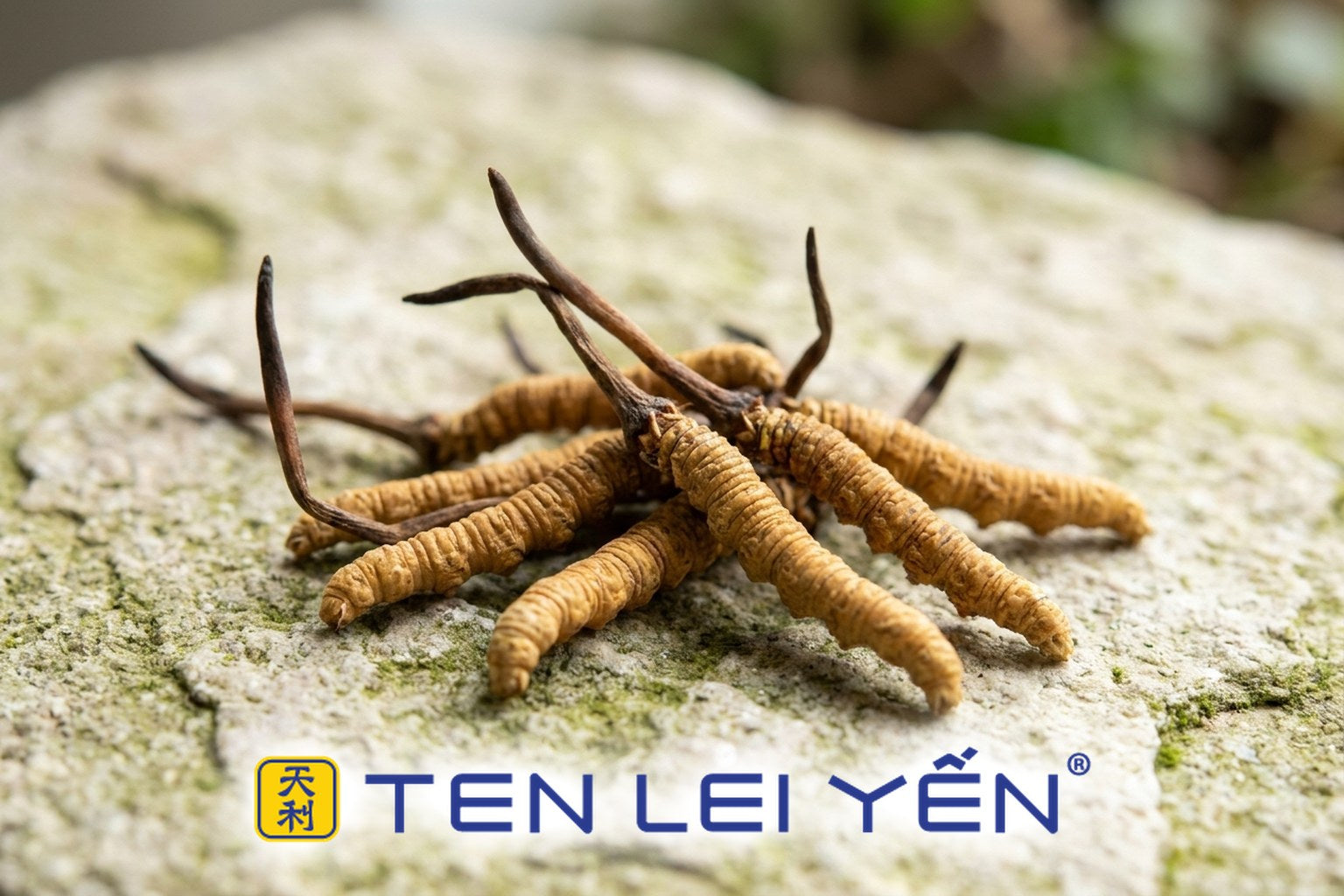
Cordyceps sinensis is a caterpillar-and-stalk fungus. It begins when the fungus grows inside a moth caterpillar living in the soil; the following spring, a slender dark stalk pushes up from the caterpillar's head and breaks the surface. A finished specimen is a tan-golden caterpillar body, a few centimeters long, with a single thin stalk. It is not a mushroom cap, and it is different from cordyceps flower (militaris), the cultivated orange stalks used in everyday cooking.
When the harvest happens
On the high pastures of the Tibetan Plateau, roughly 3,000 to 5,000 meters up, the stalk only emerges once the winter snow has melted, in late spring and early summer. A common local guideline is to begin collecting about 20 days after the snow clears. Depending on the region, the season typically runs from about mid-May to early July; some counties set official windows of only a few weeks.

Why the window is so short
Several things keep the season brief. The stalk is only visible for a short time before it matures, so collectors must find each specimen while it is still intact. The plateau's weather is unpredictable, and the exact timing shifts with elevation and snowmelt from one slope to the next. Whole families travel to the pastures and search the ground by hand, one piece at a time. A short calendar plus painstaking hand-collection means only a limited amount is gathered each year.
What the season means for buyers
Because wild cordyceps is collected once a year and by hand, supply is naturally limited, and fresh-season pieces are sought after. When you buy whole wild cordyceps, it helps to know the origin and grade (size and piece count), and to look for intact specimens with the caterpillar body and stalk both present.
Explore more
See our wild cordyceps and cultivated cordyceps, and the current cordyceps offers. For related reading, see What Is Nagqu? and Cordyceps Sinensis vs Militaris, Explained.
Frequently asked questions
Is wild cordyceps the same as cordyceps flower?
No. Wild cordyceps (sinensis) is the caterpillar-and-stalk fungus gathered on the plateau. Cordyceps flower (militaris) is a cultivated, orange, club-shaped stalk commonly used for cooking.
By Alina @ TLY