By Alina @ TLY
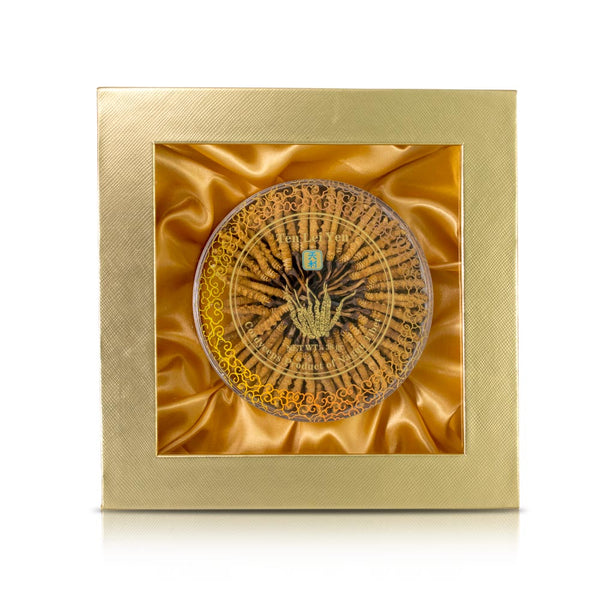
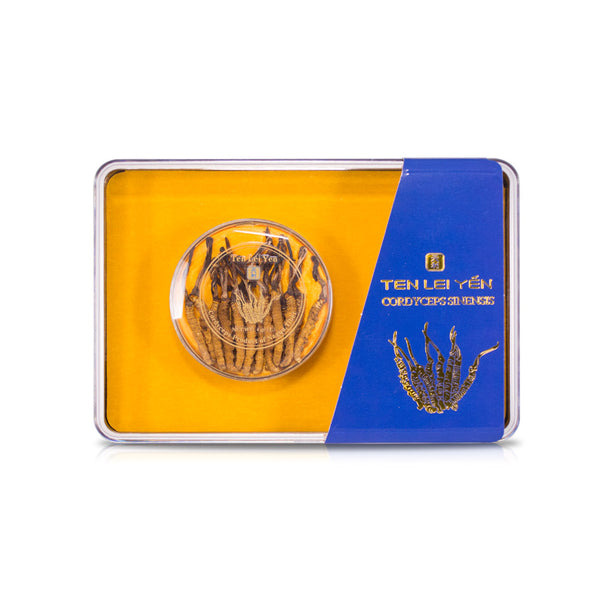
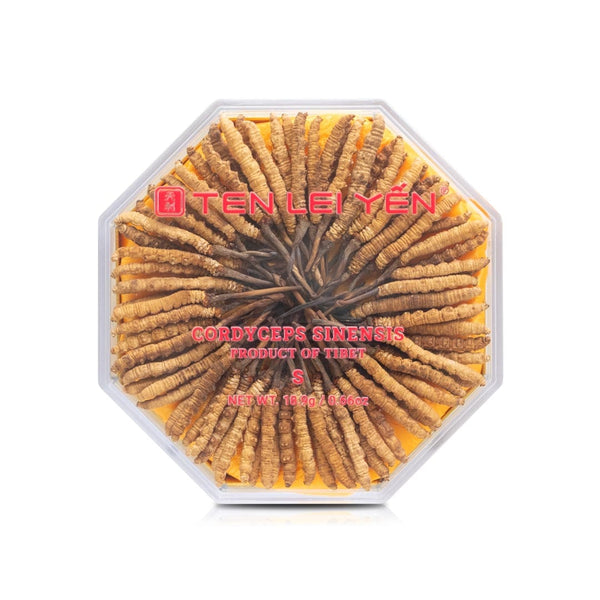
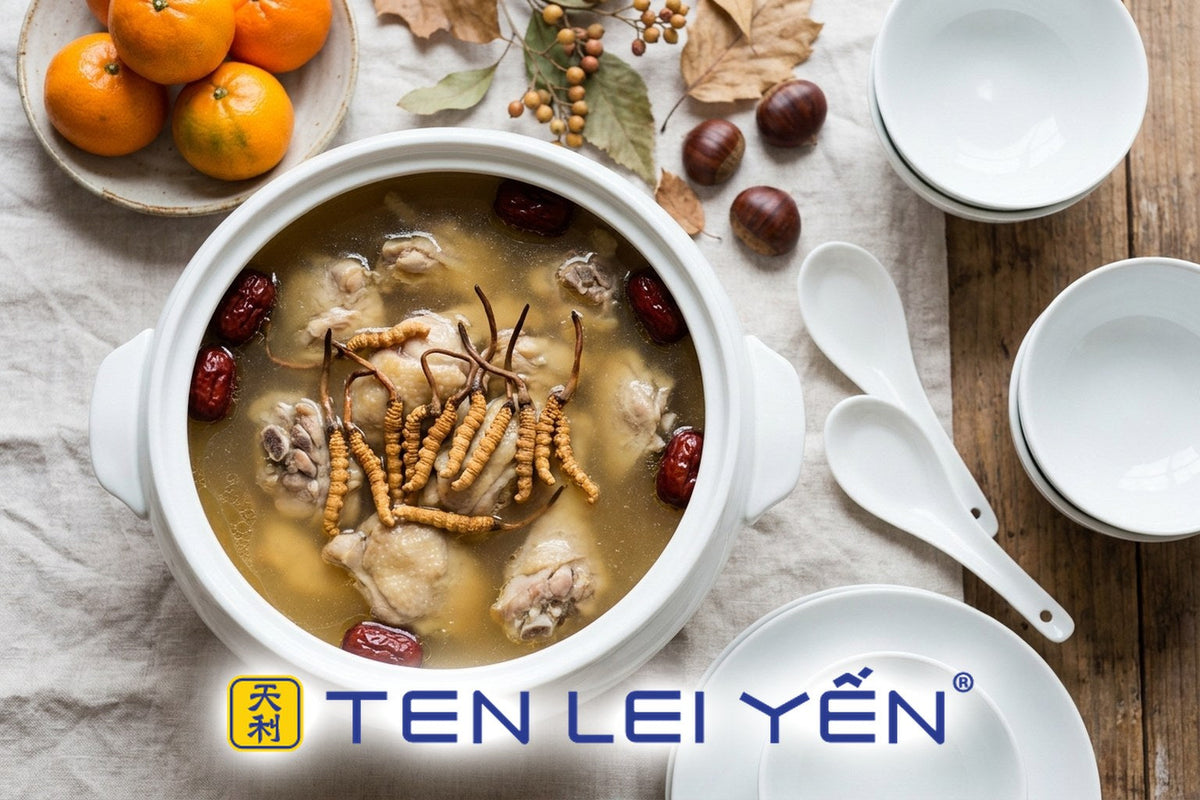
Wild cordyceps fits most naturally into three parts of a Mid-Autumn reunion dinner: a double-boiled chicken or duck soup, a clear broth course, or a light garnish scattered over steamed fish. For a table of 6-10 guests, 8-14 pieces added directly to the double-boiling liquid keeps them visible once the soup is ladled into bowls.

Key Takeaways
- Double-boiled chicken or duck soup is the easiest reunion dish to add wild cordyceps to — the pieces sit in the broth and the flavor has time to develop.
- A clear broth served as its own course also works well, since the pieces stay visible rather than getting lost among other ingredients.
- Steamed whole fish takes cordyceps only as a light finishing touch, scattered on top after steaming rather than cooked into the fish itself.
- For 6-10 guests, plan on roughly 8-14 pieces added to the pot, adjusted by the grade and size you are using.
- Add the pieces early in a double-boil so they soften through, and plate so each bowl gets at least one or two visible pieces.

Three Reunion Dishes That Take Cordyceps Well
Double-boiled chicken or duck soup
A whole poached chicken or duck, double-boiled for two to three hours with ginger, scallion, and a few dried red dates, is the most common way Cantonese and Vietnamese-Chinese households serve wild cordyceps at a reunion meal. The long, gentle double-boil gives the pieces time to soften and release flavor into the broth without breaking apart, and the finished soup can be ladled tableside so guests see the pieces before they reach their bowls. For the full method and timing, see our guide to double-boiled wild cordyceps and chicken soup.
A clear broth course
If the reunion menu already includes a roast meat or a whole fish as the centerpiece, a light clear broth — dried scallop, chicken stock, or a simple vegetable base — gives cordyceps its own moment as a separate course rather than competing with a heavier dish. Because the broth is thin and clear, the pieces are easy to see and easy to portion evenly across small individual bowls, which suits a formal reunion seating better than one large shared tureen.
Steamed whole fish
Steamed whole fish is traditionally kept simple — light soy, scallion, and hot oil — so cordyceps is best added as a light garnish scattered over the fish just after steaming, rather than steamed together with it. A few pieces laid along the length of the fish or tucked near the head add visual interest to the centerpiece dish without changing how the fish itself is prepared.
How Many Pieces for 6-10 Guests
For a reunion-size pot serving 6-10 people, most households use somewhere around 8-14 whole pieces, depending on the grade and size of the cordyceps and how many separate dishes are being made. If you are splitting cordyceps across two dishes — say, a soup and a fish garnish — divide the count between them rather than adding a full portion to each. For a closer look at scaling amounts to your guest list and the dish itself, see how much wild cordyceps to buy by occasion and our notes on serving wild cordyceps to guests, which covers portioning and presentation in more depth.

When to Add the Pieces
For a double-boiled soup, add the cordyceps at the start alongside the meat, so the full cooking time — typically two to three hours — softens the pieces and lets their flavor move into the broth. For a lighter clear broth that only simmers 20-30 minutes, add the pieces in the last 10-15 minutes so they warm through without overcooking. For the fish garnish, add cordyceps only after steaming is complete, since fish steams quickly and the pieces would not have time to soften if added before.
Presentation: Keeping the Pieces Visible
A reunion meal is as much about what guests see as what they taste, so plan the final plating with visibility in mind. Ladle soup so at least one or two pieces land in each bowl rather than leaving them clustered at the bottom of the tureen; white porcelain bowls make the tan-golden color of the pieces stand out clearly against a light broth. For the fish, lay pieces along the top rather than tucking them underneath, so they are the first thing guests notice on the centerpiece dish.
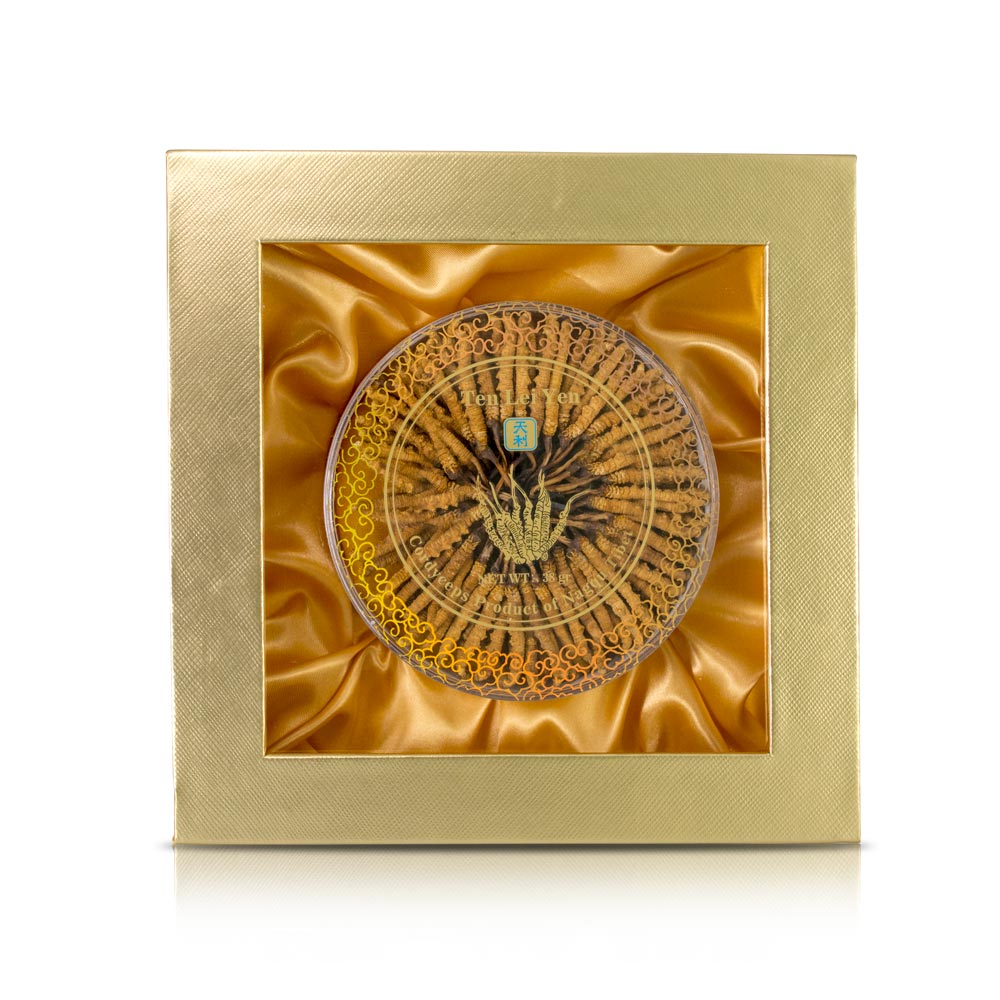
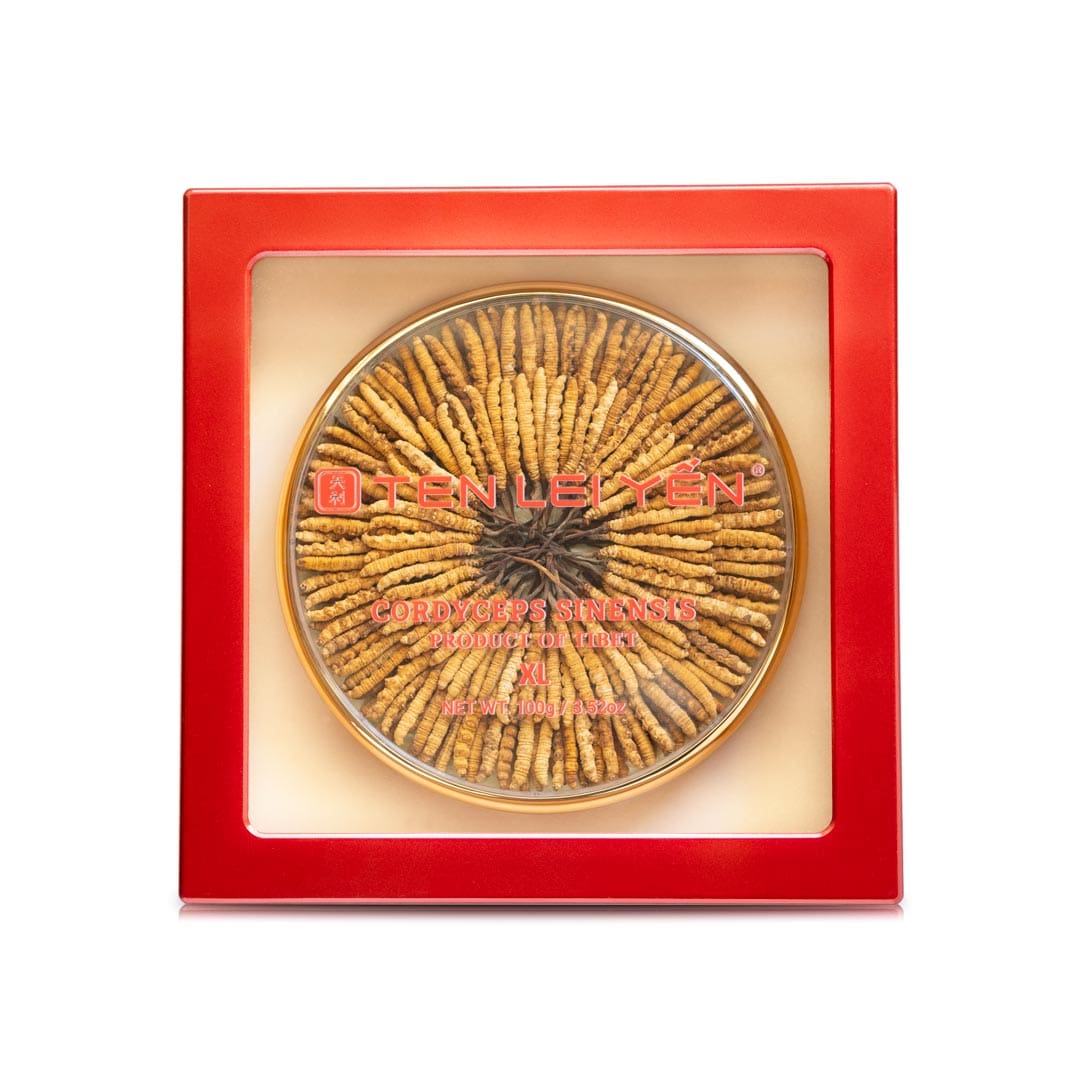
Wild cordyceps for this kind of reunion cooking is available by the piece count and grade in our wild cordyceps collection.
Frequently Asked Questions
Can I use the same cordyceps for both the soup and the fish garnish?
Yes. Simply divide your total piece count between the two dishes rather than using a full portion in each — for example, if you are using 12 pieces total for 8 guests, put 8-9 into the soup and set aside 3-4 for the fish garnish.
Do I need to soak wild cordyceps before adding it to a reunion soup?
A brief rinse to remove any surface dust is usually enough before a long double-boil, since the extended cooking time softens the pieces on its own. See our guide on rinsing and prepping dried cordyceps for the full method.
What if my reunion dinner does not include soup?
The clear broth course or the steamed fish garnish both work as standalone ways to include cordyceps without building a full soup course around it — either can be added to a menu that is already set.
How far in advance can I prepare the cordyceps portion?
Portion out the pieces you plan to use the morning of the meal so they are ready to add straight into the pot or onto the fish at the right moment, without last-minute counting while other dishes are cooking.