Blogs
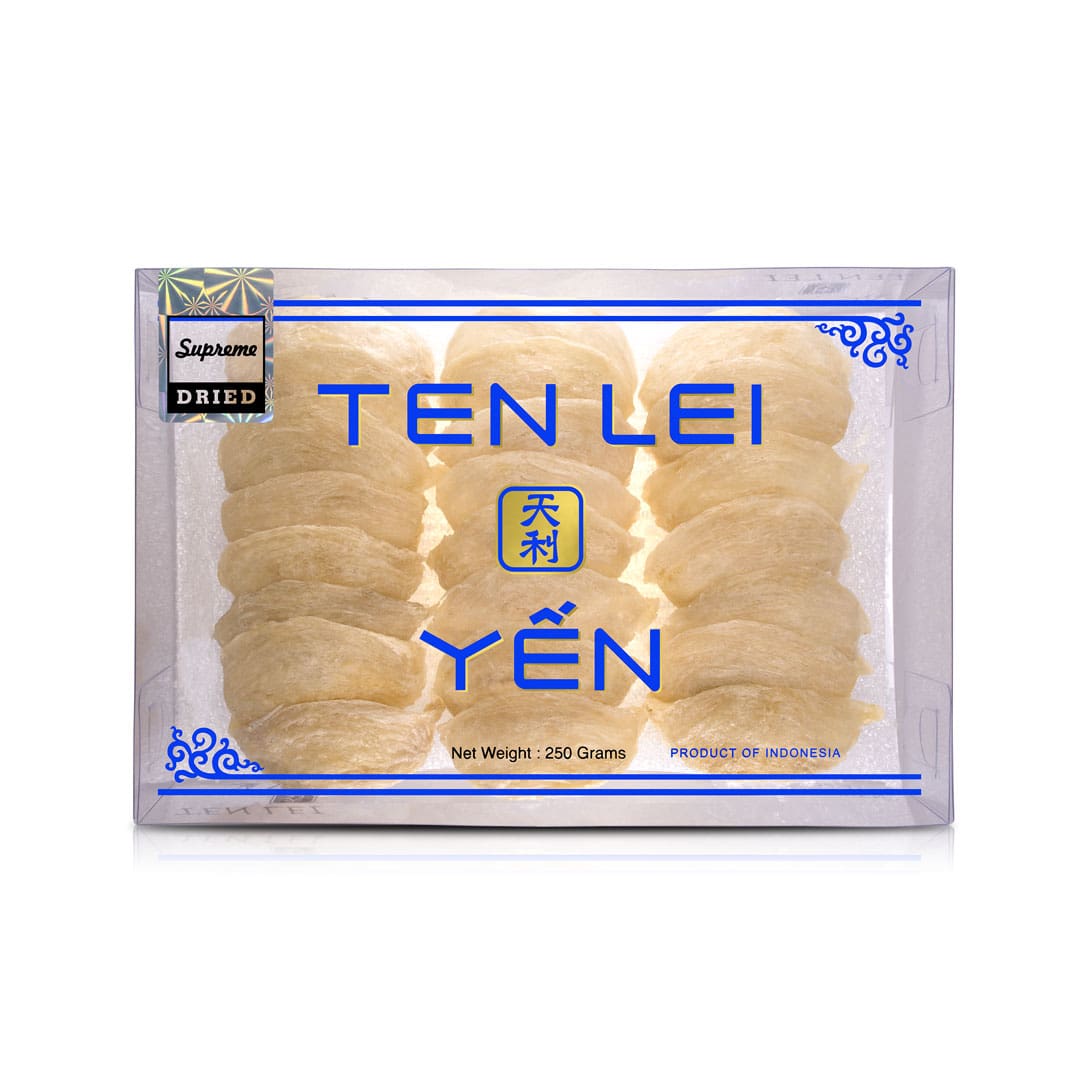

227g or 250g? How Bird's Nest Is Really Weighed and Sold
227g is simply 8 ounces converted to grams. Here is how Hong Kong and Singapore weigh and sell bird's nest in round metric units - and why Ten Lei Yen uses a clean 250g.
Learn more
Instant (Freeze-Dried) vs Whole Dry Bird's Nest: The Texture Difference
The real difference is texture: whole dry bird's nest keeps its fine, springy, al-dente strands, while freeze-dried instant nest rehydrates softer and more uniform.
Learn more
How to Read an Edible Bird's Nest Label: What Honest Packaging Should Tell You
A clear edible bird's nest label states the country of origin, nest type and grade, net dry weight, cleaning level, ingredients, and storage. Here is how to read one before you buy.
Learn more
Cave-Harvested vs House-Farmed Bird's Nest: What Buyers Should Know
Cave-harvested and house-farmed bird's nest are both genuine products made from swiftlet nests. This guide explains the differences in colour, flavour, supply, and price — and what to look for when buying.
Learn more
Should You Buy Raw, Semi-Cleaned, or Fully Cleaned Bird's Nest?
The three cleaning levels — raw, semi-cleaned, and fully cleaned — differ in home prep, price, and convenience. Here's what each means before you buy.
Learn more
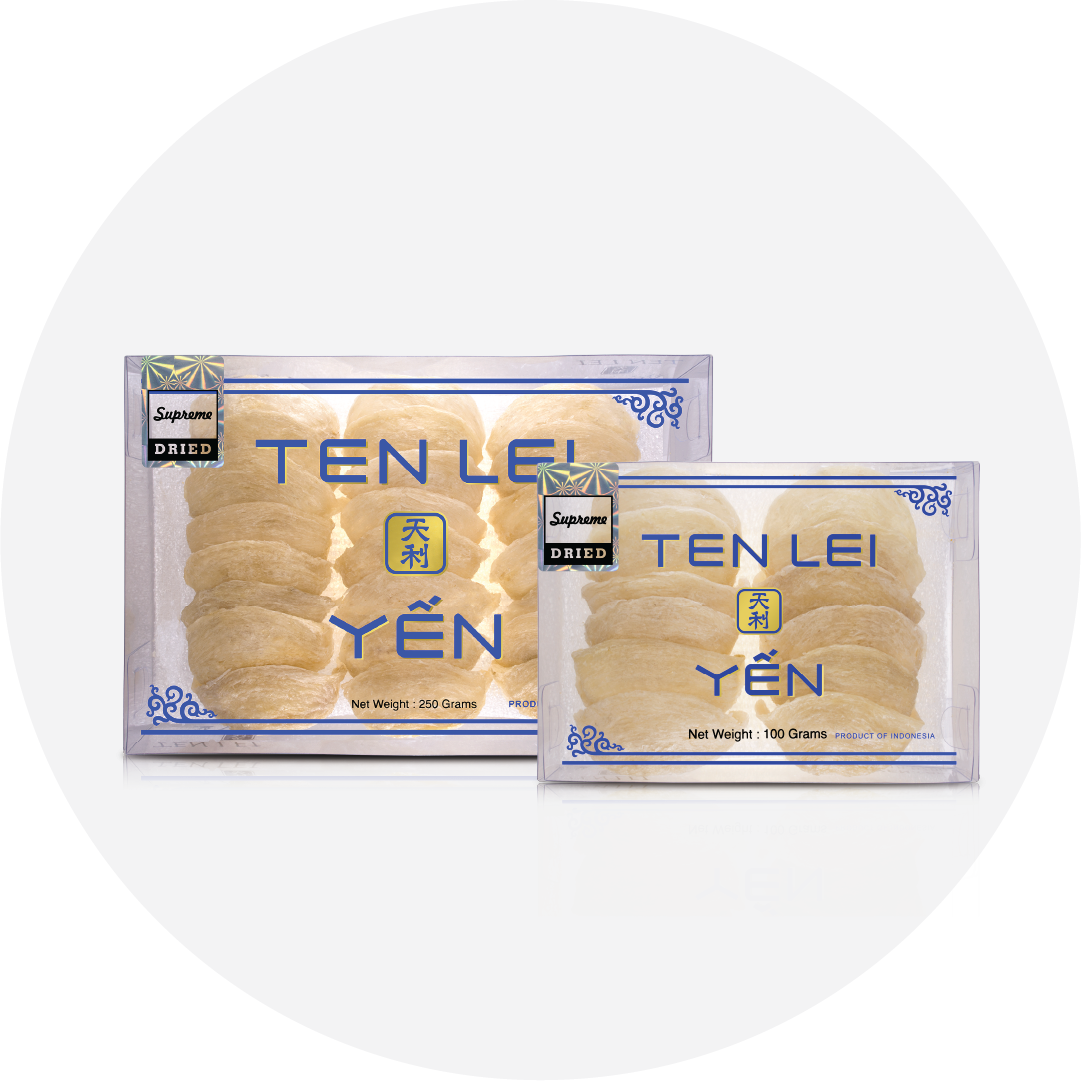
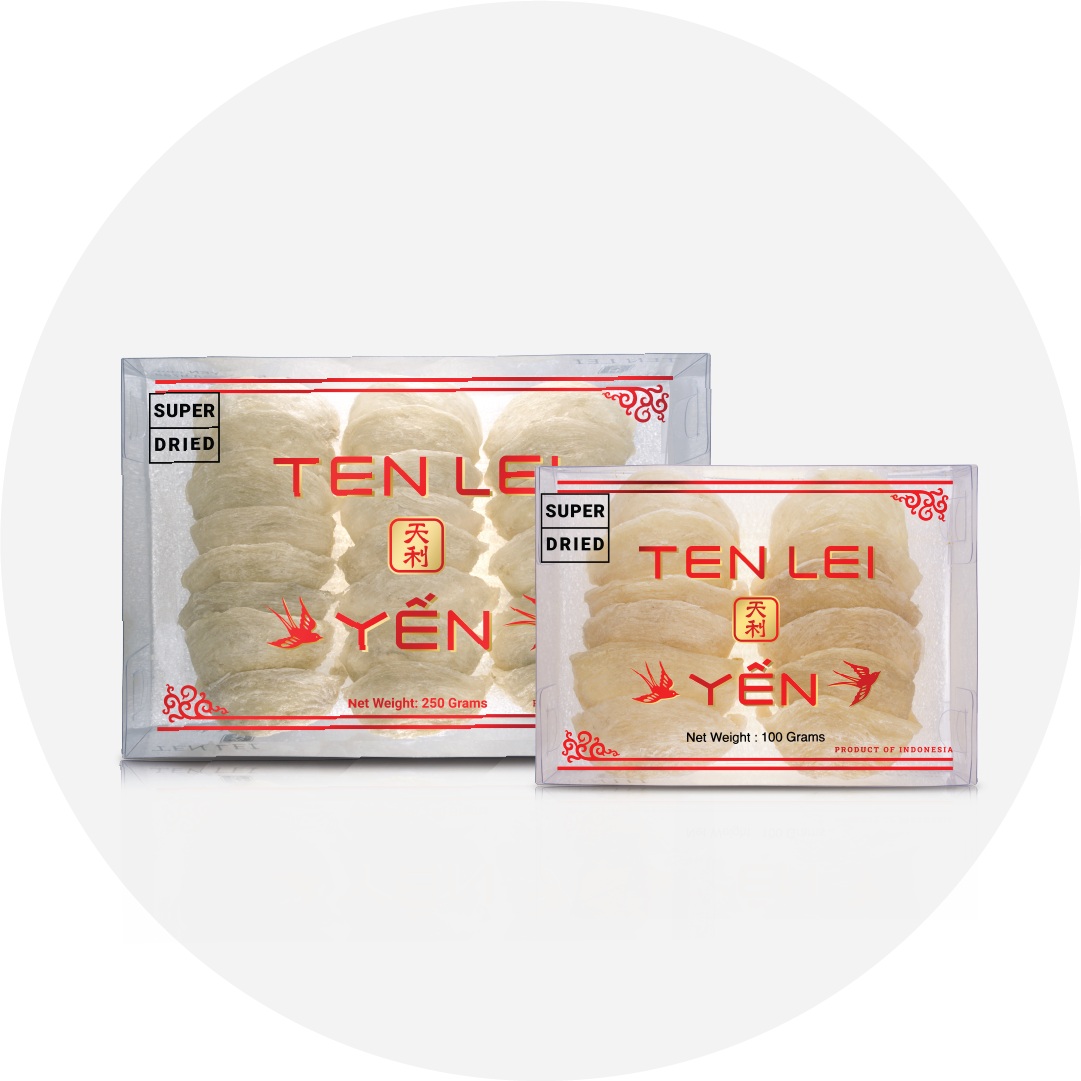
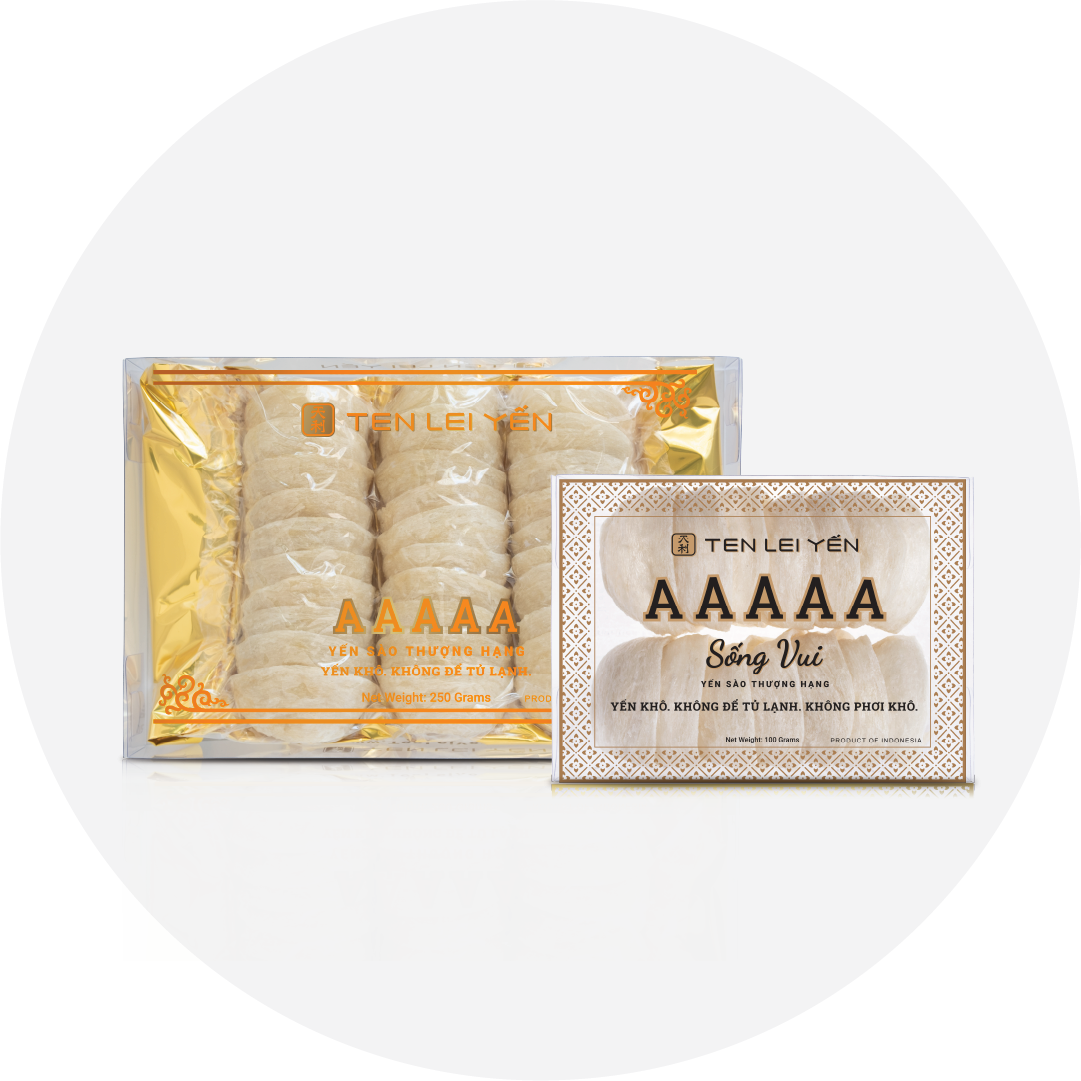
About Ten Lei Yen Edible Bird's Nest: Sourcing & Grades
A descriptive guide to Ten Lei Yen edible bird's nest: what it is, how it is sourced from Indonesia, how the nests are cleaned and graded into the Blue Label, Red Label, and 5A lineup, and how this delicacy is traditionally prepared and enjoyed.
Learn more
How Much Does Dried Bird's Nest Expand When Soaked?
Dried edible bird's nest expands to about six to eight times its dry weight when soaked. Here's how dry, soaked, and cooked weights compare — and what it means for value.
Learn more
Buying Bird's Nest Online? Here's What to Check First
Buying edible bird's nest online? Here's what to check first — origin, type, net dry weight, cleaning level, ingredients, price per gram, and seller transparency.
Learn more
Edible Bird's Nest and the Lungs: Tradition, Evidence & Honest Caveats
In Chinese food culture, edible bird's nest has long been associated with the lungs and enjoyed as a warm, soothing delicacy. Here's the cultural background, an honest look at what research does and doesn't show, and how it's traditionally prepared — general food information, not medical advice.
Learn more